

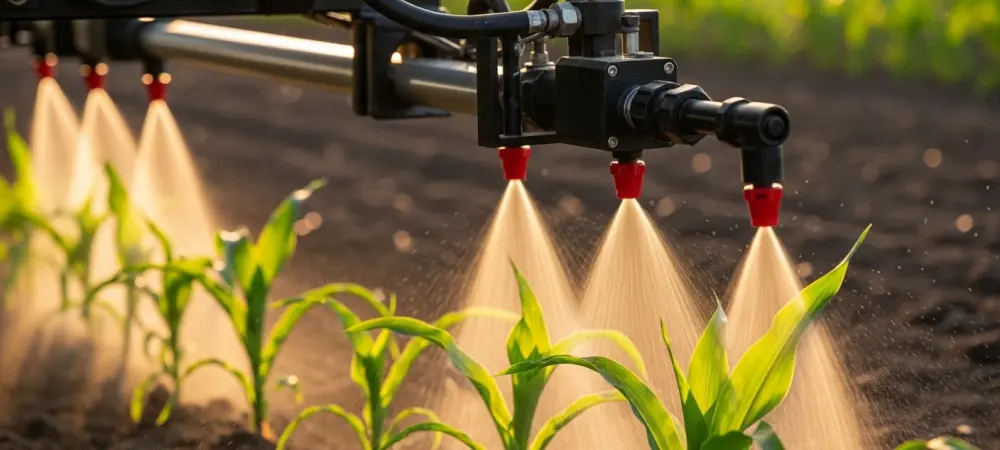
The agricultural landscape is currently witnessing a paradigm shift where the traditional reliance on manual labor and historical intuition is being replaced by high-precision autonomous systems and sophisticated artificial intelligence. While the dream of fully automated fields has existed for decades, the current year 2026 marks a definitive era where these technologies have matured into essential components of the commercial farming toolkit. In major agricultural hubs like Australia, the integration of real-time data analytics with robotics is no longer a futuristic novelty but a practical necessity for maintaining competitiveness in a volatile global market. This transformation is driven by a critical need to optimize resource allocation, reduce environmental impact, and manage the increasing complexity of large-scale operations. By synthesizing years of iterative research and field testing, the industry has established a robust framework for digital farming that leverages machine learning to interpret vast quantities of environmental data. The result is a more resilient agricultural sector that can adapt to rapid changes in weather and soil conditions with unprecedented speed.
Revolutionizing Nutrient Management through Data Integration
Precise nitrogen management remains one of the most significant challenges in modern crop production because an optimal decision depends on a fluid intersection of soil fertility, crop growth stages, and unpredictable weather patterns. Traditional methods, which often rely on a static application of fertilizer based on seasonal averages, frequently lead to significant inaccuracies that either waste expensive inputs or leave potential yield on the table. To solve this, autonomous systems now utilize a unified framework that synthesizes multiple data streams, such as high-resolution satellite biomass imagery, real-time soil moisture sensor readings, and localized weather forecasts. This holistic approach replaces isolated sensor data with an integrated intelligence layer that can analyze the complex relationship between nutrient availability and plant uptake. By automating the entire lifecycle of data acquisition and analysis, these systems provide a level of granularity that human agronomists simply cannot match through manual field scouting or historical record-keeping.
The practical application of this data-driven strategy has demonstrated remarkable results in optimizing fertilizer use and enhancing overall farm profitability. By identifying specific zones within a single paddock where yield potential is limited by factors other than nutrition, the system can automatically reduce nitrogen rates to prevent waste and runoff. Conversely, in areas where high biomass and favorable soil moisture indicate a high return on investment, the system increases the application to maximize the grain protein and final yield. This move away from general rules of thumb toward site-specific precision science grants growers a higher level of confidence in their seasonal investments. Beyond the immediate financial gains, this level of precision supports long-term soil health by preventing the over-saturation of chemicals, ensuring that every pound of nitrogen is placed where it can be most effectively utilized by the crop. This shift represents a fundamental change in how growers view their fields, moving from a uniform management style to an individualized treatment plan.
Bridging the Gap between Research and Commercial Application
A critical development in the path toward widespread autonomy is the implementation of structured on-farm experimentation, such as nitrogen-rich and nitrogen-zero strips. These test plots serve as live benchmarks that allow automated sensors and algorithms to be calibrated specifically to the unique micro-climates and soil compositions of an individual farm. By maintaining a strip of land with no added fertilizer next to a strip with excess nutrients, the AI can compare the crop’s physiological response against these two extremes in real time. This allows the system to detect early signs of nutrient stress before they are visible to the human eye, enabling corrective action while there is still time to save the yield. Integrating these trials into routine farm management transforms the paddock into a continuous learning laboratory, where the software becomes more accurate with every passing season. This iterative improvement cycle is essential for building the trust necessary for growers to step back from manual oversight.
As these technological solutions scale from small-scale trials to national implementation, the focus has shifted toward ensuring commercial viability and seamless connectivity across the agricultural supply chain. Modern systems now utilize cloud-based platforms to bridge the gap between complex data analysis and field machinery, allowing variable-rate prescriptions to be generated and transmitted directly to the tractor’s cab without manual file transfers. This level of integration ensures that the insights gained from satellite imagery and soil probes are immediately actionable in the field, reducing the time between data collection and physical application. Furthermore, the creation of robust national databases from these on-farm experiments allows for the validation of algorithms across diverse climatic zones and soil types. This collaborative data-sharing model ensures that the technology remains reliable regardless of the specific geographical challenges, paving the way for a more standardized approach to autonomous machinery that can operate effectively across vast and varied landscapes.
Navigating the Human Element and Strategic Implementation
While the technical architecture of autonomous farming is rapidly advancing, the ultimate success of these systems depends on addressing the human and economic factors of adoption. Research into the transition reveals that while many farm owners are enthusiastic about the efficiency gains, significant concerns persist regarding machine reliability, the availability of technical support in remote areas, and the security of sensitive operational data. Successful integration often depends on the presence of internal champions who possess both the technical literacy to manage AI systems and the leadership skills to guide the rest of the farm staff through a period of structural change. Lessons from other industries, such as autonomous mining and dairy automation, suggest that the hardware is only one part of the equation. The real challenge lies in upskilling the existing labor force and redefining roles so that human workers can focus on high-level strategy and maintenance rather than the repetitive manual tasks that machines can now handle more accurately.
To facilitate this complex transition, the industry has developed a suite of strategic digital tools that allow growers to simulate the financial and operational impact of automation before committing capital. These resources include calculators that compare the potential cost savings of precision spraying technologies versus conventional methods, as well as comprehensive whole-farm planners that model the performance of various machinery fleets. By inputting specific data regarding their land size, typical weed pressure, and existing equipment, farmers can create a tailored roadmap for adopting autonomous technology that aligns with their specific financial goals and risk tolerance. This analytical approach ensures that automation is not treated as a generic upgrade but as a customized solution designed to improve the long-term sustainability and profitability of each unique enterprise. By grounding technological adoption in financial reality and operational readiness, the agricultural sector is ensuring that the move toward autonomy is both stable and sustainable for the next generation of growers.
Advancing Operational Sustainability through Strategic Adaptation
The transition toward fully autonomous farming systems has moved beyond the experimental phase into a period of strategic refinement and practical execution. It is now evident that the most successful implementations are those that view technology as a partner to human expertise rather than a wholesale replacement. Moving forward, agricultural businesses should prioritize the establishment of reliable data infrastructure, including high-speed connectivity and secure cloud storage, to support the continuous flow of information required by modern machinery. Growers are encouraged to start with modular upgrades, such as automated sprayers or targeted nutrient application tools, to gain familiarity with AI-driven workflows before transitioning the entire fleet. By focusing on areas where precision can yield the highest immediate returns, farm managers can build the financial liquidity necessary for larger-scale investments in autonomous tractors and harvesters. This measured approach allows for the gradual upskilling of labor and the refinement of maintenance protocols, ensuring that the farm remains resilient during the transition period.
The future of the agricultural industry was shaped by the proactive steps taken to integrate these systems into the daily operational fabric of the farm. Those who successfully navigated the complexities of data management and machine learning found themselves better equipped to handle the rising costs of inputs and the increasing volatility of the global climate. By utilizing strategic planning tools to simulate different autonomous configurations, farm managers were able to minimize the risks associated with large capital outlays while maximizing the environmental benefits of precision application. This shift not only improved the bottom line for individual producers but also contributed to a more sustainable food production system that required fewer chemical inputs to achieve higher yields. As the industry continues to evolve, the focus will remain on refining these autonomous frameworks to ensure they remain accessible and effective for diverse farming operations. The successful deployment of these technologies proved that a data-centric approach, supported by a clear strategy for human-machine collaboration, was the definitive path toward long-term agricultural prosperity.