

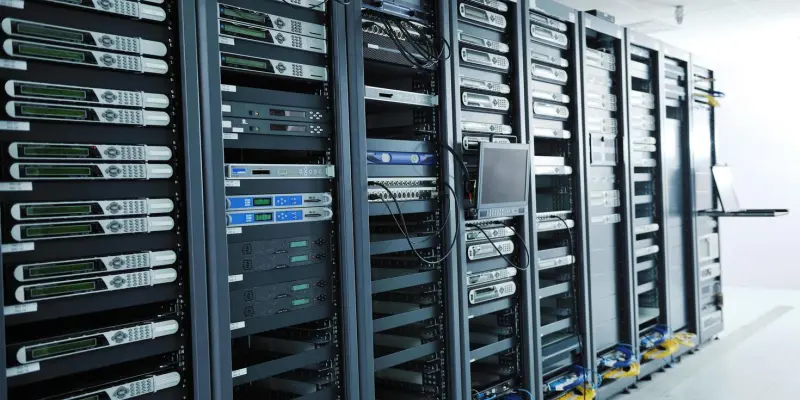
In a world increasingly reliant on data centers as the backbone of digital infrastructure, the introduction of tariffs by the Trump Administration has reverberated throughout this critical sector. Focused primarily on Chinese imports, these tariffs have introduced concerns about escalating costs and disruptions in the global supply chain, which is vital for data center construction and operation. As the industry grapples with these challenges, stakeholders are faced with both the immediate hurdles of increased operational expenses and the long-term implications for growth and innovation in an already dynamic market.
Impact on Operational Costs
Rising Expenses
The imposition of tariffs has sparked a significant increase in costs for essential components used in data centers, putting financial strain on development budgets. Structural steel, a fundamental component of data center construction, alongside other vital electronic parts, has seen price surges, compelling developers to reconsider budget allocations. This inflationary pressure is not just a temporary setback but poses a long-term challenge that may shape how new data centers are built, affecting both scope and scale. Amidst evolving geopolitical landscapes, stakeholders are forced to navigate an environment where securing affordable and reliable materials becomes a strategic endeavor, requiring innovative financial strategies and forecasting.
Furthermore, components crucial to maintaining and upgrading existing facilities, such as backup power systems and advanced computing hardware, are facing similar price volatility. This situation pressures operators to find solutions without compromising the operational integrity of facilities that demand consistent uptime and efficiency. As tariffs inject a degree of unpredictability into cost assessments, data center developers and operators must actively engage in renegotiating contracts and exploring supply alternatives to maintain competitiveness and profitability.
Cost Absorption and Transfers
As tariffs usher in higher costs, data center operators are strategically evaluating whether to absorb these financial pressures or transfer them to tenants through increased rents. In this complex calculus, operators must weigh competitive market dynamics against the necessity to maintain fiscal prudence; the decision impacts both short-term profitability and long-term tenant relationships. The ability to absorb costs depends heavily on factors such as geographical location, scale of operations, and the financial health of the operators themselves. For some operators, especially those with more favorable financial cushions, absorbing costs might be feasible, while others may find this path less viable. Against this backdrop, altering rent agreements emerges as a pragmatic approach for many. Operators with limited capacity to shoulder increased expenses are likely to opt for passing these costs onto tenants, leveraging the sustained demand for data services. However, this strategy demands careful consideration, since abrupt rent hikes risk driving existing clients away, potentially leading to vacancies that could exacerbate financial strain. Operators must therefore balance such decisions meticulously, striving to manage tenant expectations while safeguarding their economic interests.
Supply Chain and Project Disruptions
Fragmented Supply Chains
Tariffs have exacerbated complexities within global supply chains, leading to fragmentation as companies navigate divergent standards. This fragmentation disrupts the seamless integration essential for maintaining a competitive edge within the data center sector; disparate standards not only complicate procurement processes but also hinder technological compatibility and innovation. As international supply chains become fractured, data center operators face the arduous task of sourcing components that align with ever-shifting regulatory requirements, pushing them to innovate in their strategies and partnerships.
The potential impact on hardware compatibility further compounds these challenges, especially as the industry strives to incorporate cutting-edge technologies such as AI-specific chipsets. Compatibility issues, coupled with the need to adhere to evolving technical standards across different regions, present hurdles in harnessing emerging technologies that promise significant efficiency gains and transformative capabilities for data centers. This necessitates a strategic reevaluation of priorities, fostering adaptability and resourcefulness in an environment where technological innovation is a critical differentiator.
Project Hesitations
Cost volatility and shortages of essential components have led to uncertainty, raising apprehensions that may affect new data center projects. These supply chain disruptions trigger hesitations, as developers grapple with difficulties in securing infrastructure components within stipulated timelines, potentially delaying project completions. Contractors must account for unforeseen delays while ensuring that budget overruns do not compromise the financial viability of ambitious projects designed to support growing digital demand.
In the face of project delays, strategic planning and foresight become paramount. Developers are exploring adaptive strategies, emphasizing flexibility in project timelines and sourcing materials locally to mitigate risks associated with international supply chain hiccups. This approach can help secure project continuity and reduce vulnerability to global disruptions, yet requires a deft balance between urgency and strategic planning. The capacity to remain adaptable and innovative in sourcing crucial infrastructure elements is crucial as developers navigate an era marked by unpredictability.
Strategic Adaptations
Innovative Sourcing
Faced with disruptions and rising costs, data center operators are proactively adapting by exploring innovative sourcing strategies to keep operations afloat. This involves diversifying supply chains to minimize risks associated with overreliance on any single source or region, reducing vulnerability to tariff impacts. By expanding supplier networks and forming strategic alliances, operators can better secure necessary components in a market marked by uncertainty, allowing them to sustain seamless operations while mitigating financial pressures.
Operators are also gravitating towards alternative energy sources as part of this strategic adaptation. With energy costs constituting a significant portion of operational expenses, transitioning to renewable or locally sourced energy options can help optimize efficiency and enhance sustainability. For some, nuclear energy offers a compelling solution amidst rising power costs; tapping into this reduced-carbon alternative, operators can maintain their competitive edge while addressing environmental concerns. These adaptations underscore the importance of both innovation and resilience in confronting an evolving landscape impacted by tariff-induced disruptions.
Regionalization Trends
Amidst tariff pressures, a trend towards regionalizing data centers is beginning to gain traction, effectively forming “data fiefdoms.” This regionalization reflects an effort to circumvent the economic strains of tariffs and manage cross-border compliance challenges more effectively, while ensuring uninterrupted service delivery. A localized approach, which involves establishing data centers closer to end-users to minimize latency and enhance security, also offers an opportunity to optimize operational efficiency in response to fluctuating international trade dynamics. While regionalization can enhance logistical and operational efficiency, it also introduces new considerations—balancing benefits against the potential for increased fragmentation and compliance complexities remains key. By embracing regionalization, operators can achieve greater autonomy and cost control, while also positioning themselves favorably in the wake of growing demands for localized data solutions. This trend signals an evolution in strategic thinking, emphasizing regional proximity to clients as a means to optimize reliability and service quality amid an evolving digital landscape.
Long-term Prospects
Inelastic Demand
Despite the short-term disruptions introduced by tariffs, the demand for data center services remains inelastic, driven by a relentless pursuit of technological advancements. From AI to cloud computing, the demand continues to rise as businesses increasingly rely on data-driven insights and digital transformation to maintain their competitiveness. This ongoing need fuels the industry’s overall growth potential, indicative of a market landscape in which data centers are indispensable components of modern economies, facilitating innovation and technological evolution. The resilience of the data center sector is reflected in its ability to adapt despite price fluctuations and supply chain challenges. While operators may face hurdles such as increased project costs and logistical hurdles, the fundamental drivers of growth—persistent demand for digital solutions and infrastructure—remain undeterred. This unwavering demand underscores an inevitability in the sector’s expansion, positioning data centers as critical enablers of both current and future technological strides.
Resilience of Industry Titans
In today’s world, data centers are the backbone that supports our digital landscape, powering everything from cloud computing to online transactions. However, the Trump Administration’s tariffs, mainly targeting Chinese imports, have created significant ripples within this crucial sector. These tariffs have raised alarms about potential increases in costs and possible disruptions to the global supply chain, aspects essential to the construction and operation of data centers. The industry now finds itself navigating these obstacles, tackling both the immediate challenges of heightened operational expenses and the broader, long-term effects on growth and innovation. As stakeholders wrestle with these concerns, they are tasked with ensuring their operations remain smooth and sustainable in a market that is already dynamic and ever-evolving. The ongoing situation compels data centers to adopt strategies that mitigate the impact of tariffs, secure supply chain resilience, and maintain their pivotal role in digital transformation amidst geopolitical uncertainties.