

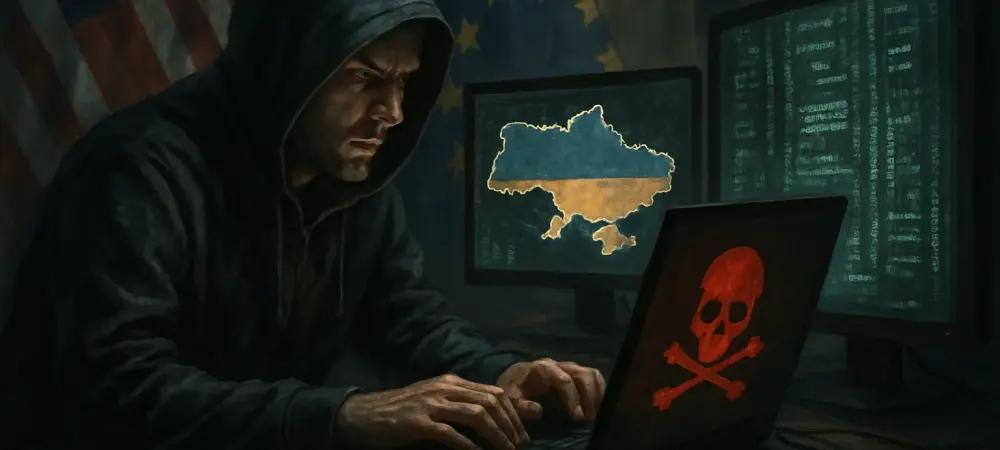
Unveiling the Cyber Battlefield
Imagine a war where the frontlines aren’t marked by trenches or barbed wire, but by invisible digital breaches that can cripple entire industries in moments. This is the reality of cyber warfare tied to the Ukraine conflict, a shadowy battlefield where Russia-aligned hackers relentlessly target allies of Ukraine. The stakes are higher than ever, as these attacks ripple through critical sectors across the globe, from civil engineering to healthcare, exposing vulnerabilities in modern geopolitical alliances.
This digital conflict has evolved into a cornerstone of asymmetric warfare, where state-sponsored actors often blur the lines between cybercrime and geopolitical agendas. Groups like RomCom and Fancy Bear, frequently linked to Russia’s GRU unit 29155, wield sophisticated tools such as SocGholish malware to exploit unsuspecting targets. Their reach is vast, striking at logistics firms, medical providers, and infrastructure entities, all to undermine support for Ukraine. The urgency to understand this threat landscape cannot be overstated, as it shapes the security of nations and industries alike.
Patterns and Tactics of Cyber Assaults
Emerging Trends in Cyber Warfare Tactics
As the conflict in Ukraine persists, a clear pattern emerges: Russia-aligned hackers are sharpening their focus on Western entities backing Ukraine’s cause. These groups deploy advanced techniques, such as zero-day exploits targeting software vulnerabilities, alongside deceptive ploys like fake browser updates powered by SocGholish malware. Such tactics reveal a chilling adaptability, turning everyday digital interactions into potential gateways for espionage or disruption.
Moreover, the repurposing of criminal tools for geopolitical ends adds a layer of complexity to these threats. What was once malware for financial gain now serves as a weapon of statecraft, with hackers diversifying their targets to include not just governments but also private firms in critical sectors. This strategic shift underscores an alarming sophistication, where attacks are tailored to maximize chaos across varied industries, keeping defenders on edge.
Attack Data and Threat Projections
Delving into specifics, a notable incident involved RomCom targeting a U.S. civil engineering firm earlier this year with SocGholish malware, marking a significant escalation in their playbook. This firm, tied to a city supporting Ukraine, fell into the crosshairs of a campaign designed to disrupt aid efforts. Historical patterns echo this intent, with a 2023 breach of a U.S. healthcare company aiding Ukrainian refugees highlighting the persistent threat to humanitarian sectors.
Looking ahead, warnings from U.S. and allied authorities point to groups like Fancy Bear intensifying their focus on logistics and other support networks for Ukraine. The frequency of these incidents suggests a trajectory of growing audacity and complexity, with projections indicating broader target scopes over the next few years, from 2025 to 2027. This evolving landscape demands vigilance, as the fusion of criminal and geopolitical motives promises ever-more intricate cyberattacks.
Navigating the Challenges of Defense
The fight against Russia-aligned cyber threats is fraught with hurdles, starting with the murky task of attributing attacks to specific actors. The rapid evolution of tools like SocGholish complicates defensive measures, as does the sheer diversity of targeted sectors, each with unique vulnerabilities. A recent success in blocking an attack on a U.S. firm this year offers hope, yet it also reveals the relentless pace at which threats adapt.
Technological barriers compound the issue, with zero-day vulnerabilities often outpacing the ability to patch systems swiftly. Real-time threat intelligence emerges as a critical lifeline, enabling preemptive action against sophisticated incursions. Yet, the resource demands of such vigilance strain both private and public entities, highlighting a pressing need for innovative solutions to stay ahead of malicious actors.
Turning to resilience, collaboration between government agencies and private firms offers a pathway forward. Sharing insights on attack patterns and deploying advanced defensive tools can bolster security across industries. This cooperative spirit, if nurtured, could transform the scattered efforts of today into a unified front against the digital onslaught tied to geopolitical strife.
The Regulatory and Security Framework
Navigating the regulatory terrain of cyber warfare reveals a patchwork of international and national policies aimed at safeguarding critical infrastructure. Cooperation among nations strives to set standards for response and prevention, yet the pace of policy often lags behind the speed of digital threats. Aligning security frameworks with these evolving dangers remains a priority for global leaders.
Compliance with emerging standards plays a vital role, especially as public-private partnerships gain traction in disseminating threat intelligence. Alerts about groups like Fancy Bear demonstrate the value of shared knowledge, empowering organizations to fortify their defenses. However, geopolitical tensions, including U.S.-Russia frictions and diplomatic maneuvers like negotiation pushes by the current administration, continually reshape the context in which these policies operate.
Future Horizons of Cyber Conflict
Peering into the next phase of this digital war, the integration of technologies like artificial intelligence into attack strategies looms large. Russia-aligned groups are likely to harness such innovations to amplify the precision and impact of their campaigns, potentially spawning new malware variants. Non-traditional sectors, previously untouched, may also find themselves in the line of fire as hackers widen their net.
Global economic and political shifts further complicate the forecast, acting as potential catalysts for escalated cyber aggression. Countering these disruptors will hinge on pioneering cybersecurity measures and fostering greater awareness among corporations and consumers alike. International alliances, if strengthened, could serve as a bulwark, shaping a future where digital resilience matches the audacity of the threats.
Cyber Warfare and Geopolitics: A Strategic Outlook
Reflecting on the intricate dance between cyber warfare and geopolitics, the persistent menace of Russia-aligned hackers like RomCom and Fancy Bear had carved a daunting path through the digital defenses of Ukraine’s allies. Each thwarted attack, such as the one against a U.S. firm earlier this year, stood as a testament to growing defensive prowess, yet the shadow of escalating sophistication lingered over every victory.
Moving forward, the imperative was clear: nations and industries had to channel resources into robust cybersecurity infrastructure, prioritizing proactive threat hunting to anticipate rather than react. Strengthening international cooperation could have turned fragmented efforts into a cohesive shield, while investing in cutting-edge tools promised to outpace the innovations of adversaries. These steps, if taken boldly, held the potential to redefine the balance of power in this unseen but pivotal arena of modern conflict.