

In an era where technology continues to redefine customer experiences, luxury brands are increasingly turning to artificial intelligence (AI) to elevate their offerings, ensuring they stay ahead in a competitive market. These high-end brands strive not only to meet but also to anticipate the demands of their discerning clientele. By leveraging AI for enhanced personalization, customized fashion solutions, virtual shopping advancements, superior customer service, and sustainable supply chain management, luxury brands are crafting more immersive and tailored experiences for their customers. This shift to AI-driven solutions is not just a trend but a transformation that indicates a comprehensive evolution in the luxury sector, with brands like Louis Vuitton, Gucci, and Prada leading the charge. The integration of AI in these industries marks a pivotal change in how luxury products are conceived, marketed, and delivered to consumers worldwide, ensuring that the expectations of the modern consumer are not only met but exceeded.
AI-Driven Personalization in Luxury Retail
Artificial intelligence has profoundly impacted the ability of luxury brands to offer unparalleled personalization, crucial in catering to the demands of high-end customers. By analyzing large datasets that encompass shopping behaviors, social media activity, and purchase history, AI algorithms provide significant insights into consumer preferences. A notable example is the use of AI-driven chatbots by Louis Vuitton and Gucci, creating customized fashion recommendations that resonate deeply with individual customer preferences. These AI systems are adept at recognizing and adapting to trends and patterns in user data, thereby offering suggestions that align with specific tastes and styles. This heightened level of personalization not only fosters a more intimate connection between the brands and their customers but also drives customer satisfaction and loyalty.
Furthermore, AI-powered tools enable these brands to predict future trends and customer desires with remarkable accuracy. By implementing machine learning algorithms that continuously learn and evolve from data, luxury brands can forecast fashion trends and consumer behaviors, helping them stay ahead of the curve. Prada and Burberry, for instance, are utilizing AI to analyze real-time data from various sources, including social media and fashion shows, to inform their design processes and product development. This ensures that their collections are always in sync with the latest trends and preferences, offering customers products that feel both innovative and attuned to their evolving tastes.
Smart Fashion Customization and Product Development
AI’s impact on luxury fashion extends beyond personalization—reaching into the realms of smart customization and product development. Brands like Nike are leveraging AI for their “Nike By You” initiative, which allows customers to design their bespoke sneakers. This initiative harnesses AI to ensure that every customization aligns perfectly with the client’s preferences, making each piece truly unique. This AI-driven customization does not only apply to aesthetic aspects but also to functional elements, allowing for a seamless blending of style and utility. The AI evaluates prior designs, current trends, and user feedback to propose design elements that resonate with the individual’s taste, providing customers with a tailor-made product experience.
Additionally, product development within luxury brands has been significantly enhanced through AI. By using AI to conduct trend analysis and forecast future fashion movements, brands are crafting collections that resonate on a deeper level with their audience. Prada, for example, uses AI to sift through vast amounts of fashion data, predicting what will appeal to their clientele in upcoming seasons. This data-driven design approach ensures that every piece is both innovative and in line with current and future trends, making them desirable for a sophisticated consumer base. AI’s ability to analyze consumer data comprehensively allows brands to craft products that are not merely congruent with individual tastes but also sculpt new trends in the luxury market.
Virtual Shopping and Enhanced Customer Experience
Virtual shopping experiences have revolutionized how consumers interact with luxury brands, thanks to the integration of artificial intelligence. Augmented reality (AR) tools, driven by AI, allow customers to visualize products before purchasing, significantly enhancing the online shopping experience. Brands like Chanel and Dior have implemented AI-driven virtual makeup tests that let customers try on various products virtually, making the experience both interactive and realistic. These technologies transcend traditional shopping methods, offering a visual and interactive experience that closely mimics in-store purchases, thereby increasing consumer confidence and satisfaction in their online buys.
Moreover, the use of AI and AR is not confined to makeup alone. Jewelry retailers like Cartier have adopted similar technologies, enabling customers to visualize pieces such as necklaces and rings on their bodies without setting foot in a store. This interactive shopping experience caters to modern consumers who value convenience without compromising the uniqueness of the luxury shopping experience. The adaptability and precision of AI have also facilitated substantial improvements in virtual fitting rooms, providing a bespoke shopping experience that feels personal and exclusive. This marks a significant advancement in how luxury brands cater to the digital preferences of their customers, blending technology with tradition.
Revolutionizing Customer Service with AI
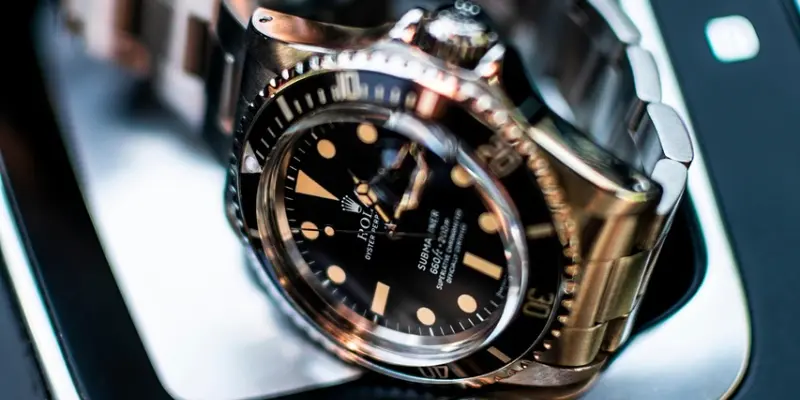
AI isn’t only transforming the purchase and design aspects of luxury retail, but it’s also a game-changer for customer service. Virtual assistants and chatbots have become fundamental in delivering superior customer service around the clock. High-end brands, including Rolex and Hermès, utilize AI chatbots to provide comprehensive support, answering queries about product availability, offering styling advice, and managing appointments. This ensures that customers receive immediate assistance regardless of time zones, enhancing overall service efficiency and satisfaction. These AI tools also learn from every interaction, continuously improving their responses and becoming more adept at handling complex customer inquiries over time.
The integration of AI into customer service extends beyond chatbots. Predictive analytics powered by AI can anticipate customer needs before they even arise, offering solutions preemptively. This proactive approach to customer service ensures a seamless and luxurious experience for the consumer. Rolex’s customer service, for instance, uses predictive AI to track service requests, schedule maintenance, and provide bespoke care instructions, thereby elevating the brand experience. AI-driven data insights equip customer service teams with the knowledge and foresight needed to maintain an exceptional level of care and attention, crucial in sustaining the brand’s luxury status.
AI and Sustainable Supply Chain Management
Sustainability in luxury fashion has garnered attention, and AI plays a pivotal role in making supply chains more efficient and eco-friendly. High-end brands are adopting AI to manage inventory, forecast demand, and reduce waste, aligning with sustainable practices. Stella McCartney, renowned for her commitment to ethical fashion, employs AI to track the origins and sustainability of materials used in production. This ensures that every product adheres to stringent environmental standards, fostering trust and transparency with consumers. By leveraging AI, brands can optimize resource usage, minimize overproduction, and significantly reduce their carbon footprint, presenting a forward-thinking approach to luxury.
Furthermore, AI-driven supply chain management allows for real-time tracking and improved logistical efficiency. LVMH, for example, utilizes AI to monitor their supply chain meticulously, aiming to reduce emissions and enhance ethical production practices. AI systems provide thorough insights into each stage of the supply chain, illuminating areas for improvement and enabling swift, informed decisions. This not only bolsters efficiency but also aligns with the growing consumer demand for transparency and sustainability in fashion. The evolution of supply chain management through AI signifies a merging of luxury with responsibility, appealing to the modern, eco-conscious consumer.
Future of Luxury with AI Integration
In today’s rapidly evolving technological landscape, luxury brands are increasingly turning to artificial intelligence (AI) to revolutionize their offerings and maintain a competitive edge. These premier brands aim not only to meet but to foresee the desires of their sophisticated clientele. Utilizing AI for advanced personalization, bespoke fashion solutions, virtual shopping innovations, enhanced customer service, and sustainable supply chain management, luxury labels are creating more immersive and tailored experiences. This shift to AI-driven solutions signifies not a mere trend but a fundamental transformation in the luxury sector. Iconic names like Louis Vuitton, Gucci, and Prada are at the forefront, leading this charge. The integration of AI in these industries marks a significant evolution in how luxury products are envisioned, marketed, and delivered to a global consumer base. Such advancements ensure that the expectations of the contemporary consumer are not just met but surpassed, setting a new standard in the luxury market.