

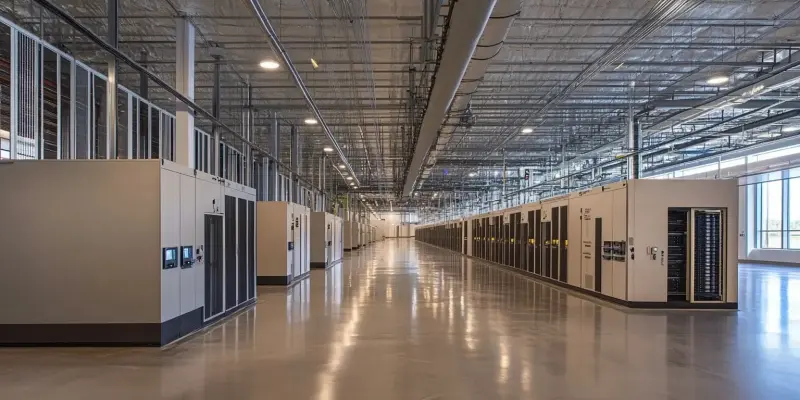
The rise of data centers has brought significant changes to the communities in which they are established. From economic proliferation to green energy advancements, these massive facilities are increasingly present outside major urban areas, driving growth in ways previously unimagined. Data centers are not just facilitating the digital era; they are also playing a pivotal role in transforming local economies and enhancing the overall quality of life in the regions they inhabit. This transformation, characterized by job creation, infrastructure improvements, and sustainable practices, underscores the multifaceted benefits that these technological hubs bring to local communities.
Economic and Community Impact
Communities have observed a noticeable economic uplift following the establishment of data centers. Local businesses, including retail stores and service providers, are often attracted to these areas, enhancing economic growth and community vibrancy. As more data centers are built, they tend to draw in ancillary businesses that provide additional support services, creating a robust local business ecosystem. This influx of supporting industries amplifies the initial economic benefits brought about by the data centers themselves.
Job creation is another substantial benefit. Data centers have spurred employment in regions like Texas and Virginia, not only hiring local talent but also offering retraining programs for skilled workers, including military veterans. In Texas, data centers have contributed to a surge in employment opportunities, attracting skilled workers and new talent from various fields. The ripple effect of ancillary businesses clustering around data centers further amplifies this job creation, bringing in additional opportunities for growth and development in these regions.
Furthermore, secondary markets are experiencing significant economic impacts due to the establishment of data centers. These facilities promote the development of industries and services that cater specifically to data center operations, such as IT hardware providers, cybersecurity firms, and management consulting companies. The concentration of these businesses around data centers fosters economic diversification, enhancing the resilience of local economies. This clustering effect not only boosts local economies but also creates a sustainable growth model for communities, ensuring long-term economic stability and prosperity.
Transition to Green Power
The data center industry is also a champion of sustainability, heavily investing in green energy solutions. Leading companies such as Amazon, Google, and Microsoft are committing to renewable energy sources like wind, solar, and nuclear power to achieve carbon neutrality. These initiatives demonstrate the industry’s dedication to reducing its environmental footprint and promoting sustainable practices. By leveraging renewable energy, data centers are significantly lowering their carbon emissions, contributing to global efforts to combat climate change.
Innovative cooling systems and zero-carbon renewable energy initiatives underscore the industry’s commitment to reducing its environmental footprint. Data centers are increasingly adopting closed-loop cooling systems that minimize water usage and reduce waste. These advanced cooling technologies not only enhance energy efficiency but also help to conserve valuable water resources, making data centers more environmentally friendly. These efforts are making energy both cheaper and greener for local communities, reflecting a forward-thinking approach to sustainability.
In addition to their environmental benefits, the industry’s investment in green energy has positive economic implications for local communities. By fostering the development of renewable energy infrastructure, data centers are helping to create new job opportunities in the green energy sector. These investments are also driving down the cost of renewable energy, making it more accessible to local businesses and residents. This transition to greener, more affordable energy sources aligns with broader societal goals of sustainability and economic growth, benefiting both the environment and local economies.
Infrastructure and Public Services
The construction of data centers often brings significant enhancements to local infrastructure. Developments such as improved roads, broadband capabilities, and power transmission systems result in an elevated quality of life for residents. As data centers require robust infrastructure to operate efficiently, their presence often necessitates upgrades to local utilities and public services. These enhancements not only support data center operations but also provide lasting benefits to the broader community.
Local governments reap considerable tax revenue benefits from data centers, which contribute to better public services without heavily increasing the demand for them. In states like Virginia, data centers have contributed millions of dollars in state and municipal taxes. This influx of tax revenue enables local governments to fund public services such as education, healthcare, and public safety, improving the overall quality of life for residents. This mutually beneficial relationship between data centers and local governments further fortifies local economies, ensuring long-term fiscal stability.
Additionally, the presence of data centers can lead to the revitalization of underutilized or neglected areas. Redeveloping brownfields into new campuses, data centers contribute to revitalizing long-dormant districts. By transforming these areas into thriving economic hubs, data centers help to rejuvenate local communities, sparking further development and investment. This transformation not only enhances the physical landscape but also fosters a sense of community pride and optimism, driving further economic and social progress.
Educational and Social Contributions
The data center industry is proactive in fostering education and community development. Partnerships with educational institutions, such as Southern Methodist University, facilitate specialized degrees in data center systems engineering, cultivating a skilled workforce. These educational programs equip students with the technical skills and knowledge needed to support the growing data center industry, ensuring a steady supply of qualified professionals. By investing in education, data centers are helping to bridge the skills gap, preparing the next generation of workers for careers in this dynamic field.
Philanthropic initiatives by data centers also leave a positive mark on communities. Efforts such as reforestation projects, educational support, and assistance for families in need highlight the industry’s substantial social contributions. Many data centers partner with local non-profits to address various community needs, from environmental conservation to social welfare programs. These philanthropic efforts reflect the industry’s commitment to being good neighbors and making a positive impact on the communities they inhabit.
Moreover, data centers often engage in community outreach programs, fostering stronger relationships with local residents. They organize events and workshops to educate the public about their operations and the benefits they bring to the community. By promoting transparency and open communication, data centers build trust and goodwill with local stakeholders. This community engagement not only enhances the industry’s reputation but also ensures ongoing community support for data center initiatives.
Industry Growth and Future Trends
The rise of data centers has significantly impacted the communities where they are established. These massive facilities, increasingly found outside major cities, drive growth in unprecedented ways, from economic expansion to advancements in green energy. Data centers are not only enabling the digital era but are also crucial in transforming local economies and improving the quality of life in the areas they occupy. This transformation includes job creation, better infrastructure, and sustainable practices, highlighting the numerous benefits these technological hubs bring to local communities. As data centers proliferate, they are reshaping economic landscapes, fostering innovation, and promoting environmental sustainability. Beyond their primary function of data storage and processing, they play a strategic role in local development. By creating job opportunities, enhancing transportation networks, and investing in renewable energy sources, data centers contribute to a more dynamic and economically robust environment, underscoring their importance in modern community growth and development.