

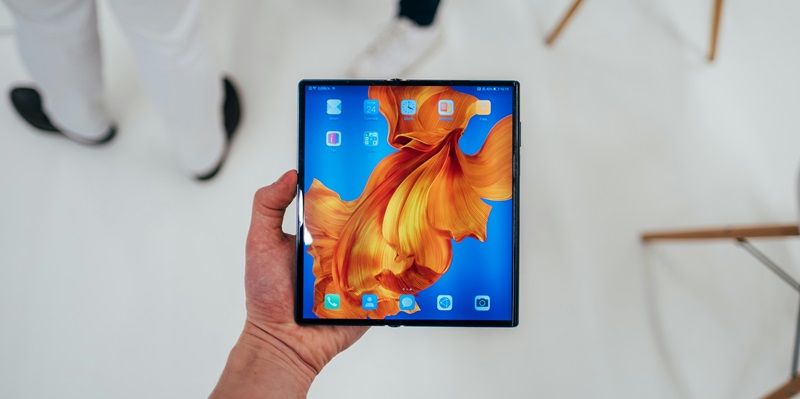
In an industry where advancements in technology often come with a hefty price tag, Honor’s upcoming foldable smartphone model, rumoured to be named the Magic Vs3, aims to challenge this convention by offering a more budget-friendly alternative to its flagship counterpart, the Magic V3. This anticipated device has surfaced through the Geekbench database, which lists it under the model name “Honor FLC-AN00,” revealing some key specifications that distinguish it from its higher-end sibling. While the Magic V3 is renowned for its cutting-edge Snapdragon 8 Gen 2 SoC, the Vs3 will likely utilize the last-generation Snapdragon 8+ Gen 1 processor, a strategic move to balance performance and cost.
Despite the previous-generation chipset, the Magic Vs3 promises not to compromise on essential high-end features. Geekbench scores indicate that the device delivers respectable performance levels, achieving a single-core score of over 2,000 and a multi-core score just shy of 5,700. The Vs3 is also expected to be generously equipped with 12GB of RAM, ensuring smooth multi-tasking and robust performance for a variety of applications. Moreover, it will run on the latest Android 14, aligning with contemporary software standards and enhancing the overall user experience.
Key Specifications and Performance
The focus on providing high-caliber features extends to camera technology and storage options, crucial elements for modern smartphones. The Magic Vs3 is expected to sport a sophisticated periscope zoom rear camera, a feature commonly found in premium models. This enhancement underscores Honor’s commitment to offering advanced photographic capabilities at a reduced cost. Additionally, potential storage configurations may include options up to an impressive 1TB, catering to users’ increasing demands for ample and secure data storage. This combination of features promises a high-end experience that doesn’t necessitate breaking the bank.
The implementation of a high-end periscope zoom camera in a more affordable foldable smartphone is illustrative of Honor’s strategy to blend premium characteristics with cost efficiency. Furthermore, offering up to 1TB of internal storage ensures that users have the flexibility and capacity to store large volumes of data, multimedia files, and applications without compromise. This focus on storage and camera technology bolsters the Magic Vs3’s appeal, making it an attractive option for tech enthusiasts and everyday users alike.
Market Strategy and Competitive Landscape
Honor’s strategic pivot towards providing flagship-like features at a more accessible price point is not just about attracting cost-conscious consumers. It is also a calculated move to expand its market share in the competitive foldable smartphone sector. By equipping the Magic Vs3 with last-gen but still highly capable hardware, the company aims to leverage existing technology to reduce costs without significantly sacrificing performance. This approach provides a viable pathway for customers who are keen to experience the benefits of foldable technology without the premium pricing typically associated with this segment.
The anticipated launch of the Magic Vs3, alongside another foldable model on July 12, 2024, signifies Honor’s commitment to innovation and competitive market dynamics. This dual-launch strategy not only highlights their capability to produce diverse offerings but also positions them to counter rival brands gearing up with their flagship foldable releases. As more manufacturers enter the foldable smartphone market, the emphasis on balancing cutting-edge features with affordability is likely to become a hallmark of festive competition.
Broader Implications for the Tech Industry
In an industry where technological advancements often come with steep prices, Honor’s upcoming foldable smartphone, speculated to be called the Magic Vs3, seeks to defy this norm by offering a more affordable alternative to its premium sibling, the Magic V3. This highly anticipated device has appeared in the Geekbench database under the model name “Honor FLC-AN00,” revealing key specifications that set it apart. While the Magic V3 boasts the state-of-the-art Snapdragon 8 Gen 2 SoC, the Vs3 is expected to feature the previous-generation Snapdragon 8+ Gen 1 processor. This strategic decision aims to balance performance with cost efficiency.
Despite using an older chipset, the Magic Vs3 is poised to deliver essential high-end features. Geekbench scores reveal that the device achieves a respectable single-core score of over 2,000 and a multi-core score nearing 5,700. The Vs3 is also likely to come equipped with 12GB of RAM, offering smooth multitasking and robust performance across various applications. Furthermore, it will run on the latest Android 14, aligning with contemporary software standards and enhancing the overall user experience.