

The transition from experimental hardware to sophisticated lifestyle accessories has reached a critical boiling point as major manufacturers redefine the boundaries of mobile engineering. The post-Lunar New Year landscape in China has ignited a fierce technological arms race, signaling a pivotal moment for the smartphone industry. As the current product cycle gains momentum, the transition from niche hardware to mainstream flagship status is no longer a distant goal but a tangible reality. This exploration dives into how Honor and Oppo are spearheading a new era of mobile innovation, moving beyond raw performance to redefine the sensory and aesthetic expectations of global consumers ahead of the Mobile World Congress. Industry analysts suggest that the market has moved past the era of novelty, focusing instead on long-term reliability and luxury branding. This shift represents a broader maturation where the foldable form factor is no longer viewed as a fragile prototype. Instead, the focus has shifted to how these devices integrate into the daily lives of high-end users who demand both peak productivity and unmistakable style.
The 2026 Foldable Renaissance: Shifting from Experimental Tech to Mature Luxury
The current technological climate reflects a significant departure from the utilitarian designs of previous years. Leading tech commentators observe that the focus has pivoted toward creating a sense of “quiet luxury,” where the complexity of the hinge is hidden behind elegant finishes and premium materials. This evolution is particularly evident in the way brands are marketing their latest releases, emphasizing craftsmanship over simple spec sheets to appeal to a more discerning global audience.
Moreover, the competition has moved beyond the borders of Asia, with manufacturers preparing for a massive push into European and North American markets. Some experts believe that the success of this generation will depend on the ability of brands to offer a seamless software experience that matches the physical refinement of the hardware. The goal is to provide a device that feels as natural to use as a traditional slab phone while offering the unique benefits of a larger, flexible display.
Engineering the Future of Flexible Displays and Premium Form Factors
The Honor Magic V6: Merging Material Science with High-Fashion Aesthetics
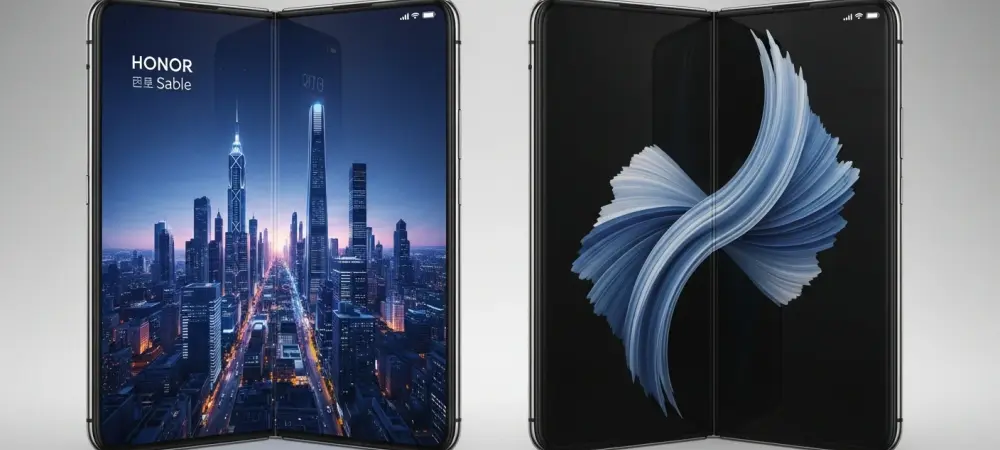
The Honor Magic V6 distinguishes itself not just through internal power, but through a radical approach to tactile design. By utilizing a “super nano coating” in its signature “Red Rabbit” colorway, Honor aims to replicate the sophisticated feel of French velvet, bridging the gap between luxury goods and consumer electronics. This integration of the Snapdragon 8 Elite Gen 5 chipset and golden hardware accents positions the device as a high-status fashion statement rather than a mere utility tool.
Reviewers often highlight that the texture of a device can influence consumer perception as much as its processing speed. By prioritizing the “Red Rabbit” aesthetic, Honor addresses a growing demand for personalization in the premium segment. This focus on material science ensures that the device remains resistant to fingerprints and wear while maintaining a soft, high-end touch that stands out in a market dominated by glass and metal.
Oppo Find N6 and the Strategic Consolidation of Global Markets
With the rumored cancellation of the OnePlus Open 2, the Oppo Find N6 has emerged as a critical piece of the brand’s international distribution puzzle. This strategic shift suggests a unified brand identity for European and Asian markets, focusing on a streamlined product lineup that emphasizes engineering refinement. Industry insiders suggest that this consolidation allows Oppo to pool its resources, ensuring that the Find N6 receives the most advanced software optimizations and hardware updates available.
Weighed against its predecessors, the Find N6 leverages a modified Snapdragon 8 Elite Gen 5 architecture to optimize efficiency and longevity. This technical adjustment is designed to provide sustained performance during heavy multitasking, which is a primary use case for foldable users. By focusing on a single, powerful flagship, Oppo aims to establish a more recognizable presence on the global stage, challenging established leaders in the premium foldable category.
Eradicating the Crease: The New Benchmark for Visual Integrity
A central theme for the current year is the relentless pursuit of a perfectly flat display, a challenge that has haunted the foldable category since its inception. The Oppo Find N6 leads this charge with advanced hinge mechanics and specialized substrate materials designed to minimize display deformation. This technical evolution is contrasted against the developmental trajectories of competitors like the Samsung Galaxy Z Fold 8 and looming threats from Apple, highlighting how screen durability has become the primary battlefield for consumer trust.
Material engineers have noted that the key to a creaseless experience lies in the elasticity of the protective layers and the precision of the folding radius. By refining these elements, manufacturers are finally delivering on the promise of an uninterrupted visual canvas. As these technologies become more standardized, the expectation for a smooth, glass-like surface on a flexible screen has become the new industry benchmark for any device claiming flagship status.
The Tactile Revolution: Why “Hand-Feel” Is the New Performance Metric
As internal specifications reach a point of diminishing returns, the industry is pivoting toward the physical experience of holding and folding a device. The industry-wide move toward “material science” indicates that the texture, weight distribution, and hinge resistance are now as vital as peak processing speeds. The “French velvet” sensation of the Magic V6 and the ultra-slim profiles of the latest generation are disrupting the traditional focus on benchmarks, favoring a more holistic, sensory-driven user experience.
Ergonomics play a vital role in this transition, as a device that feels top-heavy or awkward to unfold will struggle to gain mainstream traction. Designers are now meticulously balancing the weight of internal components to ensure that the device feels secure in one hand, whether it is open or closed. This attention to detail signals a shift in engineering priorities, where the human element is given equal weight to the silicon powering the device.
Navigating the 2026 Foldable Market: Key Insights for Early Adopters
The current surge in innovation offers clear indicators for those looking to invest in high-end mobile technology. Consumers should prioritize devices that demonstrate advancements in material durability and hinge seamlessness rather than just incremental processor updates. While raw speed is important, the longevity of the folding mechanism and the quality of the display substrate will ultimately determine the value of the investment over the coming years.
Evaluating the long-term support and international availability of brands like Oppo will be essential as distribution strategies shift. Prospective buyers are encouraged to look for comprehensive warranty programs that specifically cover the flexible display, as this remains the most sensitive component of the hardware. As the market continues to mature, those who focus on the structural integrity and software ecosystem of a device will likely find the greatest satisfaction in their purchase.
Defining the New Standard for the Modern Smartphone Era
The simultaneous launch of these flagships marked a watershed moment where foldables finally shed their reputation as experimental prototypes. By prioritizing sophisticated materials and solving persistent hardware flaws like screen creasing, manufacturers established a high bar for the rest of the industry. These advancements suggested that the future of mobile design would be defined by a marriage of extreme durability and high-fashion aesthetics, ensuring that the devices remained relevant in both professional and social spheres.
Moving forward, the industry addressed the need for more specialized software that could take full advantage of these refined form factors. The focus shifted toward developing intuitive multitasking interfaces and expanding the ecosystem of apps optimized for large, flexible screens. This commitment to both hardware and software excellence ensured that the foldable category would continue to evolve, eventually becoming the standard for premium mobile communication in the years to follow.