

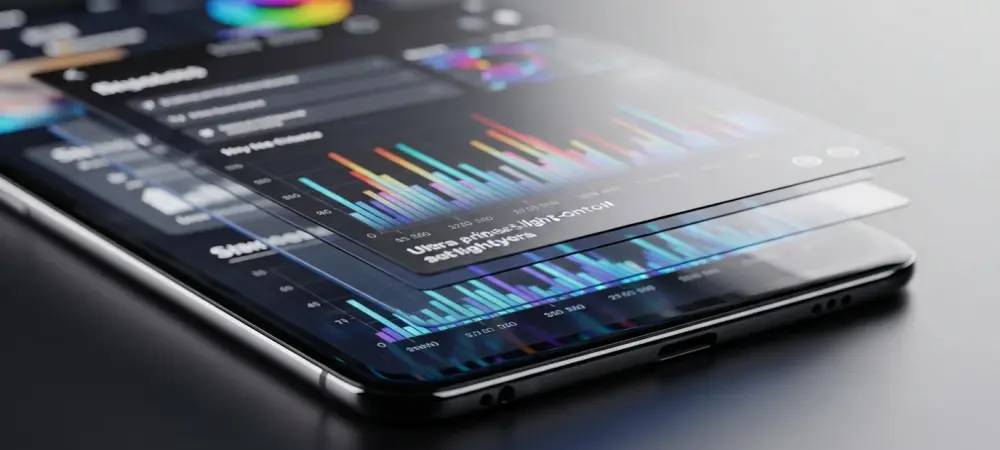
Modern smartphone users often find themselves in a precarious position where high-resolution screens inadvertently turn private digital lives into public spectacles for any curious onlooker nearby. While manufacturers have spent years chasing peak brightness and color accuracy, the conversation has recently shifted toward who should actually see those pixels. Samsung and Xiaomi are now leading a transition that moves privacy from an optional accessory to a core hardware component, ensuring that visibility is a privilege granted only to the person holding the device.
Beyond the Screen Protector: The New Era of Disappearing Displays
In an environment where mobile screens are larger and more vibrant than ever, the passenger sitting next to you on a bus often has a clearer view of your notifications than you might prefer. The industry is moving past the obsession with pixel density to address a different visual priority: invisibility to unauthorized eyes. This debut of integrated privacy displays marks a significant milestone where hardware security finally aligns with the extreme portability of modern flagships.
This shift represents a departure from the traditional reliance on physical barriers. By embedding light-control technology directly into the panel, engineers have eliminated the need for third-party solutions that often compromise the sleek aesthetics of a premium phone. This evolution suggests that the future of mobile design is not just about what a screen can show, but what it can successfully hide.
Why Your Screen Visibility Is the Next Great Mobile Battleground
The prevalence of “visual hacking”—the act of surreptitiously glancing at sensitive data in crowded spaces—has transformed digital privacy into a luxury commodity. Historically, users had to choose between security and quality, often applying thick plastic filters that dimmed the display and hindered touch responsiveness. Modern hardware solutions bridge this gap, offering professional-grade protection that was once reserved for high-end corporate laptops.
Furthermore, as mobile banking and remote work become the default for many, the stakes for on-screen security have never been higher. Manufacturers recognize that a device is only as secure as its most vulnerable point, which is often the light reflecting off the glass. Providing a built-in solution allows users to navigate sensitive environments with a level of confidence that software encryption alone cannot provide.
The Samsung Galaxy S26 Ultra and the Shift to Functional Innovation
The Samsung Galaxy S26 Ultra acts as the primary catalyst for this hardware movement, emphasizing practical utility over incremental cosmetic updates. Drawing inspiration from the privacy screens found on specialized business laptops like the HP EliteBook, Samsung’s new display incorporates a toggleable light-control layer. This mechanism allows the user to narrow the viewing angle at will, rendering the screen effectively black to anyone standing more than a few degrees off-center.
This implementation effectively makes the traditional adhesive screen protector a relic of the past. By prioritizing this functional upgrade, the device addresses a specific pain point for power users who frequently handle confidential documents on the move. It demonstrates a maturation of the flagship market, where “innovation” is defined by how well a device protects the user’s personal space rather than just the speed of its processor.
Xiaomi 18 Series: Accelerating the Privacy Standard
Following the momentum established by Samsung, Xiaomi is prepared to turn this specialized feature into a universal industry expectation with its upcoming 18 series. By integrating this technology so quickly after its market debut, Xiaomi is signaling that privacy-centric hardware is not a niche experiment but a competitive requirement. This rapid adoption cycle suggests that global manufacturers now view hardware-level privacy as a defining characteristic of the modern high-end smartphone.
The speed of this rollout will likely create a ripple effect across the entire supply chain, forcing other major players to prioritize similar display technologies to remain relevant. As these components become more common, the cost of implementation is expected to drop, potentially bringing these security features to mid-range devices sooner than anticipated. This competition ensures that the standard for personal data protection continues to rise across the board.
How Integrated Privacy Displays Change the Way We Use Public Spaces
The transition to integrated privacy technology provides a seamless framework for interacting with digital content in the middle of a crowd. Unlike aftermarket films that permanently degrade the viewing experience, these built-in displays allow for full brightness and perfect color reproduction when the privacy mode is deactivated. This flexibility enables a user to enjoy a movie in high definition at home and then secure their banking app with a single tap once they step out into public.
This technology also alleviates the social anxiety often associated with “shoulder surfing” in tight quarters. Whether it is a professional responding to a sensitive email or a traveler navigating a busy terminal, the ability to disappear in plain sight offers a newfound sense of freedom. Ultimately, these displays have redefined the relationship between the user and their surroundings, ensuring that personal information remains strictly personal regardless of the environment. In the end, the industry successfully shifted the focus toward a more discreet and secure digital future.