

Introduction
The modern smartphone landscape often feels like a relentless pursuit of brighter, faster, and more saturated displays that inevitably contribute to significant eye fatigue. Hisense attempts to disrupt this cycle with the A10, a device that prioritizes visual comfort through a modular e-paper experience rather than traditional high-refresh-rate panels. By integrating a primary e-paper screen into the core chassis while offering a secondary LCD as a detachable accessory, the company seeks to redefine the relationship between users and their digital interfaces.
This exploration details how the A10 addresses the growing demand for digital minimalism while maintaining the functional requirements of modern software. Readers can expect to learn about the specific technical specifications, the benefits of modular hardware, and the potential market challenges facing such a specialized device. Ultimately, this handset represents a bold experiment in an industry often criticized for stagnation.
Key Questions or Key Topics Section
What Defines the Modular Dual-Screen Approach of This New Handset?
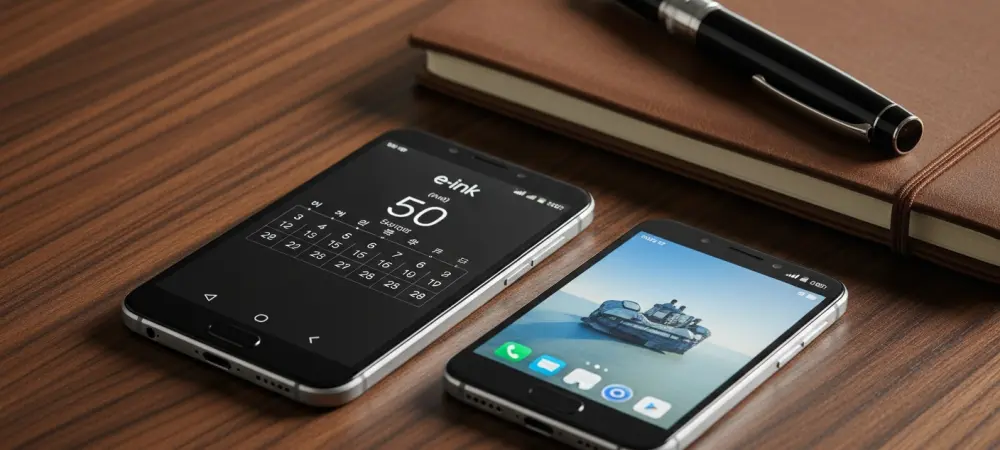
Traditional dual-screen devices often suffer from increased weight and physical fragility that makes them difficult to maintain over long periods. The A10 addresses these concerns by providing a 6.13-inch monochrome e-paper display as the permanent front interface, which serves the primary role for reading and basic navigation. Meanwhile, a color LCD module can be attached to the rear only when the user requires traditional multimedia capabilities or color-sensitive tasks.
This design allows the hardware to remain lightweight when used in its base form, effectively promoting a focused lifestyle. Unlike previous attempts at dual-screen phones that forced a permanent “sandwich” of glass, this modular solution gives the owner the choice to shed unnecessary bulk. Moreover, it protects the more delicate color screen from daily wear when it is not actively needed, extending the longevity of the peripheral components toward a more sustainable lifecycle.
How Does the Technical Architecture Support Modern Software Demands?
While e-paper devices are frequently associated with sluggish performance and outdated operating systems, this handset utilizes an octa-core 4nm Snapdragon chipset to ensure smooth operations. Such a powerful processor is somewhat rare in the e-ink market, but it becomes essential when running a modern platform like Android 16. This integration ensures that the device can handle current applications and security protocols without the frustrating lag typically found in dedicated e-readers.
The choice of a 4nm process also highlights a strategic focus on energy efficiency, which complements the low-power nature of the primary display. By pairing a high-efficiency processor with a screen that only consumes power when the image changes, the device achieves exceptional battery longevity. This makes it an ideal tool for professionals who require a reliable communication device that can last multiple days on a single charge while still having access to a full app ecosystem.
Why Might the Orientation of the Screens Be a Point of Contention?
The decision to make the e-paper display the permanent fixture while relegating the color LCD to an optional attachment represents a bold design choice. In most consumer electronics, the high-fidelity color screen serves as the primary gateway for photography and social media, with e-paper acting merely as a secondary tool. By flipping this hierarchy, the manufacturer is betting on a demographic that views text-based information and eye health as their top priorities.
Critics argue that this configuration might alienate the mainstream market, where the versatility of a standard screen is considered non-negotiable. While enthusiasts of digital minimalism may find the e-paper-first approach refreshing, the average buyer might prefer a high-end smartphone with a detachable e-ink accessory instead. Nevertheless, this device stands out as a specialized instrument for those who find the constant stimulation of traditional screens overwhelming and seek a more grounded experience.
Summary or Recap
The device emerges as a distinctive alternative in a market saturated with identical glass slabs by combining a modern Snapdragon processor with the tranquility of a monochrome e-paper interface. It offers a unique modularity that separates the high-intensity LCD from the daily driver, catering to those who value battery life and ocular comfort over flashy multimedia features. Key takeaways include the device’s ability to run the latest software and its innovative way of reducing physical bulk through detachable components.
Conclusion or Final Thoughts
The launch of the modular e-paper smartphone suggested that there was still room for radical experimentation in mobile hardware. Manufacturers recognized that a one-size-fits-all approach no longer satisfied the diverse needs of a global audience that prioritized focus and health over entertainment. This hardware experiment illustrated that consumers who were willing to sacrifice some mainstream convenience found a dedicated solution that did not force them to carry outdated technology.
Looking ahead, the success of such niche designs will depend on how well companies balance specialized features with the broad utility expected from a primary device. Those interested in reclaiming their attention spans or reducing blue light exposure should evaluate how modularity fits into their digital habits. Exploring e-ink accessories or simplified interfaces might provide a similar transition for those not yet ready to commit to a permanent e-paper primary display.