

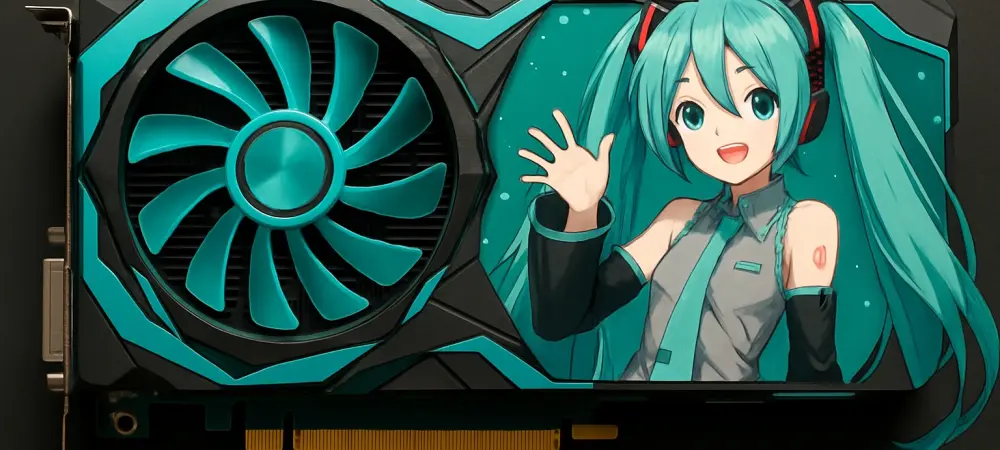
In a bold intersection of technology and pop culture, ASUS has unveiled its latest themed hardware: the Hatsune Miku-themed graphics card, further cementing the fusion of digital artistry and high-performance computing. As the gaming industry witnesses an evolution toward personalization and thematic exploration, the ASUS ROG Astral RTX 5080 Special Edition emerges as a representative of this nuanced trend. The product is a result of collaboration with the virtual pop icon, Hatsune Miku, appealing to her vibrant fanbase while offering cutting-edge technology. This review delves into how such thematic endeavors influence consumer behavior and industry standards.
Exploring the Features and Performance
The ROG Astral RTX 5080 Special Edition is not just a striking piece of hardware; it is a testament to precision engineering and innovative partnerships. One of the defining aspects of this graphics card is its aesthetic design, which perfectly captures Hatsune Miku’s unique style. Featuring a distinctive color palette that incorporates blue-green and pink shades, the design infuses Miku’s iconic twin-tail aesthetic into the hardware, making it a centerpiece for fans. Such collaborations highlight the importance of branding within consumer electronics, drawing attention and widening the reach through cultural touchpoints.
Beneath its striking exterior, the card is a high-performance machine designed for serious gamers and tech enthusiasts. The advanced cooling technology includes a quad-fan setup complemented by a vapor chamber and phase-change GPU thermal pad. These components enable efficient heat dissipation, ensuring the system runs smoothly even under high loads. This focus not only boosts performance but also enhances durability, reflecting the continuous advancements in cooling solutions that are critical for sustaining high-power outputs within confined spaces.
When examining the technical specifications of the RTX 5080, it stands out with its robust processing capabilities and efficiency markers. Gamers and creative professionals will find its high-fidelity rendering and power consumption metrics to be significant features, as they influence real-time performance and energy optimization. Such specifications cater to cutting-edge gaming experiences and high-demand applications, reinforcing the card’s position as a versatile tool in various contexts.
Recent Trends in Consumer Personalization and GPU Advancement
The introduction of Hatsune Miku-themed hardware signifies a broader trend toward consumer personalization in the tech industry. This trend is driving technological advancements and promoting unique experiences tailored to individual preferences. Collaborations and thematic representations are rapidly becoming a normative strategy for tech companies, spurring consumer excitement and cross-market innovations. At the same time, GPU technology continues to evolve, incorporating more sophisticated integration processes that enhance user engagement and operational efficiency.
Within the realm of gaming and creative industries, such thematic hardware offers practical applications that derive significant performance benefits. Advanced graphics cards like the RTX 5080 facilitate improved rendering in gaming environments, seamless experiences in virtual reality setups, and enhanced capabilities in creative software used by digital artists and animators. This broad applicability exemplifies the cross-sectoral impact of high-performance GPUs.
Addressing Challenges and Paving the Way for Future Developments
While themed graphics cards inject vibrancy and allure into the tech landscape, they are not without their challenges. Market acceptance and the production costs associated with customized hardware can hinder widespread adoption. Additionally, compliance with regulatory standards and compatibility with existing systems are potential bottlenecks that require strategic resolution to maximize market penetration. Looking ahead, the prospects for themed GPUs remain promising as technology integrates more deeply into culture. Future developments could introduce even more dynamic interplay between iconic themes and state-of-the-art hardware, potentially shaping gaming culture and technological innovation in unprecedented ways. Anticipated breakthroughs might further redefine user expectations in terms of both performance and design.
Conclusion of Findings
In conclusion, the Hatsune Miku Graphics Card exemplifies a notable convergence of technology and culture, captivating audiences through its thematic appeal and superior engineering. While consumer electronics increasingly incorporate such collaborations, their success depends on overcoming challenges related to cost and compatibility. Overall, the industry is poised for continued evolution, with themed hardware like the Hatsune Miku Graphics Card paving the way for innovative design approaches and enhanced user experiences.