

The relentless pursuit of a perfectly balanced smartphone design has led manufacturers down a path of iterative refinement, but Xiaomi’s latest reveal suggests a significant leap toward that elusive goal. The flagship market is a theater of technological advancement, and this review explores the evolution of Xiaomi’s Ultra line through its latest iteration. Based on official reveals and anticipated performance, this analysis provides a thorough understanding of the new device, its current capabilities, and its potential to influence future industry trends.
Unveiling Xiaomi’s Newest Contender
The Xiaomi 17 Ultra enters the scene with a clearly defined purpose: to dominate the camera-centric flagship space. Company president Lu Weibing’s recent presentation confirmed this direction, highlighting components engineered for photographic excellence. This device is not merely an annual update; it represents Xiaomi’s strategic response to a highly competitive premium landscape where imaging capabilities are a primary battleground.
Positioned as the pinnacle of the company’s mobile offerings, the 17 Ultra carries the weight of high expectations. It emerges in a market where consumers demand both aesthetic perfection and uncompromising performance. Its relevance, therefore, is measured by its ability to innovate meaningfully, setting a new standard for what users can expect from a top-tier smartphone and preparing the ground for a more detailed examination of its features.
A Meticulous Look at Design and Display
An Evolved and Symmetrical Form Factor
An official hands-on video provided the first clear look at the device’s front, revealing a significant evolution in its design language. The Xiaomi 17 Ultra sports a rounder, more organic form factor, moving away from sharper edges for a more comfortable in-hand feel. This aesthetic is complemented by remarkably slim and uniform bezels on all four sides, creating an immersive, all-screen experience. This commitment to symmetry addresses a long-standing goal in smartphone design, aiming for a perfectly balanced visual presentation. While it remains unconfirmed if the bezels are quantifiably thinner than those on its predecessor, their uniformity alone marks a noteworthy achievement in engineering and contributes to a more premium and cohesive appearance.
A Fresh Palette of Color Options
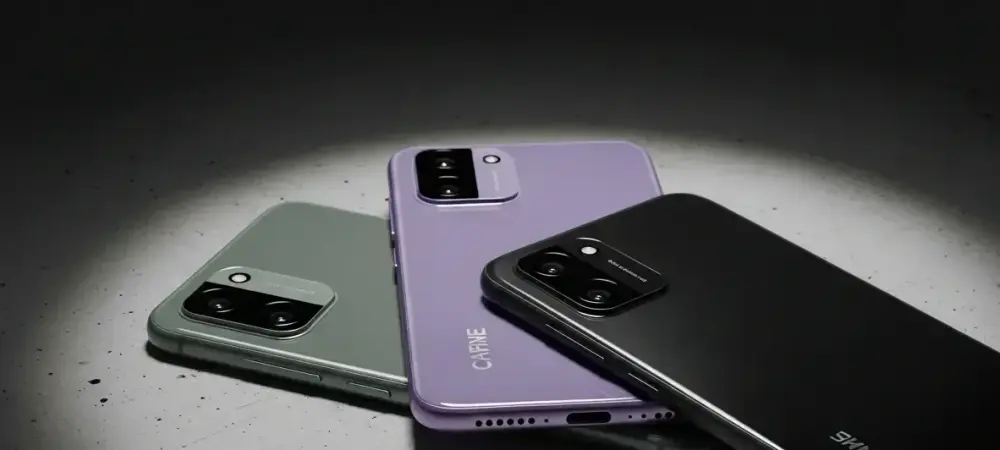
Xiaomi is expanding its aesthetic appeal with a broader range of colorways. A surprise reveal showcased a fourth option, a distinct violet tone that adds a bold choice to the lineup. This expansion demonstrates an understanding that personalization and style are increasingly important factors for consumers in the premium segment.
Among the available choices, the “Starry Green” variant is being positioned as a marquee feature at launch. Its finish incorporates sparkling elements, designed to catch the light and create a unique visual effect. This focus on advanced color treatments indicates a trend toward making the device’s exterior as sophisticated as its internal technology.
The Centerpiece Display
While detailed specifications are pending, the display is expected to be a cornerstone of the user experience. Industry trends point toward a state-of-the-art LTPO AMOLED panel, which would enable a dynamic refresh rate for fluid scrolling and improved power efficiency. High peak brightness for outdoor visibility and a crisp resolution are also anticipated standards for a flagship of this caliber. These elements combined will be crucial in delivering the vibrant and responsive visual experience that users expect.
The Camera System The Ultra’s Defining Feature
The “Ultra” designation in Xiaomi’s lineup has become synonymous with cutting-edge camera technology, and the 17 Ultra is built to continue this legacy. Its identity is fundamentally tied to its imaging system, which integrates advanced hardware with sophisticated software processing. This device is marketed not just as a phone that takes good pictures but as a comprehensive tool for mobile photography and videography. The innovations within its camera system are the primary justification for its flagship status and the main draw for its target audience.
Real-World Performance Expectations
The true measure of the Xiaomi 17 Ultra will be its performance in everyday scenarios. The synergy between its powerful processor and advanced camera system is expected to empower users in diverse applications. For creators, this translates to capturing professional-grade photos and videos with greater ease and flexibility. Meanwhile, gamers and power users will benefit from smooth, high-fidelity performance in demanding applications and multitasking, ensuring the device serves as a capable hub for both productivity and entertainment.
Market Challenges and Competitive Positioning
Despite its promising features, the Xiaomi 17 Ultra faces a formidable market. It must contend with established rivals from Apple and Samsung, who command significant brand loyalty in the premium segment. Furthermore, it must meet the high expectations set by previous Ultra models, which have consistently pushed the boundaries of mobile technology. Ongoing development and strategic marketing will be critical to differentiate the device and convince consumers of its superior value in a crowded field.
The Future Trajectory of the Ultra Series
The Xiaomi 17 Ultra offers a glimpse into the future of the company’s design and technological priorities. The emphasis on a symmetrical, bezel-less display and advanced camera systems is likely to become a new standard for its future high-end devices. This model could serve as a foundational platform for breakthroughs in computational photography and display integration, potentially influencing wider market trends. Its long-term impact will be measured by its ability to elevate Xiaomi’s brand perception and solidify its position as a leader in mobile innovation.
Final Thoughts and Initial Verdict
The initial unveiling of the Xiaomi 17 Ultra presented a device defined by refinement and focused ambition. Its symmetrical design and expanded color palette demonstrated a keen attention to aesthetic detail, while its unwavering focus on camera supremacy reaffirmed the Ultra line’s core identity. Based on these early impressions, the device established itself as a compelling contender poised to challenge the status quo. The true test awaited its official launch, but its promise to blend cutting-edge technology with a polished user experience set a confident tone for its market entry.