

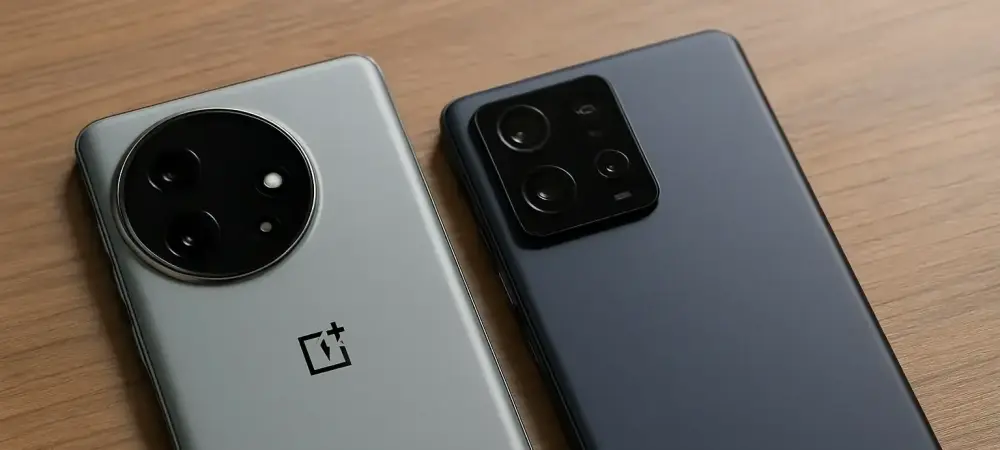
The traditional boundaries separating premium flagship performance from accessible mid-range pricing are rapidly dissolving, creating a new arena where value and power collide in devices designed for the modern enthusiast. This evolving landscape is the stage for a compelling showdown between two new performance-centric smartphones that promise to redefine user expectations.
The New Turbo Contenders: Setting the Stage
The “Turbo” category has emerged as the answer for users who crave near-flagship power without the associated cost, bridging the gap with high-end chipsets, fast displays, and robust features. OnePlus is now stepping into this ring with its new Turbo series, aiming to disrupt a segment that Redmi has cultivated with its own performance-first philosophy. This market strategy is clear: deliver an uncompromising experience focused on specific user priorities, challenging the very definition of what a mid-range phone can achieve. These devices are not about making compromises; they are about making calculated choices to deliver maximum performance where it matters most to a demanding audience.
Head-to-Head: Core Specifications Showdown
Processing Power and Raw Performance
At the heart of the OnePlus Turbo lies the confirmed Snapdragon 8s Gen 4 chipset, a formidable processor that has already demonstrated its prowess with a staggering 2.6 million score on the AnTuTu benchmark. This impressive figure sets a high bar for its direct rival, the anticipated Redmi Turbo 5 Pro, which is expected to feature a similarly capable upper mid-range SoC.
In real-world terms, the OnePlus Turbo’s benchmark success translates to elite-level gaming, seamless multitasking, and sustained performance under demanding loads. The critical question, however, is whether Redmi’s offering can match this raw output or if it will focus on a different balance of power and optimized efficiency, creating a nuanced choice for performance enthusiasts.
Display Technology and Visual Experience
The visual experience is a key battleground where these two devices showcase different priorities. The OnePlus Turbo boasts a 6.78-inch OLED panel with an ultra-smooth 165 Hz refresh rate, a specification clearly tailored for competitive gamers who demand the highest possible frame rates for a fluid, responsive advantage.
In contrast, the Redmi Turbo 5 Pro is expected to take a more balanced approach. It may feature a display with a slightly lower refresh rate but compensate with superior peak brightness for better outdoor visibility or a higher resolution for sharper media consumption. This presents a clear choice between the pure speed favored by gamers and the all-around visual fidelity suited for a broader range of content.
Battery Endurance vs. Charging Speed
Here, the philosophies of the two brands diverge dramatically. The OnePlus Turbo is built around a colossal 9,000 mAh battery, promising multi-day endurance that could fundamentally change how users manage their power needs, effectively eliminating daily charging anxiety for many.
This marathon-like stamina stands in stark opposition to the anticipated strategy for the Redmi Turbo 5 Pro. It will likely pair a more conventional, smaller battery with industry-leading fast charging technology. This creates a fundamental trade-off: the OnePlus offers unparalleled freedom from the charger, while the Redmi provides the unmatched convenience of getting back to a full charge in mere minutes.
Design, Usability, and Potential Limitations
While the specifications on paper are impressive, they come with practical considerations that will influence the daily user experience. The sheer size of the OnePlus Turbo’s battery will inevitably result in a heavier and bulkier device, a potential drawback for users who prioritize portability and comfortable single-handed use.
Furthermore, both devices utilize an upper mid-range SoC. While the Snapdragon 8s Gen 4 is incredibly powerful, it may have certain limitations compared to a true flagship chip, particularly in areas like advanced image signal processing for the camera system and potentially a shorter window for long-term software support.
Final Verdict: Which Turbo Phone Should You Choose?
The choice between these two “Turbo” contenders ultimately hinges on sharply defined individual priorities. The OnePlus Turbo establishes itself as the undisputed champion of battery longevity and screen fluidity, making it the ideal choice for marathon gamers and users who are frequently away from a power source.
In contrast, the Redmi Turbo 5 Pro is positioned to be the more balanced all-rounder, likely excelling in rapid charging speeds and offering a well-rounded feature set in a potentially more ergonomic and manageable package. Your decision rests on a simple question: do you value endless power that lasts for days, or do you prefer the speed to refuel in an instant?