

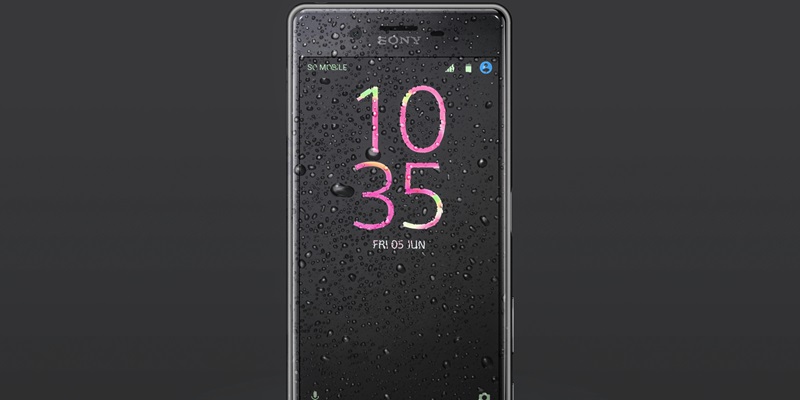
In the fast-paced world of technology where today’s innovations become obsolete tomorrow, the Sony Xperia Z2 emerges as a relic of the past vying for attention. Launched in 2014, the Z2 was a wonder of its time, boasting premium features that set benchmarks in smartphone technology. Does the Xperia Z2 still have a place in the modern mobile ecosystem? In examining its longevity, we look back at the design and technological prowess that once made it an object of desire.
While we marvel at the latest razor-thin smartphones, the Xperia Z2’s industrial design and durability remain noteworthy. Its water and dust-resistant casing, along with a glass-back design, gives the Z2 a robust, timeless feel. The 5.2-inch Full HD display stands out even today, though it lacks the crispness of modern QHD or 4K screens. The Xperia Z2 possesses an elegance that still appeals to those who appreciate Sony’s aesthetic commitment to craftsmanship.
A Journey through Xperia Z2’s Capabilities
At its core, the Z2 championed performance with its Snapdragon 801 processor and 3GB RAM, ensuring swift and smooth operations. Multitasking, gaming, and everyday apps ran with ease, a testament to its engineering. Even though it’s not on par with the lightning-fast processors of today, the Xperia Z2’s performance capability could still satisfy basic smartphone users. Its 3200mAh battery life—impressive even now—provides it with an edge in endurance over some newer models.
The camera system on the Xperia Z2 was ahead of its era. The 20.7-megapixel primary camera with 4K video recording capability was a novelty then and remains competitive. The Z2’s photographic tools, like slow-motion capture and background defocus, brought new dimensions to mobile photography. Despite the vast improvements in smartphone cameras today, the Z2’s camera can still capture moments with a level of quality that holds its own, making it a viable option for photography enthusiasts.
The Evolution of Technology and the Z2
Technological innovation has soared over the years, with features like 4G LTE and NFC becoming commonplace. Sony’s Xperia Z2, a beacon of connectivity with its cutting-edge specs at the time, still stands its ground in some respects. Equipped with Sony’s unique Xperia UI on Android 4.4 KitKat, it offered distinct features such as noise cancellation and PlayStation integration—aspects still cherished by some.
Despite its past glory, the relentless progression of tech casts a shadow over the Z2’s contemporary relevance. Advances in AI, camera tech, and displays push the Z2 from the spotlight. Nevertheless, the Z2 retains a certain allure; for some, it represents a piece of innovation history, and Sony’s dedication to merging beauty with functionality. This device remains a precious token, captivating a niche market that values the experience and nostalgia associated with it over the mere specifications that newer models boast.