

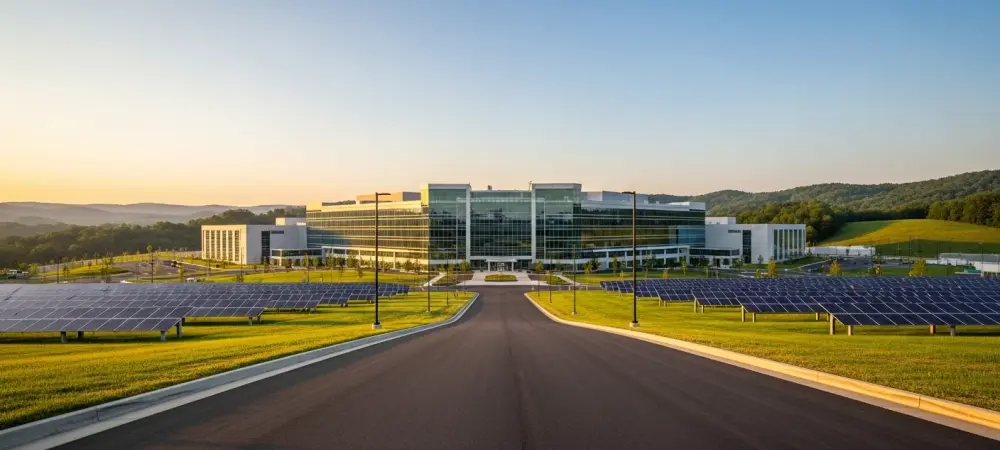
The sudden transformation of Appalachia into a global technology corridor signals a massive structural shift in how hyperscale investors perceive rural industrial potential. Google has officially signaled this transition by announcing a multi-billion-dollar data center campus in Putnam County. This initiative, designated as a High Impact Development Project, represents a significant technological investment. By securing land and state-level approvals, the search giant is anchoring a new era of digital infrastructure in a region traditionally known for its energy production.
Evolution of West Virginia’s Industrial Landscape
For decades, West Virginia’s economy was synonymous with coal and manufacturing, providing the literal power for the American industrial revolution. However, as the global economy shifts toward digitalization, the state has actively sought to diversify its portfolio by courting tech firms. Historically, regional development was overshadowed by Virginia’s saturated markets. Recent legislative efforts to create a favorable regulatory environment have laid the groundwork for this arrival, marking a transition from a resource-based economy to a knowledge-based one.
Economic and Environmental Impact of the Putnam County Campus
Stimulating Local Labor Markets: Long-Term Employment
The construction of this facility serves as an immediate catalyst for local employment, generating thousands of temporary roles. Beyond the initial build, the site will sustain hundreds of permanent, high-salaried positions. For a region looking to retain talent, a global brand offers a career path that does not require relocating.
Commitment to Sustainability: 100 Percent Renewable Energy
Google’s pledge to cover the facility’s electricity consumption with renewable sources necessitates a shift in local energy infrastructure. This move challenges the utility sector to accelerate wind and solar development. By prioritizing a carbon-neutral footprint, the project sets a precedent for how industrial growth can coexist with environmental stewardship.
Regional Integration: The Appalachian Tech Corridor
The site is strategically positioned between Charleston and Huntington, placing it at the heart of a burgeoning regional tech corridor. This location complements other projects, such as the Monarch Compute Campus, creating a resilient network of infrastructure. This synergy suggests that West Virginia is becoming an integral part of the nation’s digital backbone.
Future Trends: Data Infrastructure and Regional Growth
Technology firms are increasingly decentralizing operations to leverage lower land costs and available power capacity. As artificial intelligence and cloud computing continue to expand, the demand for hyperscale centers will increase. We can expect further investments in Appalachia as other giants follow this lead, potentially turning the area into a secondary hub for data processing.
Navigating the Path Toward a Digital Future
The collaboration between Google and state officials offers a blueprint for attracting high-impact development. For the state, maintaining a competitive business climate and investing in infrastructure remained essential. For residents, the presence of these facilities provided an opportunity to participate in a high-growth sector that offers stability and advancement.
Conclusion: A New Chapter for the Mountain State
The decision to build in Putnam County validated West Virginia’s potential as a modern industrial leader. State officials successfully prioritized workforce training to meet the demands of this new neighbor. Ultimately, the partnership proved that traditional heartlands could reinvent themselves for the digital age by embracing sustainable innovation and long-term infrastructure planning.