

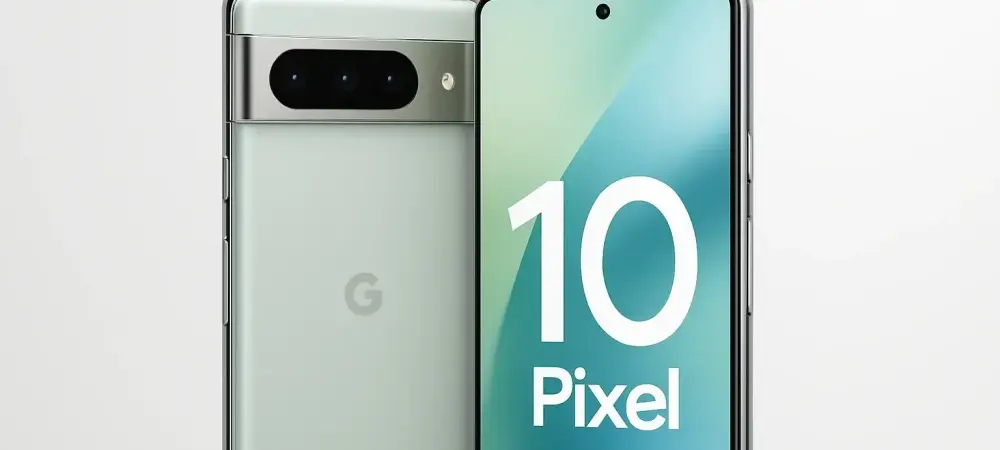
As the Google Pixel 10 prepares to make an impression in the highly competitive smartphone market, tech enthusiasts and consumers keenly anticipate how this model will stack up against its predecessors and rivals. The Pixel series has always been known for its sleek design, impressive camera capabilities, and seamless integration with Google’s software ecosystem. However, with the simultaneous announcement of the more sophisticated Pixel 10 Pro, the anticipated distinctions between the standard and Pro variants are drawing attention, especially in the wake of Google’s decision to house both devices with the high-performing Tensor G5 chipset.
One of the most compelling narratives surrounding the new Pixel 10 revolves around the features that continue to differentiate it from the high-end Pixel 10 Pro. Despite both models benefiting from the powerful Tensor G5 processor, a closer examination reveals several notable omissions in the base model’s design and capability. This differentiation is primarily aimed at segmenting their target audience based on varying technological needs and pricing brackets. While the inclusion of a telephoto camera across both models has seemingly bridged certain disparities, some critical hardware advantages remain exclusive to the Pixel 10 Pro, possibly affecting consumer choice.
Notable Hardware Differences
A prominent difference that tech analysts and consumers have noted is the lack of a vapor chamber in the standard Pixel 10, an absence that might compromise its performance when handling high-demand tasks. Vapor chambers have become standard in managing heat dissipation for powerful processors, particularly during resource-intensive activities such as gaming or intensive multitasking. Without this feature, the Pixel 10 could potentially face challenges in sustaining optimal performance levels over extended use periods, even though the newly crafted Tensor G5 is anticipated to offer more efficiency than its predecessors due to advancements in TSMC manufacturing processes. Moreover, another surprising exclusion in the Pixel 10 is the absence of Wi-Fi 7 support—an upgrade already seen in the prior Pixel 9 models. Given that other features, including the modem technology, closely align across both models, this deliberate downgrading in the Pixel 10 seems arbitrary. This move may also raise questions about the rationale behind omitting what many consider critical in a world increasingly reliant on faster and more stable internet connections. Such omissions could potentially affect user experience, especially for tech-savvy individuals who thrive on cutting-edge connectivity standards.
Camera Capabilities and Design Distinctions
The Pixel 10’s camera capabilities, though significantly enhanced with the new Tensor chip, remain a step behind those of the Pixel 10 Pro. The inclusion of a telephoto lens in the Pixel 10 is a welcome advancement, yet several advanced camera features like “Ultra Res Zoom” remain exclusive to the Pro variant. This high-resolution zoom feature enhances image quality to new heights, distinctly outperforming the previous “Super Res Zoom” capabilities. Additionally, gimbal-like stabilization, crucial for smooth video recording, is another Pro-specific feature, leaving the base model with a more conventional stabilization setup. Such clear demarcations create a distinction in camera performance between the devices that may be attributed more to strategic market placement than technical necessity.
Beyond these camera distinctions, Google continues to assert design as a differentiating factor between its base and Pro models. The Pixel 10 is reportedly equipped with design elements distinct from the Pro, including variations in the frame and back panel design. This approach aims to appeal to varying aesthetic preferences and solidify the Pro’s status as the premium option through not only superior internal functionality but also superior external presentation. Design, while an important aspect for many users, also serves as an indicator of cost differences between the two models, underlining Google’s ongoing strategy to maintain clear separations between their base and top-tier offerings.
Strategic Limitations and Market Implications
As the Google Pixel 10 nears its debut in the fiercely competitive smartphone arena, tech enthusiasts and consumers are eager to see how this edition will measure up to past models and its competitors. The Pixel series has garnered acclaim for its stylish design, impressive camera capabilities, and fluid integration with Google’s software. This year, alongside the Pixel 10, Google introduces the more advanced Pixel 10 Pro, leading to curiosity about the differences between these variants. Both phones boast the powerful Tensor G5 chipset, yet subtle distinctions remain, especially concerning the base model’s design and features. These differences cater to diverse consumer segments with varied tech needs and budget preferences. While the addition of a telephoto camera in both models narrows some gaps, the Pixel 10 Pro retains some key hardware advantages. Such distinctions might influence consumer decision-making, as they weigh the balance between advanced features and price.