

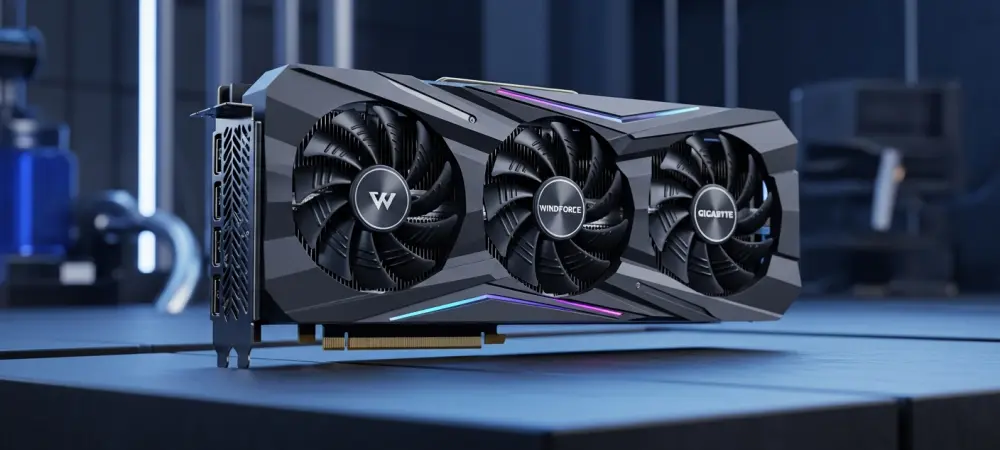
Navigating the landscape of modern PC hardware procurement has become a task of strategic timing as prices for high-end components fluctuate with the shifting tides of supply and global logistics. Recently, the Gigabyte RX 9070 XT Gaming OC achieved a significant pricing milestone on Amazon, marking a rare moment where a top-tier graphics card becomes notably more accessible to the general consumer. For many enthusiasts who have watched flagship hardware prices remain stubbornly high, this adjustment signals a potential relief for those prioritizing high frames per second and crisp resolutions without exceeding a strict budget. The shift reflects a broader movement within the retail sector to balance current inventory with the evolving needs of a community that demands both power and fiscal responsibility. As the market transitions through various economic cycles, such discounts offer a practical window for builders to finalize their setups with premium hardware that previously felt just out of reach due to various price premiums.
Market Dynamics and Pricing Evolution
Industrial Demand: The Influence of Artificial Intelligence
The meteoric rise of generative artificial intelligence and the expansion of massive data centers have fundamentally altered the landscape for semiconductor manufacturing and distribution. As corporate giants compete for the same silicon wafers required for high-performance computing, the consumer gaming sector has often found itself relegated to a secondary priority for major foundries. This immense pressure on the global supply chain has historically driven the costs of critical components upward, making the dream of owning a flagship gaming rig increasingly difficult for the average hobbyist to justify. When manufacturers dedicate a larger portion of their production capacity to high-margin AI accelerators, the remaining availability for consumer-grade graphics processing units becomes limited. Consequently, retail prices for these components often stay inflated for extended periods, even as newer technologies are introduced. This competitive environment requires consumers to be more vigilant than ever when seeking out value in an industry focused on industrial growth.
Because manufacturers often prioritize the lucrative margins offered by enterprise-level AI chips, the production of gaming-focused hardware can face sudden and unpredictable constraints. These bottlenecks in the manufacturing process ensure that retail pricing remains sensitive to any shift in industrial demand, frequently resulting in price spikes that catch potential buyers off guard. For many years, this trend created a barrier to entry for gamers who desired high-end performance but were unwilling to pay the exorbitant premiums associated with scarcity. However, as production lines stabilize throughout the middle of 2026, there are emerging signs of relief for those who have patiently waited for hardware costs to align with realistic consumer expectations. The current market equilibrium suggests that while industrial demand remains high, the specific allocation for gaming hardware is becoming more consistent. This stabilization allows retail giants to offer more aggressive discounts, providing a much-needed break for enthusiasts who refuse to compromise on quality despite economic pressures.
Pricing Records: Analyzing the Record Low Threshold
Currently listed at a price of $695.59, the Gigabyte model has seen a notable reduction from its standard $739.99 MSRP, marking its most competitive valuation recorded since the beginning of 2026. While a direct saving of roughly forty-four dollars might seem modest at a glance, the historical context of hardware pricing confirms that this is a record-low achievement for the current calendar year. For enthusiasts tracking market movements, this represents a significant deviation from the trend of price stagnation that has plagued high-end GPUs for several months. Achieving such a price point in a climate where other essential components like high-density memory and solid-state storage are seeing rising costs is particularly impressive. This price drop effectively lowers the barrier for entry into the high-performance tier, allowing more builders to integrate premium cooling and overclocking features.
This specific pricing adjustment brings the card remarkably close to the all-time lows that were observed late last year, making it a highly attractive prospect for those who carefully time their purchases. Market analysts suggest that such deep discounts are often temporary, occurring when retailers seek to clear inventory ahead of seasonal shifts or when supply chains provide a brief window of surplus. For the gaming community, this means that the window of opportunity to acquire a robust RX 9070 XT at this price may not stay open for long, especially given the volatility of semiconductor availability. Those who have been operating on older hardware from several generations ago will find that the leap in performance per dollar at this price point is substantial. By securing the hardware now, builders can bypass the uncertainty of future price hikes while ensuring their systems are equipped with a card that possesses the longevity to handle upcoming software demands. This move represents a strategic win for the consumer who balances technical specs with a keen eye for market timing.
Engineering Excellence and Performance Benchmarks
Thermal Innovation: Advanced Cooling Systems
At the heart of the hardware’s physical design is the proprietary WINDFORCE cooling system, which employs a triple-fan array engineered to manage thermal output with extreme precision. The system utilizes a unique alternate spinning mechanism where the middle fan rotates in the opposite direction of the outer two fans to significantly reduce air turbulence between the blades. By smoothing out the airflow, the design maximizes air pressure, allowing the cooling system to push more air through the dense heatsink fins than traditional fan configurations. This engineering choice is critical for maintaining the high clock speeds required for modern gaming, as it prevents the buildup of heat pockets that could lead to performance degradation. Furthermore, the fans feature a specialized 3D stripe design on the blades, which further guides the air and enhances overall efficiency. This meticulous attention to airflow dynamics ensures that the graphics card remains cool even during the most demanding titles that push the limits of modern processing power. The internal hardware architecture also includes a high-performance copper vapor chamber and a series of composite heat pipes that work in tandem to pull heat away from the GPU core and VRAM. This direct-contact approach ensures that thermal energy is transferred instantly from the sensitive processing elements to the massive heatsink for dissipation. By utilizing a vapor chamber instead of a traditional solid baseplate, the card benefits from the phase-change properties of the internal liquid, which spreads heat more evenly across the entire surface area. This technology is typically reserved for premium product lines because of its increased manufacturing complexity and cost, yet it is essential for managing the high power draw of modern flagship components. The integration of composite heat pipes further enhances this process by combining thermal conductivity and phase transition to speed up the transfer of heat. This multi-layered approach to thermal management ensures that every watt of power consumed by the card is managed with the highest level of efficiency possible.
Versatile Performance: Gaming and Professional Workloads
In terms of practical gaming performance, the RX 9070 XT stands as a dominant force at 1440p and provides a remarkably smooth experience for those playing at 4K resolution. Equipped with 16GB of high-speed GDDR6 memory, the card possesses the necessary buffer to handle high-resolution textures and complex assets without stuttering. Furthermore, the inclusion of the latest PCIe 5.0 interface ensures that the card has more than enough bandwidth to communicate with modern motherboards, preventing any potential data bottlenecks. This makes it an exceptionally strong competitor against other high-end alternatives in the market, particularly for users who want to maximize their frame rates on high-refresh-rate monitors. Whether navigating sprawling open worlds or engaging in fast-paced multiplayer shooters, the card delivers consistent performance that meets the demands of modern software. The high memory capacity also provides a degree of security against future titles that are expected to use even larger assets, ensuring the card remains relevant. For individuals who aimed to upgrade their systems in mid-2026, the RX 9070 XT represented a nearly perfect balance between mid-range pricing and flagship-tier results. Its combination of robust cooling, strong build quality, and competitive software support made it a primary recommendation for high-end enthusiasts. Seizing the opportunity offered by this specific Amazon deal allowed builders to secure a card with sufficient power to stay relevant as software requirements evolved. To make the most of such an investment, it was important to verify that existing power supplies met the wattage requirements and that the PC case offered enough clearance for the card’s dimensions. Once these logistical hurdles were cleared, the focus shifted to optimizing the system’s airflow to complement the WINDFORCE design. Moving forward, users were encouraged to keep their firmware updated to benefit from the ongoing driver refinements that further boosted efficiency. These steps ensured the hardware performed at its peak for many years, providing a reliable foundation for both gaming and creative professional workloads.