

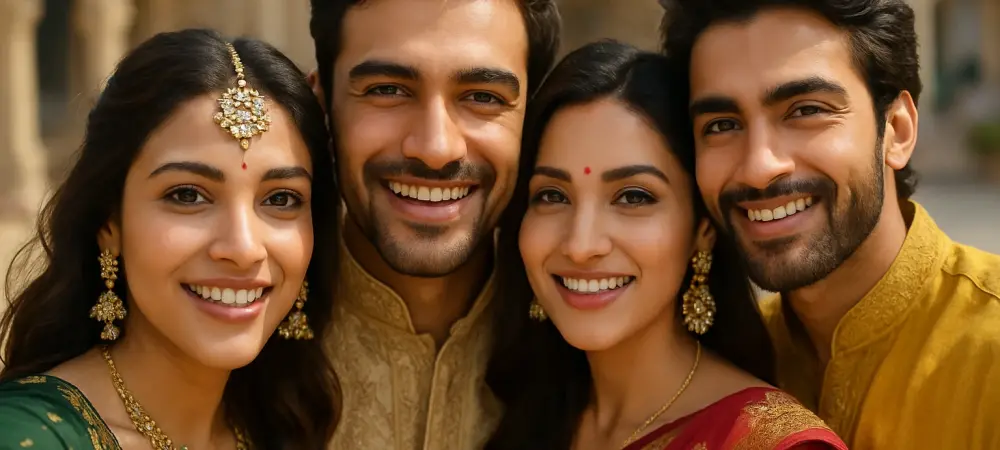
Imagine scrolling through Instagram and stumbling upon a breathtaking portrait of someone draped in a classic 90s Bollywood saree, the fabric seemingly floating in golden-hour light, set against a cinematic backdrop. What if that person is you, transformed from a simple selfie using cutting-edge artificial intelligence? This captivating phenomenon, driven by Google’s Gemini Nano AI tool, has taken social media by storm, turning everyday images into nostalgic masterpieces. As users flock to recreate iconic Bollywood aesthetics, this technology raises questions about creativity, engagement, and the hidden risks beneath the surface.
Unpacking the Technology Behind Gemini AI
Hyper-Realistic Visual Transformations
At the heart of this viral trend lies Gemini AI’s remarkable ability to generate hyper-realistic images that evoke the charm of 90s Bollywood cinema. The tool meticulously crafts visuals with dramatic elements like flowing saree fabrics, warm lighting reminiscent of a sunset, and picturesque backgrounds that feel straight out of a movie set. This precision in rendering minute details—down to the texture of chiffon or the glow of jewelry—has mesmerized users, offering a seamless blend of fantasy and familiarity.
Beyond mere aesthetics, the technology taps into deep cultural resonance, allowing individuals to see themselves as part of a beloved cinematic era. The allure of such transformations has sparked widespread participation, with countless posts flooding social media feeds. This level of realism not only showcases AI’s artistic potential but also sets a new benchmark for image manipulation tools in the digital space.
Personalized Saree Styles and Settings
One of Gemini AI’s standout features is its capacity for customization, enabling users to request specific saree styles tailored to their vision. Whether it’s a sleek black saree for a mysterious vibe, a playful polka dot design, an elegant red ensemble for romance, or a breezy yellow chiffon for a dreamy look, the tool adapts with impressive versatility. Users often pair these choices with thematic settings, such as misty hills or vintage courtyards, amplifying the nostalgic appeal. This personalization fosters a profound emotional connection, as individuals can recreate cherished memories or embody iconic looks from their favorite films. The ability to fine-tune every detail ensures that no two transformations are identical, making each image a unique piece of digital art. Such flexibility has cemented Gemini AI as a go-to tool for creative expression on platforms like Instagram.
Social Media Impact and User Engagement
The rise of Gemini AI’s saree trend on Instagram reflects a perfect storm of nostalgia and technological innovation. What began as a niche experiment quickly exploded into a cultural sensation, captivating diverse demographics from young trendsetters to older users reminiscing about Bollywood’s golden age. Hashtags related to the trend dominate feeds, with users sharing their transformations and inspiring others to join in. This phenomenon also highlights a shift in social media behavior, where interactive and visually striking content reigns supreme. The blend of retro charm with modern AI capabilities has fueled viral loops, as each shared image prompts curiosity and participation. Engagement metrics soar as followers comment, repost, and experiment with their own selfies, turning the trend into a communal celebration of heritage and creativity.
Moreover, the technology’s accessibility—requiring only a basic selfie and a few prompts—has democratized artistic creation. Unlike traditional photo editing, which demands skill and time, Gemini AI delivers instant, professional-grade results. This ease of use has broadened its appeal, positioning it as a pivotal tool in shaping how visual storytelling evolves on digital platforms.
Creative Applications in the Real World
Across Instagram, users have embraced Gemini AI to craft content that resonates on a personal level, often tying their transformations to cultural or familial memories. From recreating a grandmother’s iconic saree look to embodying a favorite Bollywood star, these images serve as digital keepsakes that bridge past and present. The trend has become a canvas for self-expression, allowing individuals to explore identities through a nostalgic lens.
Notable influencers have further propelled the trend’s visibility by showcasing stunning transformations that garner thousands of likes and shares. Their creative takes—pairing sarees with poetic captions or thematic music—have inspired followers to experiment with their own ideas. Such high-profile endorsements underscore the technology’s potential to redefine how personal stories are shared online.
Beyond individual use, the trend has sparked collaborative projects, with friends and families creating themed photo series together. These collective efforts highlight Gemini AI’s role in fostering community and connection through shared creativity. As more users tap into this tool, its influence continues to expand, reshaping the landscape of digital art and memory-making.
Privacy and Safety Concerns with AI Image Tools
Despite its creative allure, Gemini AI raises significant concerns about privacy and data security in image transformation. When users upload personal photos, they risk unauthorized alterations that could misrepresent their likeness, as seen in the unsettling case of an Instagrammer noticing an AI-added mole on her hand absent from the original image. Such incidents reveal how deeply AI analyzes and potentially manipulates personal data.
Google has implemented safeguards like invisible SynthID watermarks and metadata tags to mark AI-generated content, aiming to curb misuse. However, these measures face scrutiny for lacking public verifiability, with experts like UC Berkeley professor Hany Farid cautioning that watermarks can be stripped or falsified. This vulnerability underscores a broader challenge in ensuring accountability in AI-driven tools.
The potential for manipulated images to spread as authentic content adds another layer of risk, particularly in an era of misinformation. Privacy advocates argue for stronger protective frameworks beyond current solutions, emphasizing the need for transparency in how data is processed. As AI tools become ubiquitous, addressing these gaps remains critical to maintaining user trust.
Looking Ahead: AI Trends and Digital Protections
As Gemini AI continues to shape social media trends, its evolution promises even more sophisticated image generation and customization options in the coming years. From integrating augmented reality for real-time transformations to refining cultural nuances in visuals, the technology could further blur the line between digital and real-world experiences. Such advancements signal a future where AI becomes an integral part of personal expression online. Simultaneously, the importance of robust privacy protections cannot be overstated, with growing calls for innovative tools and regulations to secure user data. Developments in encryption or user-controlled data policies might offer solutions, ensuring that creativity does not come at the cost of safety. Industry collaboration will likely play a key role in setting standards for ethical AI use over the next few years.
The long-term impact of trends like this on social media culture hinges on balancing innovation with accountability. If privacy concerns are addressed effectively, tools like Gemini AI could redefine digital engagement without eroding trust. The trajectory of such technologies will depend on how platforms and policymakers navigate these dual priorities in an ever-evolving landscape.
Final Thoughts and Recommendations
Reflecting on the journey of Gemini AI, its transformative power in turning mundane selfies into Bollywood-inspired art stands out as a remarkable achievement. The tool has captivated millions with its blend of nostalgia and cutting-edge design, redefining user engagement on Instagram. Yet, the shadow of privacy risks looms large, reminding all stakeholders of the vulnerabilities tied to sharing personal data. Moving forward, users are encouraged to adopt practical safeguards, such as limiting the upload of sensitive images, tweaking privacy settings for restricted visibility, and sticking to official tools to avoid malicious apps. Retaining original photos for comparison and scrutinizing platform policies also emerge as vital steps to detect and prevent misuse. These measures empower individuals to enjoy the creative benefits while minimizing exposure.
For the industry, the challenge shifts toward pioneering stronger defenses—be it through advanced watermarking or transparent data handling—to protect users in an AI-driven era. Developers and regulators need to prioritize frameworks that foster trust without stifling innovation. This dual focus on creativity and caution charts a path for sustainable growth in digital trends, ensuring tools like Gemini AI can thrive responsibly.