

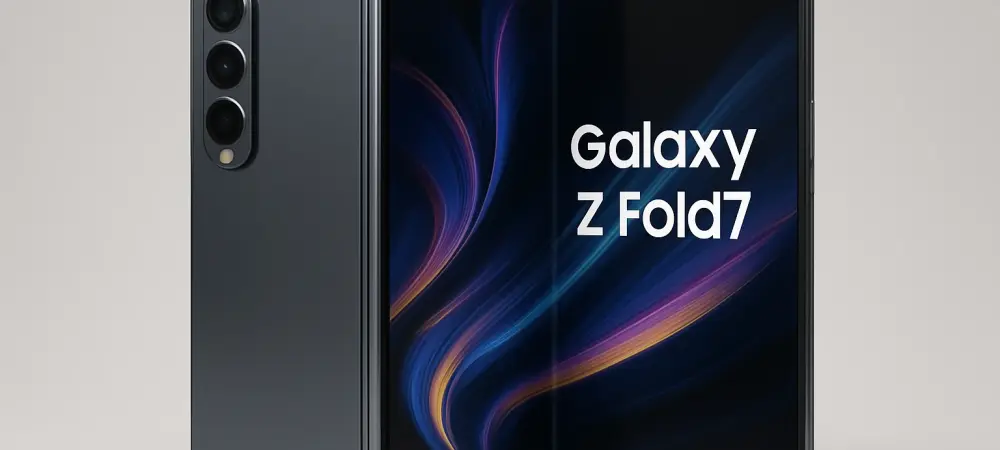
In an era where the line between smartphones and tablets is increasingly blurred, foldable technology stands out as the next leap in mobile innovation. Among the frontrunners, Samsung’s Galaxy Z Fold series has consistently pushed the envelope, merging cutting-edge design with unparalleled performance. The Galaxy Z Fold 7, with its intriguing enhancements, not only continues this tradition but sets a new benchmark for what users can expect from foldable devices. This review delves into the transformative features of the Galaxy Z Fold 7 and evaluates its impact on the market.
Exploring Foldable Technology: The Future is Now
Foldable smartphones have redefined possibilities within the tech industry as flexible displays and innovative hinges break traditional bounds. The technology, pioneered through iterations of the Galaxy Z Fold series, has brought previously unimaginable designs into the mainstream. From enhancing multitasking to providing expansive screen real estate, foldables transform user interactions, aligning with the growing demand for versatile devices in the digital age. Foldable technology stands as a testament to modern engineering accomplishments. Where once rigid screens and frames were the norm, today’s foldables boast dynamic displays that merge phone and tablet functionalities. This innovation positions Samsung’s Galaxy Z Fold 7 as a critical player in a rapidly evolving landscape, pushing boundaries across industries from entertainment to business.
Galaxy Z Fold 7: An In-Depth Feature Analysis
Redesign and Thin Form Factor
The Galaxy Z Fold 7’s design marks a significant evolution, presenting a sleeker, thinner profile compared to its predecessors. Its 3.9mm thickness when unfolded and 8.9mm when folded make it the thinnest foldable available. Accompanied by an enhanced hinge mechanism, this redesign improves the fold’s durability, offering a premium feel. Samsung’s strategic focus on minimizing bulk resonates with users seeking portability without compromising functionality, ensuring the device remains competitive against its rivals.
A modern design philosophy is evident as Samsung refines the user experience with the Galaxy Z Fold 7’s new form factor. This approach augments usability, allowing the device to seamlessly transition from a compact phone to an expansive tablet. By addressing consumer desires for sleek profiles, Samsung not only elevates the Galaxy Z Fold 7’s market position but also strengthens its appeal among tech enthusiasts.
Display Innovations and Screen Enhancements
The Galaxy Z Fold 7 introduces cutting-edge display technologies that set it apart from earlier models. The enhanced screen is not only larger but offers increased vividness and clarity. With innovations aimed at improving color accuracy and brightness, this device provides a superior viewing experience, whether for media consumption or professional use.
Beyond mere size and resolution, the Galaxy Z Fold 7’s screen innovations revolve around usability, delivering seamless multitasking with its expansive display. The device’s adaptive refresh rates and refined color profiles ensure optimal performance, whether users engage in casual browsing or intensive digital work. Such strategic improvements illustrate Samsung’s commitment to leading the foldable market through constant advancement.
Storage Variants and Operational Performance
Catering to diverse consumer needs, the Galaxy Z Fold 7 offers storage options of 256GB, 512GB, and 1TB. These variants ensure users can choose the optimal capacity for their lifestyle, whether they prioritize media storage, business data, or app-intensive activities. This range bolsters the device’s versatility, accommodating different demographic demands by providing ample storage.
Coupled with storage options, the Galaxy Z Fold 7 shines in overall performance, boasting advanced processing power that ensures efficiency without lag. This superior capability, reflecting subtle yet impactful upgrades from its predecessors, reinforces the device’s reliability for a wide spectrum of tasks, emphasizing its status as a flagship product in Samsung’s innovative lineup.
Camera and Multimedia Progressions
While substantial changes in camera technology remain unconfirmed, the Galaxy Z Fold 7 continues to deliver impressive multimedia capabilities. Its cameras maintain quality similar to previous models, ensuring continuity for users familiar with Samsung’s imaging experience. The device is poised to enhance media capture aspects, catering to photography and videography enthusiasts alike. The enduring allure of Samsung’s camera systems lies in maintaining high standards of clarity and adaptability. While no groundbreaking advancements in camera tech are apparent, the Galaxy Z Fold 7 remains a formidable choice for multimedia consumption and production, maintaining consistency with its storied pedigree.
Market Dynamics and Emerging Trends
The foldable smartphone market is witnessing exciting transformations, characterized by evolving consumer behaviors and competitive positioning. Samsung remains at the forefront of these changes, leveraging innovations in design and functionality to attract tech-savvy consumers. As foldables gain traction, this trend signals a burgeoning shift in the tech landscape, indicating potential mainstream adoption. Competitors like Vivo and others are also influencing market strategies, pushing Samsung to remain innovative and responsive. These dynamics showcase a vibrant landscape where every advancement holds the potential to redefine what users expect from mobile devices. The Galaxy Z Fold 7’s enhancements solidify Samsung’s stature in this intricate market, maintaining its edge in the foldable space.
Practical Applications and Industry Impacts
The Galaxy Z Fold 7’s capabilities make it a game-changer across various domains. Its utility in business environments offers enhanced productivity through multitasking capabilities. Additionally, it caters to media consumption demands with a stunning display and flexible design, while mobile gaming benefits from improved graphical performance and screen size.
Indispensable in industries like sales, design, and entertainment, the Galaxy Z Fold 7 showcases practical versatility. These applications highlight not only the device’s transformative potential within professional circles but also its adaptability to individual user needs. Overall, the foldable serves to bridge performance and functionality in real-world scenarios, exemplifying technological progression.
Addressing Challenges and Navigating Limitations
Despite its advantages, foldable technology faces ongoing challenges, such as durability concerns and high costs. The Galaxy Z Fold 7 addresses these through improved design features and robust build quality, yet price remains a hurdle for some consumers. Furthermore, software optimization remains crucial to ensuring optimal functionality and user satisfaction.
Market barriers and regulatory issues also pose challenges, with adoption rates varying across regions. Samsung’s strategies are crucial in overcoming these obstacles, ensuring their devices remain attractive even amid high production costs. Continuous innovation and marketing acumen are essential to advancing foldable tech further on a global scale.
Looking Ahead: The Future of Foldable Innovation
The future of foldable smartphones looks promising, brimming with potential breakthroughs and technological advancements. Samsung’s Galaxy Z Fold 7 sets a precedence for these developments, influencing future iterations as foldables become more mainstream. Intriguing possibilities include lighter materials, enhanced battery life, and more complex software integration. As the mobile industry evolves, foldables are expected to redefine user interactions and lifestyle habits, combining mobility with performance. Samsung’s proactive approach in the foldable segment aligns with broader trends where technology becomes more personalized and seamlessly integrated into everyday life.
Final Assessment and Verdict
The Galaxy Z Fold 7 encapsulates Samsung’s commitment to innovation within the folding smartphone sector. With meaningful improvements in design, performance, and functionality, it represents a significant step forward for foldables. Although challenges persist, especially concerning price and durability, the device positions itself as a luxury choice for discerning consumers. Consequently, the Galaxy Z Fold 7 continues Samsung’s tradition of pioneering technology while envisaging a bold future for mobile innovation.