

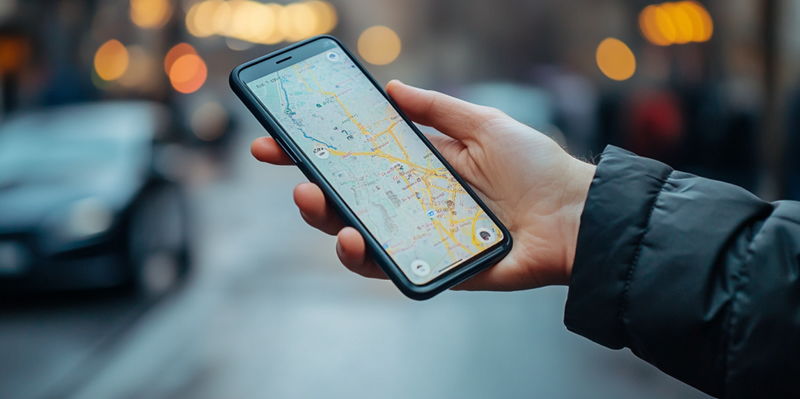
The Federal Trade Commission’s recent decision to prohibit data brokers Gravy Analytics and Mobilewalla from collecting, using, or selling sensitive location data marks a pivotal moment in the battle for consumer privacy. These settlements, which came about due to the companies’ violations of privacy laws, require the deletion of previously gathered data and the establishment of stringent controls to prevent future breaches. The collected data included granular location details pinpointing Americans’ visits to sensitive sites, such as healthcare facilities, military bases, and religious institutions, raising significant privacy concerns and potential threats beyond typical phishing attempts.
Violation of Privacy Laws
According to the FTC, Gravy Analytics and Mobilewalla violated privacy laws by collecting and selling detailed location data without obtaining consumer consent. This sensitive data was sold to third parties, including advertisers and government agencies, facilitating the identification of individuals’ visits to critical locations. This practice introduced risks of stalking, harassment, and other privacy infringements. Particularly alarming was the use of this data to track attendees of the 2020 Black Lives Matter protests, providing insights into their health, political, and religious activities, which heightened concerns about misuse. To address these issues, the FTC’s settlements require the companies to stop collecting and selling location data from sensitive places, establish programs to block data from these locations, and delete any previously collected location data immediately.
Broader Focus on Consumer Privacy
The FTC’s actions are part of the Biden administration’s broader emphasis on protecting consumer privacy, reflecting growing scrutiny on data brokers. This is particularly significant in today’s digital landscape, where individuals’ sensitive information can be exploited without their knowledge or consent. The settlements with Gravy Analytics and Mobilewalla not only halt their current practices but also prohibit misrepresentation of collected data’s use and protection. Public comments on the settlements are invited for 30 days before finalization, illustrating the importance of transparency in this regulatory process. The actions underscore the government’s commitment to safeguarding personal privacy and highlight the necessity for stringent measures to manage data brokers’ activities.
Ensuring Compliance and Enhancing Privacy
The Federal Trade Commission’s (FTC) recent action against data brokers Gravy Analytics and Mobilewalla represents a significant advance in protecting consumer privacy. The FTC has banned these companies from collecting, using, or selling sensitive location data, following findings that they had violated privacy laws. Consequently, these firms must now delete the data they previously gathered and implement rigorous safeguards to prevent future privacy violations. The data in question included highly detailed location information that could reveal Americans’ visits to sensitive locations, such as healthcare facilities, military bases, and places of worship. This raised serious privacy concerns and potential risks, extending beyond typical phishing threats. This decisive move by the FTC underscores the growing emphasis on stringent privacy protections and the need to hold companies accountable for safeguarding sensitive information. It also serves as a warning to other data brokers about the serious repercussions of mishandling personal data.