

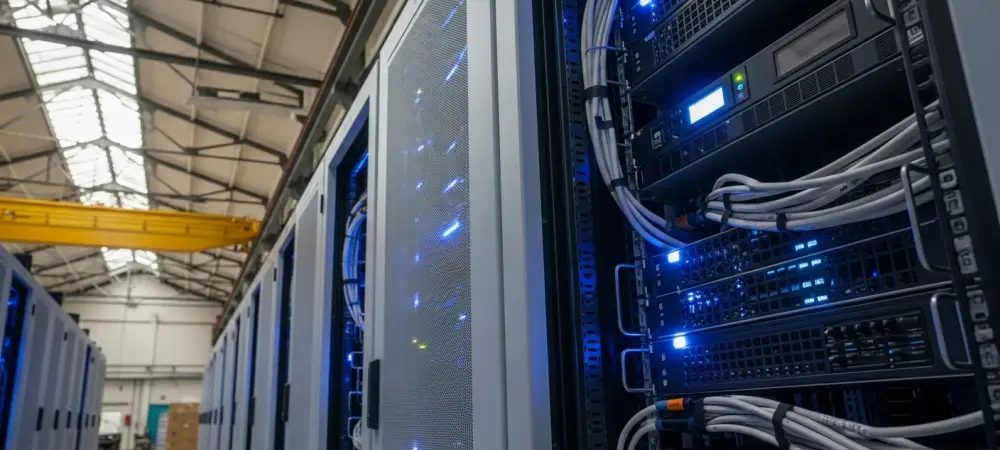
The sprawling industrial skeleton of the historic Remington Arms facility in Ilion, New York, is currently undergoing a radical metamorphosis as it transitions from a center of traditional firearms manufacturing into a high-capacity 200MW data center campus. This shift signifies a broader trend across the Rust Belt where legacy infrastructure is being revitalized to meet the insatiable power and cooling demands of modern artificial intelligence and cloud computing clusters. Turin Hoefler Avenue LLC, the entity spearheading the redevelopment, has recently moved forward with a critical Brownfield Cleanup Program application through the New York Department of Environmental Conservation. The 32-acre site, which remained a cornerstone of American mechanical production for over two centuries, now necessitates extensive environmental remediation before it can safely host high-tech hardware. Decades of heavy industrial use left behind a complex legacy of oil-filled transformers and subsurface petroleum storage, requiring a meticulous decontamination process that must be completed to ensure the long-term viability of the proposed digital hub.
Site Revitalization: Environmental Remediation and Structural Evolution
The technical execution of the project involves the partial demolition of the existing 1.1-million-square-foot manufacturing plant to facilitate the construction of two specialized data centers, each encompassing approximately 250,000 square feet. This strategic repurposing is divided into distinct phases, with the primary server farms slated for designated sectors known as Sites C and E. To support the massive energy requirements of these facilities, Site D will be transformed into a dedicated power substation, providing the robust electrical backbone necessary for 200MW operations. This infrastructure represents a capital investment estimated between $2 billion and $3 billion, a figure that highlights the immense scale of modern digital expansion. By utilizing existing industrial footprints, the developers are leveraging previous zoning and grid connectivity, though the transition requires modernizing every utility connection to support liquid cooling systems and high-density rack configurations. This evolution effectively bridges the gap between 19th-century mechanical labor and the automated, data-driven economy that defines current industrial priorities.
Economic Transformation: Impacts and Future Regional Strategies
While the project promised significant financial inflow for Herkimer County, it also prompted complex discussions regarding the loss of the local manufacturing identity following the closure of the original factory. The departure of RemArms ended an era of gun production that had defined the village for generations, and the community initially struggled with the displacement of roughly 300 skilled workers. Local residents voiced their concerns through organized petitions, emphasizing a desire to preserve the historical integrity of the site while questioning the long-term job creation potential of automated server farms. Nevertheless, regional planners recognized that the path forward necessitated a focus on sustainable land use and environmental restoration. Stakeholders determined that the most effective strategy for legacy towns involved aggressive pursuit of brownfield grants to offset the high costs of industrial cleanup. This approach allowed for the successful conversion of hazardous sites into productive assets, ensuring that former manufacturing hubs remained relevant within the global supply chain for digital services.