

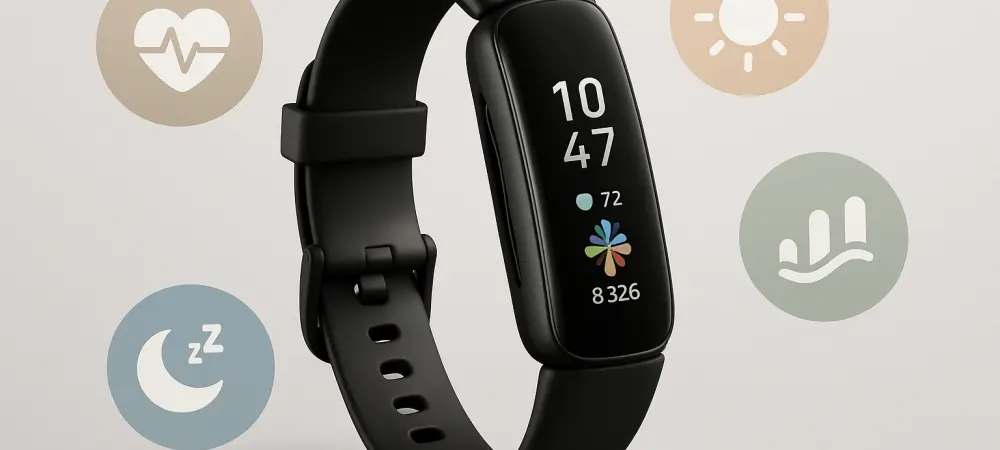
In the ever-evolving landscape of fitness technology, affordability and innovation are not always synonymous. However, the Fitbit Inspire 3 sets the narrative apart, offering advanced monitoring capabilities intertwined with affordability, providing an excellent option for beginners and budget-conscious shoppers alike. As it showcases competitive edges with its discounted price during Amazon Prime Day, it intrigues the attention of many, offering a compelling purchase option compared to last year’s offerings. The marriage of functional simplicity and technology demonstrates a growing trend in making fitness tech accessible to a wide audience.
Unveiling Fitbit Inspire 3 Technology
The Fitbit Inspire 3 emerges as a pivotal evolution in fitness tracking, embodying the core principles of accessibility and effectiveness. Aimed specifically at the broader demographic, the device positions itself in an expansive technological landscape replete with smart fitness wearables. Its birth within this paradigm signifies a shift toward incorporating essential technological features at a budget-friendly price, inviting new users to delve into fitness tracking without the hassle of complexities.
Noteworthy Features and Integral Components
Step Counting and Heart Rate Monitoring
Key to the Inspire 3’s system is its precision in step counting and heart rate monitoring. It efficiently tracks steps with high accuracy, providing users with critical insights into their daily activity. The heart rate monitoring not only aids in tracking workouts but also plays a significant role in overall health management. This continuous monitoring ensures users have reliable data to assess their physical condition over time, enhancing personal health decisions.
Monitoring Sleep Patterns and SpO2 Levels
Beyond basic tracking, Fitbit Inspire 3’s inclusion of sleep and SpO2 monitoring elevates its value. By analyzing sleep stages and providing a detailed overview of sleep quality, the device supports users in improving sleep hygiene. Additionally, the SpO2 feature, typically reserved for high-end models, offers critical data on blood oxygen levels. This inclusion underscores the gadget’s promise of delivering sophisticated technology to the masses.
Progress and Emerging Patterns
The field of fitness technology continuously advances, evidenced by the novel developments seen in devices like the Inspire 3. Emphasizing both function and cost-effectiveness, the tracker aligns itself with the broader industry trend of democratizing technology. It responds effectively to changing consumer behavior, where users seek devices that not only track fitness metrics but also fit within their financial constraints, influencing purchasing decisions and driving market growth.
Pragmatic Implementations
Real-world applications of the Fitbit Inspire 3 are as diverse as they are practical. Its adaptability resonates with various sectors, including healthcare, where accurate activity and biometric data inform preventive and wellness strategies. Moreover, its water resistance makes it a viable tool for swimmers, extending its functionality beyond traditional boundaries. This pragmatic approach emphasizes the versatility and effectiveness of the device across different environments and user needs.
Navigating Challenges and Restrictions
Despite its strengths, the technology encounters limitations. Technical challenges such as ensuring precision across various metrics and catering to demanding athlete communities present obstacles. Furthermore, existing regulatory templates may hinder comprehensive approvals necessary for health applications. Nonetheless, ongoing innovations and adjustments within the industry strive to overcome these barriers, steering the technology toward improved functionality and acceptance.
Forecasting Future Trajectories
Looking ahead, the trajectory of Fitbit Inspire 3 technology suggests promising evolutions focusing on deeper integration with artificial intelligence and enriched user experiences. Potential advancements might include enhanced data analytics and more personalized insights, contributing to proactive health management. As technology matures, the device’s impact on how society perceives and interacts with fitness monitoring is poised to grow, influencing trends and expectations in the industry.
Summative Insights
Throughout this review of the Fitbit Inspire 3, the recurring theme of accessibility and advanced monitoring emerged. The device, currently a potent combination of affordability and innovation, offers users exceptional capability without detailed complexity. As it evolves, it not only broadens the scope of fitness technology but also amplifies consumer expectations, paving the way for future advancements likely to further enrich the landscape of wearable tech.