

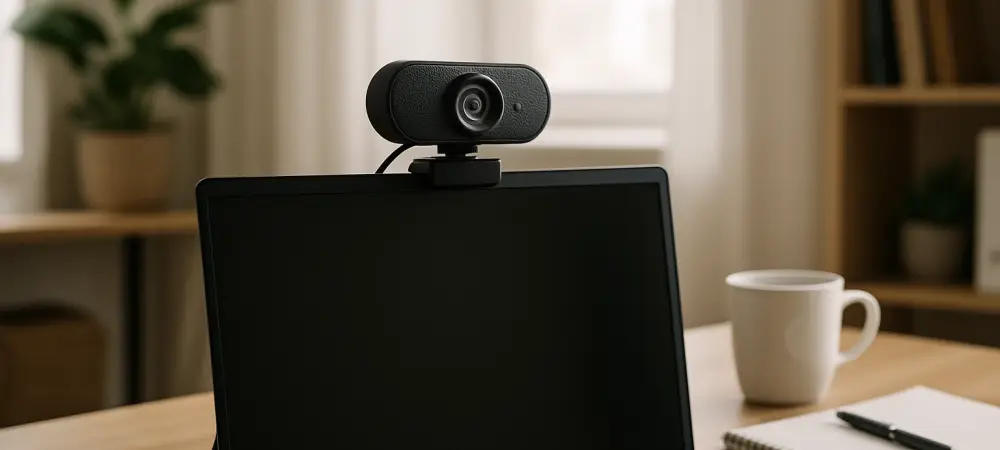
From Boardrooms to Zoom Rooms: The Webcam Revolution
In today’s professional world, video conferencing isn’t just a trend—it’s a necessity that’s reshaping communication norms. Recent statistics reveal an astounding 250% surge in the use of video calls, underscoring their critical role in maintaining effective remote work setups.
The Significance of Choosing the Right Webcam
The shift toward remote work has transformed webcams from optional accessories to essential pieces of professional equipment. A high-quality webcam can dramatically enhance communication and presentation, ensuring crystal-clear visuals that project professionalism and authenticity. It influences how individuals are perceived and plays a pivotal role in fostering meaningful connections without the physical presence once deemed necessary in traditional settings.
Essential Features for Superior Image Quality
When it comes to image clarity, resolution and refresh rate serve as the primary benchmarks. Webcams with at least 1080p resolution suffice for most professional needs, delivering sharp images that maintain a polished appearance. However, for those requiring the pinnacle of detail, a 4K resolution is ideal, offering unparalleled visual fidelity. Meanwhile, the refresh rate affects video smoothness; a frequency of 60Hz provides fluid motion essential for dynamic presentations and interactions.
Achieving Premium Audio Quality
While video clarity is imperative, audio performance is equally crucial. The built-in microphones in webcams often fall short of delivering high-quality sound needed for professional discussions. Experts frequently advise utilizing standalone microphones to ensure impeccable audio, enhancing the overall quality of remote communication and preventing potential misunderstandings triggered by subpar sound.
Enhancing User Convenience Through Webcam Features
Modern webcams incorporate advanced features such as autofocus and low-light capabilities that significantly hone the user experience. Autofocus keeps the subject crisp and clear as they move about, relieving users from nuisances like manual adjustments. Moreover, the ability to perform well in varying lighting conditions ensures the user maintains a professional appearance, whether under direct sunlight or while in a dimly lit home office.
Privacy Considerations in Webcam Use
Privacy covers serve as critical safeguards against unauthorized access to your webcam. With cybercriminal activity on the rise, these accessories shield users from potential intrusions. Reports of webcam hacking incidents serve as stark reminders of the importance of protecting one’s privacy, making these covers an indispensable part of the remote work toolkit.
Evaluating Connectivity and Mounting Options
Reliable physical connection remains integral to the effectiveness of webcam use. With common connectors like USB-A and USB-C, ensuring compatibility with existing hardware avoids interruptions during crucial professional interactions. Additionally, the choice of mounting systems, such as clip mounts or adhesive methods, influences device stability and adjustability, lending to an optimal user setup.
Building Toward Durability and Longevity
The choice of materials contributes significantly to a webcam’s durability. Metal components typically offer greater longevity compared to their plastic counterparts. The use of glass lenses further distinguishes webcams of higher quality, ensuring superior visual performance and longer-term use, thereby serving as a sound investment in one’s professional arsenal.
Balancing Cost Against Feature Requirements
Price alignment with essential features is a key consideration for those purchasing a webcam intended for remote work. Striking a balance avoids overspending on unnecessary capabilities while ensuring the essential functions meet professional standards. A strategic approach to pricing ensures that your investment yields the best possible outcome in maintaining work efficiency and effectiveness.
In retrospect, those seeking to refine their remote work setups found that comprehensive knowledge and careful selection of webcams equipped individuals for virtual success. By prioritizing key attributes like video and audio quality, adaptability features, and robust security measures, users effectively navigating digital landscapes are now savvy, ensuring professional excellence in the world of remote work.