

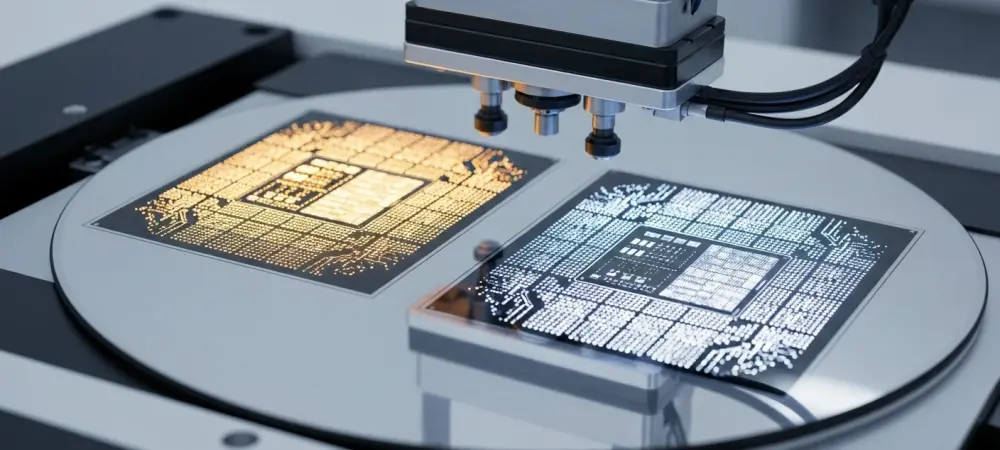
The relentless annual cycle of mobile innovation once again brings the industry’s heaviest hitters into the ring, setting the stage for a technological showdown that will define the next generation of flagship smartphones. At the heart of this contest are the two most anticipated mobile processors: Samsung’s in-house Exynos 2600 and Qualcomm’s powerhouse Snapdragon 8 Elite Gen 5. These chipsets represent the pinnacle of mobile engineering, and their rivalry is not just about raw power but about shaping the user experience for millions worldwide.
Introduction to the Next-Generation Flagship Chipsets
For years, Samsung and Qualcomm have been the undisputed leaders in the premium Android processor space. Samsung’s Exynos series has consistently pushed the boundaries of mobile computing, while Qualcomm’s Snapdragon line has become synonymous with high-end performance and broad device support. This year, the focus shifts to the Exynos 2600 and the Snapdragon 8 Elite Gen 5, two chipsets destined to power the upcoming Samsung Galaxy S26.
This rivalry is particularly significant due to Samsung’s long-standing dual-chip strategy for its Galaxy S-series. The company traditionally equips its flagship phones with Exynos processors in regions like South Korea and Europe, as seen with a recently benchmarked Galaxy S26 prototype (SM-S942N) on Geekbench. Meanwhile, markets such as the United States, Japan, and China typically receive versions powered by the latest Snapdragon chip. This approach makes a direct comparison between the Exynos 2600 and the Snapdragon 8 Elite Gen 5 crucial for consumers and analysts alike.
Head-to-Head Technical Breakdown
CPU Architecture and Core Configuration
Early benchmarks have provided a compelling glimpse into the Exynos 2600’s architecture. The processor is built on a 10-core configuration, a notable design choice that aims to balance high-intensity performance with everyday efficiency. A key highlight is its prime core, which is clocked at an impressive 3.80GHz, signaling a clear focus on delivering exceptional single-threaded speed for demanding applications and responsive system navigation.
In contrast, while the official specifications for the Snapdragon 8 Elite Gen 5 are yet to be revealed, it is expected to follow Qualcomm’s successful formula of a multi-tiered core cluster. The competitive landscape suggests it will feature a powerful prime core of its own, alongside performance and efficiency cores designed to rival the Exynos’s multicore capabilities. The primary battleground will be how each manufacturer has optimized its core layout to handle diverse workloads on the upcoming Android 16 platform.
Benchmarked Performance and Raw Power
The first performance indicators for the Exynos 2600 come from a Geekbench test of a Samsung Galaxy S26 prototype equipped with 12GB of RAM. The device achieved a single-core score of 3,315 and a multi-core score of 11,310. These preliminary figures are promising, suggesting that the Exynos 2600 is engineered to provide a fluid and powerful user experience, capable of handling intensive gaming, high-resolution video editing, and seamless multitasking.
These scores set a high bar for the Snapdragon 8 Elite Gen 5. The ultimate measure of performance will depend on how these raw numbers translate to real-world usage. For the Exynos 2600, the high single-core score points to quick app launches and snappy interactions, while the robust multi-core result indicates a strong capacity for managing numerous background processes without slowdown. The Snapdragon counterpart will need to meet or exceed these metrics to maintain its reputation for class-leading performance.
Ecosystem Integration and Feature Support
A modern System on a Chip (SoC) does far more than just process data; it is the brain that orchestrates the entire device experience. Both the Exynos 2600 and Snapdragon 8 Elite Gen 5 are expected to be tightly integrated with the Samsung Galaxy S26’s hardware. This includes driving its rumored 6.3-inch display, which boasts a 120Hz dynamic refresh rate and an exceptionally bright 2,600 nits peak brightness, requiring immense graphical processing power.
Furthermore, the chipset’s Image Signal Processor (ISP) plays a critical role in photography. The SoC will be responsible for processing data from the sophisticated triple-camera system, which includes a 50MP main sensor, a 12MP ultrawide lens, and a 10MP telephoto camera. Beyond performance, the chip’s efficiency will directly impact the longevity of the 4,300mAh battery, working in tandem with the 25W charging system to deliver a reliable all-day experience.
Challenges and Regional Implications
Samsung’s dual-chip strategy presents a unique and persistent challenge: maintaining performance and efficiency parity between the Exynos and Snapdragon variants of the Galaxy S26. Historically, there have been noticeable differences between the two versions, with one often excelling in raw CPU power while the other might offer better battery life or thermal management. Closing this gap is essential for delivering a consistent global user experience.
This regional split has significant implications for consumers. A buyer in Seoul and a buyer in New York will purchase a phone with the same name, design, and features, yet the underlying processor will be different. This can lead to variations in gaming performance, camera processing times, and overall battery endurance, making the choice of region an unwitting factor in the device’s capabilities. Consequently, prospective buyers often scrutinize early reviews to see which chip offers the better all-around package.
Conclusion and Future Outlook
The initial look at the Exynos 2600 revealed a formidable processor, defined by its 10-core architecture, a blistering 3.80GHz prime core, and strong Geekbench scores. This positions it as a serious contender against the anticipated strengths of the Snapdragon 8 Elite Gen 5, setting the stage for one of the most compelling chipset rivalries in recent memory. The performance of these SoCs will directly shape the capabilities of the Samsung Galaxy S26. For potential buyers of the Galaxy S26, the key takeaway was that the processor inside their device would be predetermined by their geographic location. This reality meant that users in Europe and South Korea could expect the Exynos 2600, while those in the US and China would receive the Snapdragon 8 Elite Gen 5. Understanding the nuanced differences between these two chips was therefore crucial for setting realistic performance expectations.
Ultimately, while the early benchmarks for the Exynos 2600 were highly encouraging, a final verdict remained elusive. The true champion of this generation could only be crowned after both chipsets were launched in commercial devices and subjected to comprehensive, side-by-side testing. Only then would the real-world performance, efficiency, and overall user experience of each variant become clear.