

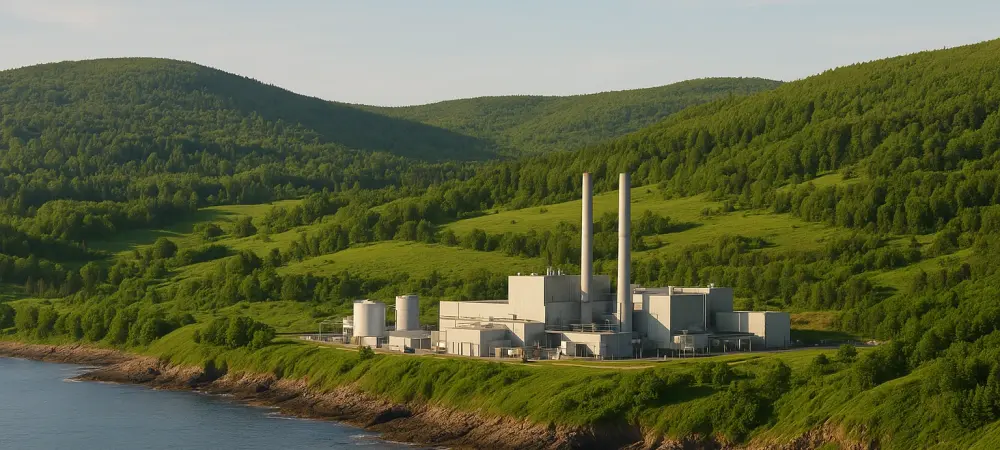
The convergence of intensive digital infrastructure and carbon-neutral fuel production is creating a groundbreaking economic blueprint for the redevelopment of aging industrial corridors in North America. By integrating data centers into its Point Tupper hub, EverWind Fuels is bridging the gap between heavy chemical manufacturing and the digital economy. This expansion maximizes the utility of renewable assets while fostering a diverse ecosystem in Richmond County. This strategy highlights a shift toward multi-faceted hubs that serve both the physical needs of green fuels and the virtual requirements of global data processing.
Industrial Evolution: Repurposing the Legacy of Point Tupper
Point Tupper was formerly a major Gulf Oil refinery that closed in the 1970s, leaving the site underutilized for decades as a fossil fuel relic. Today, this brownfield land is being reborn as a cornerstone of the green energy transition. By leveraging existing deep-water access and industrial zoning, EverWind is proving that legacy infrastructure can support the climate goals of the present. This evolution reflects a global trend where former industrial areas are reimagined as sustainable complexes that support both energy production and high-tech demands.
Market Synergy: Green Ammonia and Data Processing
Production Scaling: Meeting Global Energy Demands
The project aims to produce 200,000 tonnes of green ammonia annually by 2029, with plans to later quintuple that output. Integrating data centers allows EverWind to optimize energy loads by providing a consistent baseload for the renewable energy generated on-site. This ensures that the power produced by expansive wind farms is used efficiently, even during periods when fuel production levels fluctuate. This load-balancing capability is essential for maintaining the economic viability of large-scale hydrogen facilities while providing green energy to the digital sector.
Indigenous Partnerships: Securing Economic Stability
Collaboration with the Mi’kmaq people through an Indigenous consortium led by Membertou First Nation secures a 650MW grid-connected power supply. By including local communities in the ownership and development stages, EverWind ensures long-term social and economic stability. The addition of data centers further diversifies the local labor market, offering high-tech job opportunities that complement the specialized labor required for green fuel manufacturing. This partnership model serves as a benchmark for inclusive industrial growth in the renewable energy sector.
Grid Independence: The Impact of Direct Transmission
EverWind plans to bypass the provincial grid by constructing a dedicated transmission line across the Strait of Canso. This behind-the-meter strategy is particularly attractive to data center operators, as it provides a direct, uninterrupted supply of renewable power. By avoiding the bottlenecks and regulatory complexities of the public grid, EverWind offers a reliable and cost-effective energy source. This direct connection mitigates the risks typically associated with energy-intensive computing operations in volatile markets.
Emerging Trends: The Rise of Industrial Clustering
As Nova Scotia moves to phase out coal-fired power by 2029, this project becomes a blueprint for future industrial developments. We expect to see further innovations, such as using waste heat from servers for industrial processes or utilizing hydrogen fuel cells as backup power for data centers. This approach attracts investment from global tech giants looking to satisfy carbon-neutral commitments through sustainable operations. This clustering effect reduces total carbon footprints while lowering costs through shared infrastructure.
Market Insights: Lessons for a Greener Economy
The EverWind expansion offers several key lessons for stakeholders in the energy and tech sectors. First, site repurposing is a powerful tool for revitalization, turning old liabilities into green assets. Second, diversifying a business model to include both fuel and data creates a resilient revenue stream. For businesses, the takeaway is clear: success in the green transition requires a holistic approach that combines renewable generation with high-value digital services. Investors should prioritize projects that emphasize local partnerships as the most stable long-term bets.
Strategic Outlook: Building a Connected Industrial Frontier
The decision to merge data processing with green fuel production successfully established a new paradigm for Atlantic Canada. This initiative proved that historical industrial strengths and modern digital needs were not mutually exclusive but were instead complementary forces. By securing direct transmission and fostering deep Indigenous partnerships, the project laid the groundwork for a more resilient and sustainable regional economy. The success of this hub functioned as a clear indicator that the future of the green transition depended on creative, cross-sector collaboration and adaptive infrastructure.