

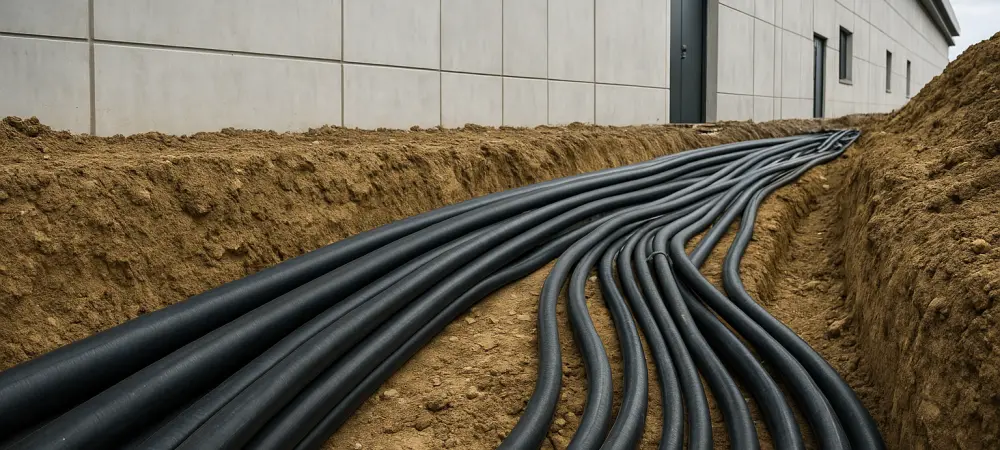
The digital revolution is currently hitting a physical wall where the invisible flow of data meets the unyielding limitations of a century-old copper and steel power grid. While the global appetite for artificial intelligence and cloud computing grows exponentially, the physical infrastructure required to energize these systems has become a secondary concern that now threatens to stall progress. This tension creates a profound power paradox: the software of tomorrow is already here, but the electrical architecture to run it remains stuck in the twentieth century.
The grid bottleneck has officially emerged as the primary obstacle for digital expansion, moving far beyond previous concerns about hardware availability or software efficiency. Developers and tech giants now face a reality where securing a site and high-end chips is easier than securing a stable connection to the local utility. This shift marks a new era where energy availability, rather than technological ingenuity, dictates the boundaries of what can be built and where.
This analysis explores the widening gap between energy supply and digital demand, using recent redevelopment proposals as a lens to view the crisis. It examines the desperate rise of off-grid interim solutions and the long-term outlook for a sector that must reinvent its relationship with the electrical grid to survive. As high-voltage connections become a luxury, the industry is forced to reconsider the very nature of sustainable digital growth.
The Growing Gap Between Digital Demand and Energy Supply
Statistical Surge in Data Center Power Requirements
The disparity between proposed IT loads and existing secured grid power has reached a critical breaking point. It is no longer uncommon to see proposals for facilities requiring 110MW of capacity while the local grid can only provide a meager 1.8MW of immediate connection. This massive deficit highlights a systemic failure to forecast the sheer intensity of the current AI-driven infrastructure boom. Current data suggests that global power grid upgrades are lagging nearly a decade behind the rapid development cycles of technological infrastructure. While a new data hall can be constructed in eighteen months, a high-voltage substation upgrade frequently takes ten to twelve years from planning to completion. This timeline mismatch has created a stagnant queue of projects that are ready to operate but lack the spark to begin.
In response to this scarcity, various governments have begun designating data centers as critical national infrastructure. While this status provides some level of priority in planning, it also forces a difficult conversation about how to ration electricity between essential public services and the digital backbone of the economy. This categorization often highlights the growing friction between the needs of the local population and the demands of global tech platforms.
Case Study: The Thames Valley Park Redevelopment
A primary example of this energy friction is the current redevelopment proposal for the Thames Valley Park campus in Reading. The project involves a capital investment exceeding £200 million to demolish existing office space and construct a modern 72MW data center facility. However, the site’s transition from a standard workplace to a high-density compute hub has revealed a staggering shortfall in available grid capacity. To bridge this energy gap, the developer plans to utilize natural gas-fed solid-oxide fuel cells as a decade-long interim solution starting in 2028. This strategy allows the facility to begin operations while awaiting a permanent grid connection that is not scheduled for completion until roughly 2037. Although these fuel cells are more efficient than traditional combustion, they highlight a desperate move toward “off-grid” self-sufficiency.
The environmental trade-offs of such a strategy are complex and often contradictory. The project claims a significant 22.69% net gain in biodiversity and proposes exporting waste heat to a district network for local schools and hospitals. Nevertheless, environmental assessments acknowledge that relying on natural gas for nearly ten years locks in a high carbon emission profile, creating a direct conflict with national net-zero ambitions.
Industry Perspectives on the Energy Bottleneck
Property investors and tech giants are currently trapped in a developer’s dilemma where they must balance immediate capital investment against the uncertainty of utility timelines. The risk of stranded assets is high if a facility is completed but remains disconnected for years. Consequently, developers are increasingly willing to pay a premium for sites that already possess existing high-voltage permits, regardless of their physical condition or location.
Moreover, the friction between climate advocacy and digital necessity is reaching a fever pitch. Experts point out that while data processing power is essential for modern life, the immediate reliance on transition fuels like gas to power these hubs undermines long-term sustainability goals. This has led to a shift in how projects are pitched to local authorities, with a newfound focus on community benefits and heat reuse to secure planning approval.
Industry leaders are also moving toward urban integration models that prioritize smaller, more efficient footprints over the massive sprawling campuses of the past. By integrating into district heating networks, data centers are attempting to transform from energy drains into productive local utilities. This shift is not just about environmentalism; it is a strategic survival tactic to gain favor in a world where power is a finite and tightly controlled resource.
The Future of Decentralized Power and Infrastructure
The coming years will likely see data centers evolve into “prosumers” that generate, store, and manage their own power independently of the national grid. The integration of hydrogen fuel cells and modular reactors directly on-site is becoming a serious consideration for facilities that cannot afford a decade-long wait. This move toward self-sufficiency would effectively decouple the growth of the digital economy from the sluggish pace of public utility upgrades.
However, the long-term viability of transition fuels like biomethane remains a significant sustainability hurdle. If the industry becomes reliant on fossil-fuel bridges for too long, it risks creating a “green” digital divide where only the wealthiest companies can afford to invest in truly renewable on-site generation. This could leave smaller operators struggling with high carbon taxes and unstable power costs. Policy evolution will eventually mandate that data centers be built only where power is most efficient to deliver. We will likely see a shift in planning applications where proximity to existing renewable energy clusters becomes the most important factor in site selection. This geographic reorganization will redefine the digital map, moving infrastructure away from traditional financial hubs and toward regions with abundant, accessible energy. The investigation into grid bottlenecks revealed that the electrical grid, rather than technological capability, functioned as the defining constraint for the digital economy. It was observed that the path forward required a radical synchronization of national energy policy with digital infrastructure ambitions to prevent the locking in of carbon-intensive solutions. The study established that future success depended on the rapid deployment of on-site generation and the prioritization of power-efficient site selection to navigate the hurdles of a resource-constrained era. Industry leaders recognized that waiting for centralized utilities was no longer a viable strategy for maintaining competitive innovation cycles.