

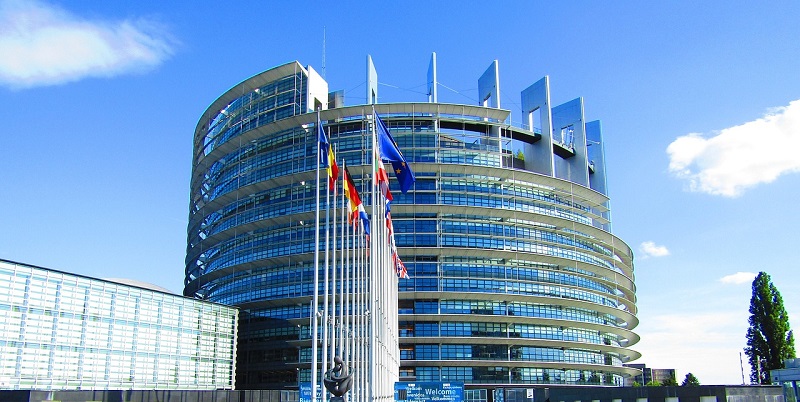
One such debate has been over the need for comprehensive regulations for AI, which can ensure its responsible use and promote public trust in the technology. Recently, the European Parliament approved the draft of the EU’s AI Act, taking a significant step towards establishing the first comprehensive set of regulations for AI in the Western world.
Approval of the EU’s AI Act by the European Parliament
The draft legislation sets out regulations for AI developers and users, covering a wide range of AI applications and systems. According to the legislation, AI systems that pose significant harm to people’s health, safety, fundamental rights, or the environment will be classified as “high risk.” Additionally, AI systems that could be used to influence voters and the outcome of elections will also be included in this classification. The new regulations will apply to companies situated both inside and outside the EU, but will cater to EU citizens with any AI systems and services. The legislation did not pass unanimously. The final vote on the legislation was 499 in favor, 28 against, and 93 abstentions. This represents the diversity of opinions on how AI should be regulated in the EU. Notably, some members of the center-right European People’s Party faction have opposed a total ban on the use of biometrics, which could hamper crime-solving and counter-terrorism efforts. The draft legislation is still subject to change, as each EU country needs to agree on the bill before it becomes law. This process could take several months, if not years, as different nations and political parties may have different views on the rules and scope of regulations.
AI systems that could cause significant harm will be classified as “high risk”
Including those that could be used to influence elections. The European Parliament’s AI Act defines specific criteria for high-risk AI systems. Such criteria include systems that autonomously operate critical infrastructures like transport, energy, and finance. High-risk AI applications are also those that determine access to education or professional opportunities, as well as those used in health services. The legislation’s goal is to uphold ethical and responsible use of the technology and to prevent outcomes that could result in significant harm to individuals or society. Companies developing and using AI systems in the EU will need to comply with the AI Act, which creates a regulatory framework for AI. This applies to businesses developing and/or using EU systems, even if they are situated outside the EU but offer AI systems and services to EU citizens. It is important for these companies to take note of the progression of the AI Act.
The EU’s new regulations on AI demonstrate its preparedness to lead the way in global governance and accountability for AI. Although it may take some time for each member state to reach a consensus on the regulations, the draft legislation establishes a basis for future AI regulations, and also addresses crucial issues of privacy and security. By prioritizing users in AI development, the region can assure that the benefits of AI are felt throughout society. Overall, the EU’s AI regulations have the potential to motivate governments across the world to adopt comprehensive and responsible regulations for AI.