

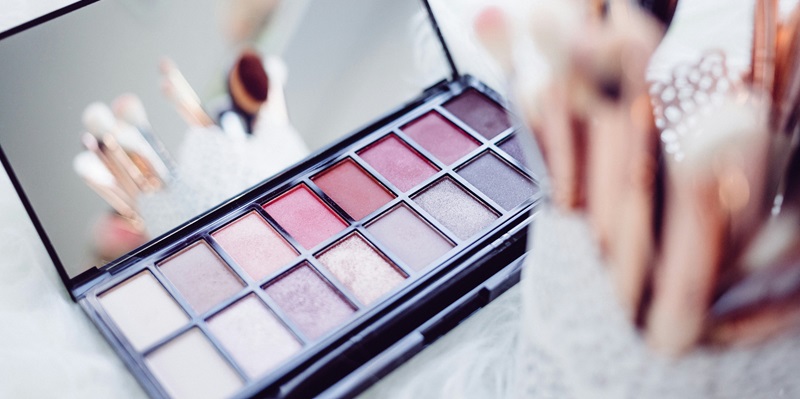
The beauty industry is undergoing a transformative change thanks to Estée Lauder Companies (ELC) and their new AI Innovation Lab, developed in partnership with Microsoft. This innovative initiative aims to leverage Microsoft’s Azure OpenAI service to infuse generative AI deeply into ELC’s business strategy. This technological integration promises a redefined experience for customers across ELC’s vast brand portfolio. The collaboration with Microsoft allows ELC to push the envelope, merging the worlds of tech and beauty to offer an unprecedented level of personalization and efficiency. As they move forward, ELC is not just adopting AI; they are pioneering a new era where beauty and artificial intelligence coexist seamlessly, setting the stage for a future where customer interactions are enhanced by the power of cutting-edge AI solutions. This intersection of beauty and technology exemplifies how ELC is at the forefront of the cosmetic industry’s evolution, shaping a new landscape of consumer engagement.
Strategic AI Integration
The AI Innovation Lab stands as ELC’s beacon of digital transformation, driving efficiency and unveiling new paths for creativity across its corporate framework. The introduction of an advanced internal chatbot powered by Azure OpenAI Services marks the first implementation. It simplifies marketing by allowing teams to swiftly access extensive product databases and claims data. This digital assistant accelerates the launch of campaigns, attuned to discrete market idiosyncrasies and informed by insights across the global market landscape. Through this AI-powered synergy, ELC’s marketing becomes a symphony of locally resonating campaigns orchestrated at a pace previously unattainable.
In the race for innovation, ELC also leverages Microsoft’s generative AI within its research and development teams. The ability of the AI to decipher emerging trends and propose credible ingredient solutions transforms the R&D cycle, reducing reliance on time-consuming traditional research. It’s a game-changer for product development, bringing ELC’s visions to the shelves faster, addressing consumer desires more promptly, and staying ahead of the beauty curve.
Ethical AI Deployment and Diverse Partnerships
ELC is at the forefront of integrating AI ethically, creating a dedicated task force to navigate the technological ethical landscape. The company showcased its commitment to innovation and ethical AI application during the Ideathon, where employees generated AI ideas aimed at providing real benefits for business and consumers alike, demonstrating ELC’s innovative spirit.
ELC’s AI journey is collaborative, leveraging partnerships like the one with Google Cloud to harness AI for in-depth consumer sentiment analysis and personalized marketing strategies. Google’s cutting-edge AI and language models like PaLM 2 enable ELC to deeply understand consumer needs. Meanwhile, utilizing Microsoft’s tools aids in refining business processes. Together, these partnerships empower ELC to lead a dual AI approach that is redefining beauty industry standards by enhancing both operational efficiency and customer intimacy.