

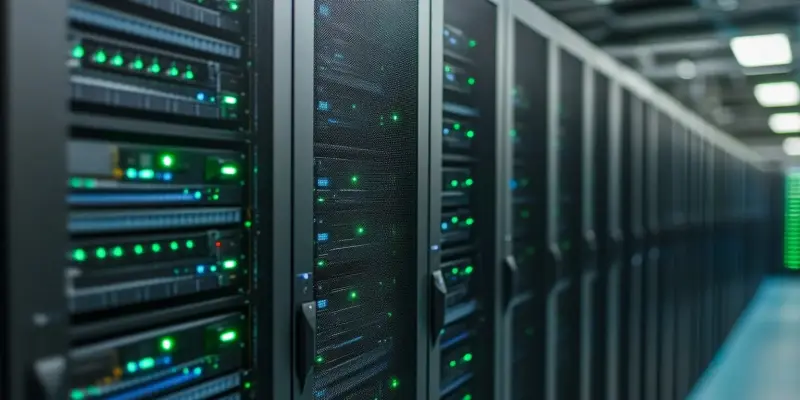
In a groundbreaking initiative, Scandinavian Data Centers has launched its first ecosystem site in Eskilstuna, significantly advancing the integration of battery energy storage, data centers, and heat recovery. This ambitious project aims to maximize societal benefits per megawatt by establishing a comprehensive energy, data, and heat ecosystem. The innovative site features energy storage in batteries to stabilize the electrical grid and repurpose residual heat from the data center for local residents, creating a sustainable model for utilizing AI to heat homes while promoting energy efficiency and climate neutrality.
Integrating Energy Storage and Heat Recovery
A Historical Site Revamped for Modern Needs
The data center is uniquely housed in a former underground facility initially used during World War II for aircraft engine production. This historically significant site has been home to a smaller data center for the past fourteen years, operated by a major Nordic IT company. The current expansion plans will significantly enhance the facility’s capacity, incorporating both traditional air-cooled and liquid-cooled data halls to accommodate higher IT loads. The increased capacity will allow the facility to channel its waste heat into the district heating system, boosting sustainability and cost-effectiveness for the Eskilstuna municipality.
The use of underground space not only leverages an existing structure but also offers a naturally cool environment that contributes to the efficiency of cooling systems. By integrating advanced cooling technologies, the data center can better manage high IT loads and prevent overheating. The dual approach of air and liquid cooling ensures that even the most demanding computational tasks can be handled efficiently. This strategic integration allows for enhanced computational power that simultaneously supports a sustainable urban environment by contributing to the local district heating network.
Enhancing the Local and Regional Electrical Grid
Scandinavian Energy Centers, a sister company, operates an adjacent facility dedicated to energy storage, which plays a critical role in supporting both local and regional electrical grids. By promoting the integration of renewable energy sources, the facility helps to stabilize the grid and ensures a more reliable energy supply. The batteries used in this storage facility not only offer a backup power solution for the data center but also reduce dependency on fossil fuels such as diesel generators, making the whole ecosystem more sustainable.
The energy storage system is designed to store excess power generated during times of low demand, which can then be redirected back into the grid during peak periods. This capability helps manage the variability inherent in renewable energy sources like wind and solar power, smoothing out fluctuations and providing a consistent energy supply. By providing this essential grid-stabilization service, the energy storage facility enhances energy security for both the data center and the broader community, reinforcing the transition towards more renewable energy utilization.
Positive Impacts on Sustainability and the Community
Corporate and Governmental Support
One of the notable companies expected to utilize the new data center is Atea Sweden. CEO Linus Wallin emphasized the potential of IT and innovative technologies to significantly reduce carbon footprints, particularly when implemented in sustainable data centers like this one. Wallin’s endorsement underscores the growing realization in the corporate world that sustainable practices are not only environmentally responsible but also economically viable in the long term, promoting a broader shift towards greener business operations.
Eskilstuna’s mayor, Jimmy Jansson, has praised the initiative for strengthening the city’s position as Sweden’s Environmental Best Municipality and for its critical role in sustainable development. Jansson noted that the project has positively impacted the community by creating jobs and introducing innovative solutions that move towards circularity and climate neutrality. The local government’s support highlights the alignment of municipal goals with corporate sustainability efforts, demonstrating how collaborative initiatives can lead to significant advancements in environmental stewardship.
Setting a New Industry Standard
Scandinavian Data Centers has initiated a pioneering project by launching its first ecosystem site in Eskilstuna. This groundbreaking development aims to enhance the integration of battery energy storage, data centers, and heat recovery. The primary goal of this ambitious project is to maximize societal benefits per megawatt through the creation of a comprehensive energy, data, and heat ecosystem. Notably, the site includes energy storage within batteries to stabilize the electrical grid and repurposes residual heat from the data center to benefit local residents. This creates a sustainable model where AI technology can be utilized to heat homes, thereby promoting energy efficiency and climate neutrality. This innovative approach sets a new standard for how energy and technology can be harmonized to create a greener, more efficient future, making significant strides towards better utilizing resources and ensuring a positive environmental impact.