

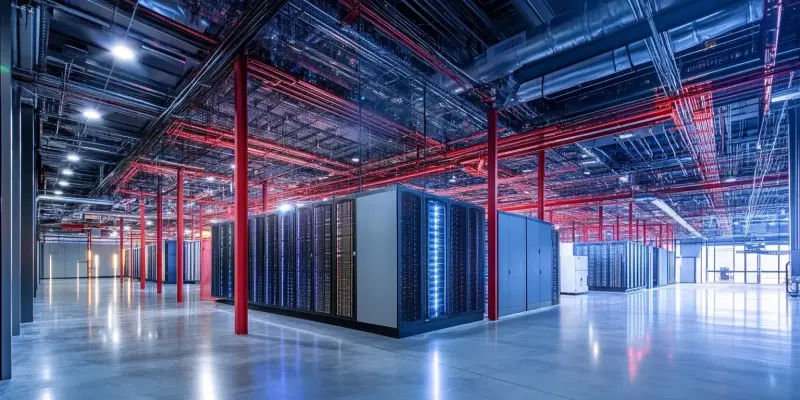
The data center industry has seen exponential growth over recent years, driven by an insatiable demand for data processing and storage across various sectors. This increasing trend in data center implementation brings a significant environmental challenge due to their vast energy consumption. Addressing these sustainability concerns has become paramount, and leading the charge are Vertiv and Oxigen. These two industry giants are pioneering innovative solutions that not only meet the rising demand for data but also substantially minimize environmental impact.
The Need for Sustainable Energy Solutions
Data centers have gained a notorious reputation for their immense energy consumption, placing sustainable energy solutions at the forefront of priorities. Vertiv has made significant advancements in green energy solutions, paying particular attention to renewable energy sources and energy-efficient cooling systems. These initiatives serve to mitigate environmental footprints while effectively reducing operational costs, contributing to the bottom line.
The drive for eco-friendly practices within data center operations is seen as more than just a corporate responsibility—it is an urgent global necessity in combating climate change. Vertiv’s cutting-edge cooling technologies and the integration of modular designs for scalable, energy-efficient infrastructure are setting industry benchmarks. These innovations not only exemplify corporate stewardship but also advance the industry towards achieving higher sustainability standards. The emphasis on environmental consciousness reflects Vertiv’s forward-thinking vision of how data centers should operate in the modern age.
Integration of Cutting-Edge Technology
The adoption of the latest technologies such as artificial intelligence (AI) and machine learning (ML) plays a crucial role in optimizing data center operations. These innovations enable predictive maintenance, intelligent monitoring, and dynamic resource allocation, thereby ensuring maximum efficiency and minimizing downtime. In today’s fast-paced digital world, these technological advancements are vital for maintaining seamless and uninterrupted operations.
By incorporating AI, data centers can significantly enhance their performance and accurately anticipate equipment failures long before they manifest. This proactive approach drastically improves reliability and operational effectiveness. The integration of AI and ML in data center ecosystems epitomizes the forward march towards highly efficient, self-regulating infrastructures. The convergence of these advanced technologies with traditional data center operations signifies a crucial evolution in the industry, setting a precedent for future developments.
Strategic Partnerships for Innovation
Strategic alliances are indispensable for fostering innovation and sharing the best practices essential for industry growth. The collaboration between Vertiv and Oxigen stands as a stellar example of how partnerships can harness collective expertise to spearhead advancements in data center technology. This union not only drives technical evolution but also provides comprehensive solutions that meet modern data centers’ rigorous demands.
Such collaborations are pivotal in propelling the industry forward, ensuring data centers keep pace with the rapid advancements in technology and sustainability practices. Together, Vertiv and Oxigen are revolutionizing the way data centers operate, offering solutions that fuse operational efficiency with environmental pragmatism. This synergy serves as a model for other industry players, underscoring the importance of cooperation in achieving broader sustainability goals.
Modular Data Centers: Efficiency and Scalability
Vertiv’s endorsement of modular data centers highlights their commitment to efficiency, scalability, and reduced deployment times. Modular designs facilitate the off-site construction of data centers in controlled environments, which are then transported and assembled on-site. This methodology not only compresses the time and cost associated with deployment but also lessens on-site construction risks and environmental impacts significantly.
The modular data center concept is fast gaining traction as it offers a flexible and efficient solution to meet the burgeoning demands of data processing and storage. These scalable architectures enable companies to expand their data center capabilities seamlessly, without the disruptions typically associated with traditional builds. The modular approach promises to address the pressing issues of efficiency and sustainability, presenting a future-focused solution that aligns with industry trends.
Innovations in Power Consumption Reduction
Reducing power consumption is essential for the future of sustainable data centers, and this is where innovations like liquid cooling and energy reuse come into play. Technologies such as liquid cooling reduce the overall energy consumption while enhancing operational efficiency, making them critical components of modern data center infrastructures. These advancements contribute towards building a sustainable model that benefits both the environment and the business bottom line.
The adoption of sustainable practices comes with inherent cost benefits, paving a financially viable pathway for businesses while fulfilling their corporate social responsibilities. By implementing these innovative solutions, organizations can achieve a significant reduction in their carbon footprint and operational costs. This dual benefit underscores the importance of investing in advanced technologies that prioritize sustainability without compromising efficiency.
The Role of Continuous Improvement and R&D
Continuous improvement and research and development (R&D) are critical in ensuring that data centers keep pace with evolving technological and environmental demands. Vertiv and Oxigen remain committed to pushing the boundaries of what is possible, continuously seeking new methods to enhance sustainability. Their relentless pursuit of innovation ensures that they remain at the forefront of the industry, leading the charge in developing new technologies that will shape the future of data centers. Their combined efforts demonstrate a profound dedication to achieving a balance between operational excellence and environmental stewardship.