

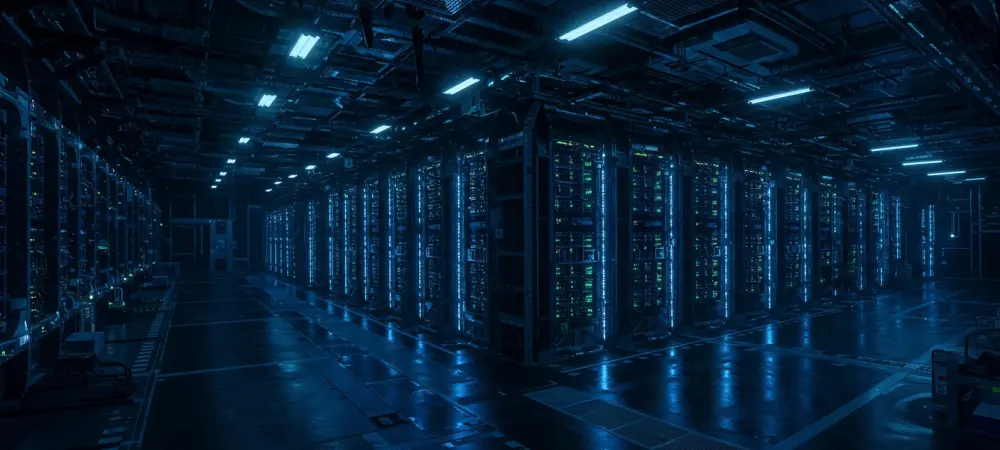
Setting the Stage for a Power Revolution
As the digital economy surges forward with unprecedented momentum, data centers are grappling with a severe energy crisis, driven by the relentless demands of artificial intelligence (AI), cloud computing, and global electrification. Industry estimates suggest that data center power consumption could double by the end of this decade, placing immense pressure on aging grids already struggling to keep pace. This analysis explores how nuclear power, particularly through small modular reactors (SMRs), is positioning itself as a transformative solution to this challenge, with companies like Equinix leading the charge. The purpose of this examination is to uncover market trends, assess the viability of nuclear energy in the data center sector, and project its impact on future energy strategies. This topic is critical as the balance between digital growth and sustainable power hangs in a delicate equilibrium, demanding innovative responses.
Unpacking the Energy Market Dynamics for Data Centers
Escalating Demand and Traditional Energy Shortfalls
The data center industry is at a tipping point, with energy needs skyrocketing due to AI workloads and expansive cloud services. Historically, reliance on fossil fuels and intermittent renewables has left operators vulnerable to grid instability and carbon footprint concerns. Current market data indicates that global data center electricity usage accounts for nearly 2% of total energy consumption, a figure expected to climb sharply without scalable alternatives. This trend exposes a glaring gap: traditional energy sources and outdated infrastructure cannot sustain the exponential growth, pushing the sector toward uncharted solutions like nuclear power to ensure operational continuity and meet sustainability goals.
Nuclear Power as a Rising Market Force
Nuclear energy, once sidelined due to safety and cost concerns, is experiencing a renaissance within the data center market, driven by advancements in SMR technology. These compact, efficient reactors offer a promise of consistent, carbon-free power, ideal for the high-demand environments of modern data facilities. Market projections suggest that nuclear capacity in this sector could triple by 2050, fueled by commitments from tech giants and innovative partnerships. Equinix, a prominent player, has secured deals for microreactors and advanced fission technologies, signaling a shift in investment focus toward long-term energy independence over short-term grid reliance.
Key Players and Strategic Alliances Shaping the Landscape
A significant trend in this market is the formation of strategic partnerships between data center operators and nuclear technology firms. Equinix stands out with agreements spanning multiple innovators, securing capacity deals equivalent to hundreds of megawatts for future deployment. Parallel movements by other industry leaders, such as commitments to gigawatt-scale nuclear projects starting from 2025 to 2027, underscore a collective pivot toward this energy source. These alliances mitigate risks by diversifying technological approaches, though they also highlight market challenges like extended deployment timelines stretching into the next decade and the need for regulatory alignment across regions.
Regulatory and Regional Factors Influencing Adoption
Geographic and policy variations play a pivotal role in shaping the nuclear energy market for data centers. In the U.S., areas with high data center density face capacity constraints, making them prime candidates for nuclear integration, while European markets benefit from government initiatives supporting AI-driven growth zones. Regulatory hurdles, including lengthy permitting processes and public skepticism about nuclear safety, remain substantial barriers to rapid adoption. Market analysis reveals that streamlining policies and addressing workforce gaps in nuclear expertise are critical to unlocking the full potential of this energy shift, requiring coordinated efforts across borders and industries.
Technological Innovations and Economic Considerations
Innovation in reactor design, such as portable microreactors and molten salt systems, is a driving force in the market, promising enhanced safety and scalability for data center applications. Economically, nuclear power offers long-term cost stability compared to volatile fossil fuel markets, though high initial investments pose a barrier for smaller operators. Emerging trends in grid modernization and integrated cooling solutions tailored for nuclear-powered facilities are also gaining traction, potentially reducing operational costs over time. This combination of technological and economic factors positions nuclear energy as a cornerstone of future market strategies, contingent on overcoming upfront financial and logistical challenges.
Reflecting on the Path Forward
Looking back, this analysis of the data center energy market revealed that nuclear power, spearheaded by initiatives from industry leaders like Equinix, emerged as a viable response to escalating power demands. The examination highlighted critical trends, from the surge in AI-driven consumption to the strategic partnerships fueling nuclear adoption, while acknowledging persistent challenges like regulatory delays and extended timelines. For stakeholders, the key takeaway was the need to balance optimism with pragmatism, recognizing nuclear energy’s transformative potential alongside its gradual rollout. Moving forward, strategic investments in hybrid energy models combining renewables with nuclear, alongside advocacy for policy reforms, offered practical steps to navigate this transition. Additionally, fostering a skilled workforce and prioritizing grid upgrades stood out as essential actions to ensure the data center sector could sustainably power the digital future.