

Artificial intelligence has become the primary driver of modern industrial expansion, necessitating a physical footprint that rivals the manufacturing booms of the past century. A significant shift in federal policy could soon allow state agencies to approve industrial air permits for hyperscale computing facilities without informing the local community. This proposal by the Environmental Protection Agency seeks to adjust how public feedback is integrated into the permitting process, specifically for facilities categorized as minor emission sources. Traditionally, the Clean Air Act required a rigorous thirty-day period for citizens to voice concerns about new industrial installations. However, federal regulators now suggest that these requirements are an unnecessary hurdle that slows down the deployment of vital digital infrastructure. By devolving this authority to the states, the government is creating a new regulatory landscape where community oversight is no longer a federal guarantee.
Balancing Administrative Efficiency and Transparency
The Shift in Federal Regulatory Philosophy
This shift is a core component of a broader movement toward cooperative federalism, which prioritizes state-level decision-making over central mandates. Supporters of the change argue that state environmental agencies are better positioned to understand the unique economic and ecological needs of their regions. They contend that the mandatory federal comment period has become a form of administrative red tape that hampers national competitiveness in the global technology sector. By removing these requirements, the administration hopes to accelerate the construction of data centers, which are seen as essential for maintaining a lead in artificial intelligence. This philosophy assumes that state officials will maintain high standards while enjoying the flexibility to approve projects more quickly. In this view, streamlining the process is a necessary evolution to accommodate the speed of the modern digital economy and the urgent need for expanded capacity. Critics and legal scholars, however, see the proposal as a systematic erosion of the transparency that has long underpinned environmental protection in the United States. They worry that without a federal requirement for public notice, many states will choose to bypass community input altogether to attract lucrative tech investments. This could lead to a fragmented regulatory environment where the right to know about local pollution depends entirely on state-level political winds. Advocates for public oversight argue that the 30-day comment period is not a mere formality but a vital democratic tool that allows residents to identify potential risks that state regulators might overlook. They maintain that true national competitiveness should not come at the expense of local health or the public’s right to participate in decisions that affect their environment. The concern is that removing these safeguards will permanently damage the trust between the technology industry and the public.
Technical Loopholes and Emission Realities
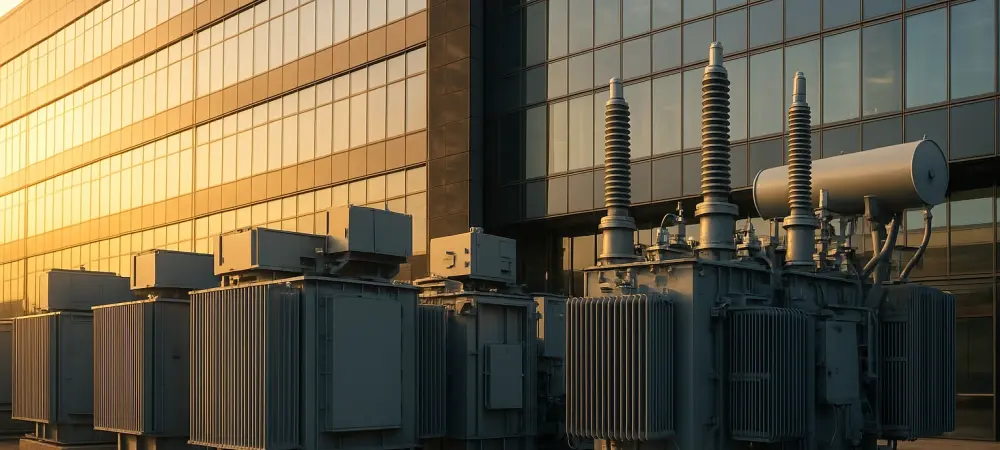
Much of the debate centers on how data centers are classified under air quality regulations. To ensure uninterrupted service, these facilities require massive backup power systems, often consisting of large arrays of diesel generators or natural gas turbines. While each individual unit might be small enough to fall under minor source thresholds, the cumulative emissions from a hyperscale campus can be comparable to those of a mid-sized power plant. These emissions include nitrogen oxides and particulate matter, which are known to contribute to respiratory issues and regional smog. Under the proposed rules, because these sites are technically classified as minor sources, they would no longer require a federal public notice period. This allows companies to install significant combustion capacity without the surrounding community ever receiving a formal briefing on the potential air quality impacts, effectively hiding the industrial nature of these digital hubs from the view of those living nearby.
The challenge is intensified by the growing trend of off-grid power generation. As the national electrical grid faces capacity limits, many data center developers are building their own islanded power plants to run their servers independently. These facilities often utilize advanced combustion technologies or proprietary fuel blends that may not be subject to the same level of continuous monitoring as traditional utility plants. Without the mandatory public comment process, it becomes much harder for local residents or environmental groups to obtain detailed information about the emissions profiles of these private power stations. This lack of transparency creates a significant information gap, making it difficult to assess the long-term environmental footprint of the AI industry. The move to localized power, while technically efficient for the developers, introduces a layer of environmental complexity that critics argue requires more, not less, public scrutiny to protect community air standards.
Environmental and Community Impact
Risks to Public Health and Social Equity
Environmental justice organizations have raised the alarm that this policy change will disproportionately affect vulnerable populations. Historically, industrial facilities have often been located in low-income neighborhoods and communities of color, which already bear a high burden of pollution. These areas are frequently designated as sacrifice zones, where the health of residents is deprioritized in favor of industrial expansion. The mandatory public notice period has been a critical tool for these communities to organize, voice their concerns, and demand better mitigation measures from developers. By removing this requirement, the EPA is effectively stripping away the primary defense mechanism these neighborhoods have against new sources of air pollution. Advocates argue that this will lead to a new wave of industrial siting in marginalized areas without any meaningful opportunity for the residents to provide input or seek protections. Public health experts emphasize that the pollutants emitted by backup generators are not just environmental concerns but direct threats to human well-being. Fine particulate matter and nitrogen oxides are linked to a range of health problems, including increased rates of asthma, cardiovascular disease, and lung complications. When data centers are permitted to operate these systems without community oversight, it becomes much harder to implement effective health monitoring or to hold companies accountable for local air quality degradation. Critics of the EPA proposal argue that the government has a responsibility to protect the health of all citizens, and that bypassing public participation is a dereliction of that duty. They assert that the right to a healthy environment is fundamental and should not be compromised to meet the infrastructure demands of the technology sector. The potential for long-term health impacts necessitates a transparent process that accounts for the cumulative burden.
Strategies for Resilient Policy and Community Engagement
The response to these regulatory changes led to the development of several successful models for community-led environmental monitoring. Local governments in tech-heavy regions began to pass their own transparency ordinances, ensuring that residents retained the right to review new industrial projects regardless of federal policy. These jurisdictions mandated that all hyperscale developers provide comprehensive air quality data and fund independent monitoring stations that reported directly to a public dashboard. By taking these proactive steps, local officials managed to rebuild the trust that was lost during the initial federal rollback. This localized approach proved that environmental protection and technological growth could coexist when transparency was treated as a priority. These communities demonstrated that active participation was the most effective way to ensure that the digital economy did not come at the cost of public health, creating a blueprint for others.
Furthermore, the industry saw a shift toward cleaner energy alternatives as a way to mitigate local opposition and comply with more stringent state-level standards. Many developers chose to replace diesel backup systems with large-scale battery storage and green hydrogen fuel cells, which eliminated the localized emissions that had sparked the initial controversy. These technical advancements, combined with a commitment to early and frequent community dialogue, helped to resolve the tensions between data center expansion and environmental stewardship. Legislative efforts eventually codified these best practices, ensuring that the right to public notice was protected by law at the state level. This transition showed that the most resilient path forward was one that embraced accountability and innovation simultaneously. By focusing on zero-emission solutions and transparent planning, the sector sustained its growth while honoring its obligations to the community.