

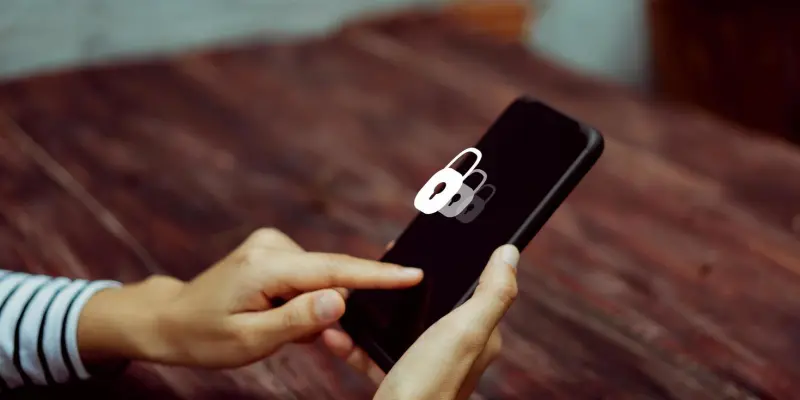
In today’s fast-paced digital world, many smartphone users inadvertently compromise their security by choosing repetitive or overly simplistic PIN codes. These choices can lead to serious vulnerabilities, making it easy for hackers to gain unauthorized access to personal information. Though PIN codes offer a convenient first line of defense, their simplicity, which appeals to users, can often be their undoing. As devices are central to daily life, maintaining robust security is critical, demanding an understanding of the inherent risks associated with PIN code reuse across multiple platforms.
Risks of Repetitive PIN Codes
Easy Target for Hackers
Reusing identical PIN codes on different devices can lead to substantial security risks. If one account’s login data is compromised, an identical PIN increases vulnerability across other devices where this code is used. Hackers, equipped with advanced automated software, can exploit this flaw swiftly and effectively, gaining entry into accounts without the owner’s knowledge. The software functions by running through millions of combinations, swiftly identifying repeat codes and accessing sensitive data. Additionally, shoulder-surfing—where attackers observe PIN entry—adds another layer of risk, particularly if the same PIN is used elsewhere. Thus, repetition is practically a welcome mat for cybercriminals.
Advice from Industry Experts
Chiara Cavaglieri and other cybersecurity specialists strongly advise against using the same PIN codes across different platforms. Instead, they champion the importance of creating unique, varied combinations for each account. Moving away from easily guessable numbers like birthdates, they propose using lengthier codes or integrating alphanumeric sequences to bolster security. This strategy significantly reduces the likelihood of unauthorized access, even if login details are exposed. A distinct PIN for every account ensures that even if one is compromised, others remain safe, urging users to reevaluate their current security practices and embrace stronger alternatives.
Transitioning to More Secure Practices
Biometric Solutions and Enhanced PINs
Employing biometric solutions, such as fingerprint and facial recognition, adds a formidable layer to smartphone security. These techniques provide an extra safeguard, yet the reliance on PINs remains considerable due to their simplicity and accessibility. Therefore, adopting stronger PINs is crucial in updating security protocols. Transitioning to longer PINs or simple passwords enhances security, offering resistance against hacking endeavors that thrive on repetition. This shift not only fortifies defenses but forms a comprehensive approach to security that integrates traditional methods with modern demands.
Impact of Unique and Complex Codes
The proactive adoption of unique and complex PINs affects both individual and industry-wide security standards. By embracing changes to these security measures, users contribute to an improved digital safety landscape, promoting heightened awareness around secure practices. While the addition of biometric devices is valuable, the sturdy foundation of complex, thoughtful PIN codes remains essential. Acknowledging the impact of tailored codes ensures that the possibility of digital theft is minimized, setting a precedent for mindful security behavior. The shift toward informed choices in PIN usage aids in safeguarding against data exploitation, reinforcing cybersecurity from the ground up.
A New Standard for Smartphone Security
In our modern, fast-paced digital age, many smartphone users unknowingly compromise their security by selecting repetitive or overly simplistic PIN codes. Such choices can create significant vulnerabilities, allowing hackers easy access to personal information. PIN codes serve as an accessible first line of defense, but the same simplicity that attracts users can often lead to security breaches. Our devices are integral to daily life, making the need for strong security measures paramount. It’s essential to recognize the risks associated with reusing PIN codes across various platforms. For optimal security, smartphone users should vary their PIN codes and consider more complex combinations or alternative security methods like biometric authentication or two-factor authentication. Educating oneself about the importance of unique PINs can minimize threats and enhance digital safety, ensuring personal information remains protected against unauthorized access in this technologically driven world.