

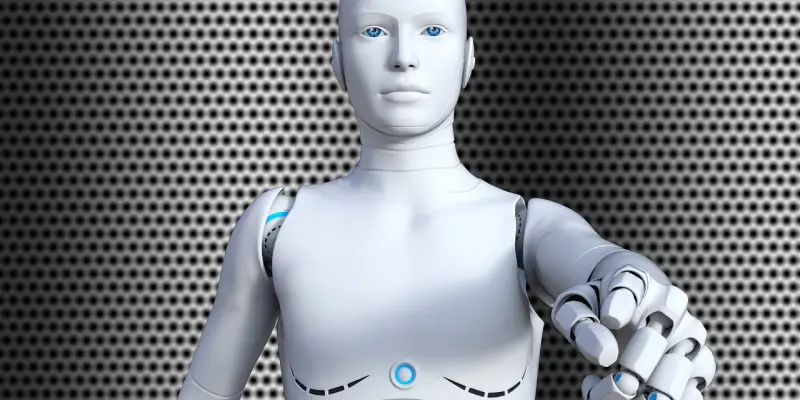
In an anecdote from November involving an AI avatar named Nora, a notable shift in business focus from technical capabilities to human-like attributes was observed. Despite Nora’s significant technical prowess designed to assist a fashion brand in New York City, the clients prioritized elements such as her personality over her functional performance. This shift illustrates a broader trend in the business sector: decision-makers increasingly evaluate AI technologies based on human-like characteristics and emotional resonance, giving rise to new dynamics in AI adoption.
Human-like Expectations in AI Evaluation
The Rise of Anthropomorphism
As artificial intelligence continues to progress, business leaders are starting to view these technologies through a human lens. Instead of focusing solely on efficiency and performance metrics, the evaluation process now includes human-like traits and behaviors exhibited by AI systems. This phenomenon, known as anthropomorphism, leads businesses to hold AI to human standards. When AI technologies exemplify human behaviors—such as emotional responses or social interactions—expectations shift significantly. Decision-makers now expect AI to not only perform tasks efficiently but also to engage and resonate on a human level, creating a more challenging landscape for developers to navigate.
This shift signifies a fundamental change in how technology is integrated into business environments. Companies are no longer satisfied with AI that merely executes commands flawlessly; they seek systems that can engage with users on a personal level, bringing about a new era of AI applications. The rise of anthropomorphism in AI evaluation underscores the growing complexity of business expectations, reflecting the continuous evolution of enterprise technology requirements. As businesses demand more from their AI technologies, these systems must evolve to meet the demands of human-like interaction and behavior.
Unconscious Influences in Business Decisions
While AI adoption in enterprises may appear to rely heavily on data-driven, logical assessments, emotional and subconscious biases play a significant role in shaping these decisions. Emotional resonance with AI technologies often affects how enterprises perceive and eventually integrate these systems. Business leaders may unknowingly project their biases and emotional needs onto AI platforms during the evaluation process. This behavior transforms the AI procurement phase into what can be described as signing an emotional contract in addition to a traditional utility contract.
This emotional involvement goes beyond seeking functional benefits like cost reduction or revenue growth. Enterprises look for AI solutions that elicit positive emotional responses from users and enhance overall satisfaction. The significance of this emotional connection cannot be overstated, as it directly impacts the success and acceptance of AI in a business setting. Companies that neglect these underlying emotional influences risk implementing AI solutions that fail to resonate with users, resulting in suboptimal adoption and utilization.
Psychological Theories Explaining AI Interaction
Social Presence Theory
The phenomenon of social presence theory becomes evident as businesses seek to humanize their interactions with AI systems. When clients inquire about AI’s preferences, such as asking about Nora’s favorite handbag, they demonstrate a desire for social engagement with these non-human entities. This expectation that AI possesses personal preferences highlights the depth of human-like interactions businesses aim to achieve. Companies look for AI that can replicate social dynamics, fostering a sense of connection and relatability.
This pursuit of social presence in AI adoption illustrates the growing need for more sophisticated and nuanced AI interactions. Businesses seek to create environments where users feel a genuine connection with AI systems, beyond mere functional interactions. This trend has significant implications for AI developers, who must now focus on creating technologies that can engage socially and emotionally with users. By aligning AI capabilities with social presence expectations, enterprises can enhance user satisfaction and drive successful adoption of AI solutions.
Uncanny Valley Effect
One of the psychological challenges in AI interaction is the uncanny valley effect, where AI that appears almost human but not quite perfect elicits discomfort or eeriness. An example is a client feeling unease about an AI’s overly lifelike smile. This reaction underscores the delicate balance AI developers must strike between realism and comfort. Achieving the right level of human-likeness in AI systems is crucial to avoid triggering negative responses that hinder acceptance.
The uncanny valley effect poses a unique challenge for businesses and AI creators alike. As AI technologies advance to achieve lifelike behaviors, they must also ensure these interactions remain comfortable and non-threatening for users. Successfully navigating this balance allows businesses to harness the benefits of realistic AI while avoiding the pitfalls of unnerving human-like features. Addressing this psychological aspect is essential for developing AI that can seamlessly integrate into user environments.
Aesthetic-Usability Effect
The aesthetic-usability effect highlights how visual appeal can sometimes outweigh functional effectiveness in technology acceptance. A case in point is an aesthetically pleasing AI receiving positive feedback despite being less functional. This phenomenon demonstrates the significant role appearance plays in shaping users’ evaluations of AI systems. The visual attractiveness of AI can enhance user satisfaction and acceptance, even if the system does not perform optimally.
This insight into the importance of aesthetics has profound implications for AI development and business adoption strategies. Companies must consider not only the functional capabilities of AI systems but also their visual design to ensure successful implementation. By balancing aesthetics with usability, businesses can create more appealing and engaging AI solutions that resonate better with users. This approach can drive higher adoption rates and improve overall satisfaction with AI technologies in business settings.
Projection of Ideal Self
The projection of ideal self theory showcases how businesses often delay AI project launches aiming for a flawless system. This idealization reflects the high aspirations projected onto AI entities, with companies striving for perfection. While this pursuit of perfection may slow down implementation, it also underscores the importance businesses place on achieving the best possible version of AI that aligns with their goals and values.
Such delays in AI adoption highlight the psychological obstacles that companies face in integrating these technologies. The desire for an ideal AI system can lead to extended development and testing phases, as businesses continually refine and perfect their solutions. Understanding this projection of ideal self is crucial for AI developers, who must manage expectations and balance perfection with practicality to facilitate timely and effective AI adoption in enterprises.
Strategic Recommendations for AI Adoption
Embracing Emotional Contracts
Recognizing the emotional contracts inherent in AI adoption is essential for businesses looking to successfully integrate these technologies. Enterprises need to navigate the emotional dimensions of AI by redesigning their processes to prioritize significant business needs while still acknowledging emotional appeals. A robust testing process that identifies critical priorities and discards minor, emotionally appealing details is crucial for focusing on what truly matters.
Businesses should embrace a strategy where emotional considerations are weighed alongside functional capabilities. This balanced approach allows companies to meet their users’ emotional and functional needs, fostering a more successful implementation of AI technologies. By acknowledging the emotional contracts that come with AI adoption, enterprises can ensure their AI solutions resonate well with users, enhancing satisfaction and engagement.
Redefining Vendor Relationships
In an anecdote from November involving an AI avatar named Nora, a notable transformation in business priorities was observed, focusing more on human-like qualities rather than just technical capabilities. Nora, designed to assist a fashion brand in New York City, showcased significant technical expertise. However, clients were more interested in aspects such as her personality than in her functional performance. This shift highlights a broader trend in the business world, where decision-makers are increasingly evaluating AI technologies based on their human-like characteristics and emotional connections they can create, rather than solely on their technical merits. This trend signifies the emergence of new dynamics in AI adoption, suggesting that businesses today measure the success of AI not just by its efficiency but by its ability to engage and connect with humans on a personal level. This evolution reflects a fundamental change in how AI is integrated into business strategies, focusing on creating meaningful interactions and emotional resonance with consumers.