

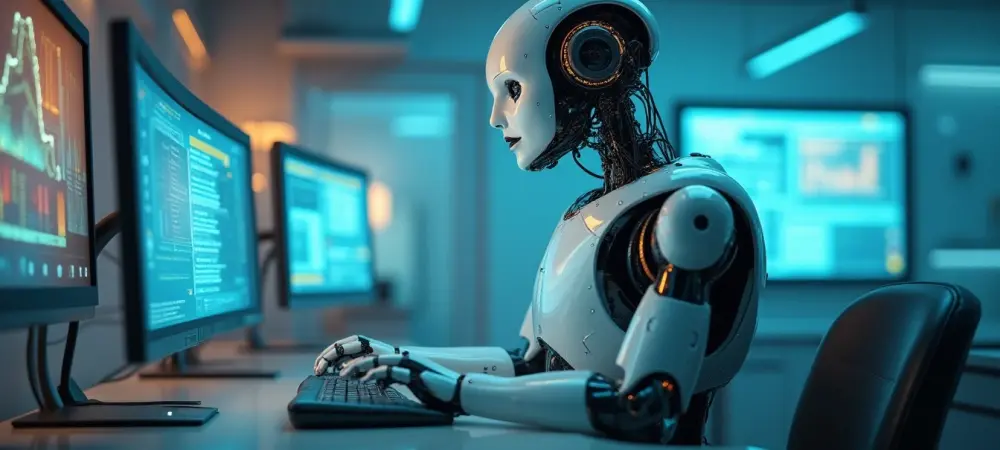
In recent years, educational robotics has emerged as a pioneering force in transforming how knowledge is imparted across various educational platforms. Nestled at the intersection of technological innovation and educational advancement, these robotics solutions are not just enhancements but complete paradigm shifts in the classroom. With their roots in the broad technological context, educational robotics have carved a niche, making significant strides toward more engaging and practical learning experiences.
Unpacking Educational Robotics
Educational robotics is guided by key principles aimed at bridging theoretical knowledge and practical application. At its core, it employs robotics kits, programming tools, and curriculum-focused applications to create hands-on learning experiences. This has developed into a robust educational tool that fosters engagement through tactile interaction and problem-solving activities. It seamlessly integrates with existing technological infrastructure, making it pertinent in today’s educational landscape. The relevance of educational robotics in modern education cannot be overstated. Its ability to captivate student interest and enhance skill sets positions it as an essential component in future-proofing the education system. By promoting active learning, it moves beyond traditional methods, preparing students for a tech-centric job market.
Analyzing Core Features
Hands-On Interactive Learning
One of the standout features of educational robotics is the ability to create interactive learning environments. These settings allow students to engage in practical activities, building robots and bringing theoretical concepts to life. Unlike passive learning models, this hands-on interaction enables students to digest complex information in a manner that is both enjoyable and memorable. By fostering exploratory learning, robotics projects provide a platform for students to implement concepts such as mechanics, coding, and automated processes.
Facilitating Skill Development
Educational robotics also acts as a catalyst for developing crucial skills. By engaging with robotics, students cultivate critical thinking and problem-solving abilities. The team-based nature of many projects enhances collaboration skills, whereas individual challenges foster creativity and perseverance. Through structured, goal-oriented learning, students emerge with well-rounded skill sets that are transferable to a range of real-world contexts. This holistic development prepares students to navigate the complexities of their future careers with confidence.
Seamless Integration with STEM Education
The connection between robotics and STEM (Science, Technology, Engineering, and Mathematics) curricula is crucial. Robotics introduces students to concepts of engineering and programming within a structured academic framework. It encourages students to apply these technical skills in real-life scenarios, effectively enhancing their understanding and appreciation of STEM fields. The ability to translate STEM skills from paper to practice enhances both performance metrics and educational outcomes.
Emerging Trends and Developments
The landscape of educational robotics is continuously evolving, shaped by advancements in artificial intelligence, machine learning, and automation. Recent developments focus on improving accessibility and customization, allowing robotics to cater to diverse learning needs. Emerging technologies in robotics are being adapted for educational contexts, making them more user-friendly and engaging for both students and educators. As academic institutions seek innovative ways to enhance experiential learning, the trends in educational robotics set a promising trajectory.
Practical Applications and Innovative Use Cases
In practice, educational robotics has been deployed effectively across various educational settings, from primary schools to advanced college programs. Robotics labs, after-school clubs, and specialized courses are becoming increasingly common as they demonstrate significant learning advancements. The real-world application of robotics allows educators to customize experiences according to specific learning objectives, making instruction varied and dynamic. Notable implementations highlight how robotics assists in inclusive education, catering to students with diverse cognitive needs by offering alternative ways of learning and interaction.
Navigating Challenges in Adoption
Despite its many benefits, educational robotics faces its own set of challenges. Technical complexity, high initial costs, and the need for specialized training programs for educators remain significant barriers. Schools and institutions also confront regulatory challenges that influence the adoption rate of these technologies. However, ongoing development efforts aim to address these issues by simplifying technology interfaces and creating more affordable solutions. Collaborative initiatives between tech companies and educational bodies continue to pave the way for broader and more inclusive use of educational robotics.
Prospects and Future Directions
The future of educational robotics is promising, with potential breakthroughs on the horizon, set to redefine the boundaries of traditional education. Further advancements in AI and robotics are expected to provide even more effective, powerful educational tools. As academic environments become more integrative, robotics will continue to drive innovation, preparing students for a technology-driven world. These technologies are anticipated to facilitate personalized learning pathways, empowering students with tailored educational experiences that align with individual strengths and interests.
Conclusion: Embracing a Dynamic Tomorrow
Educational robotics has already made indelible contributions to modern education, enabling creative expression and fostering vital skills essential for navigating the complexities of the digital age. As students continue to interact with robotic technologies, the gap between theory and practice is narrowed, preparing them for future endeavors. The focus must shift to ensuring broader inclusion, consistent improvements, and overcoming barriers, marking the trajectory of educational robotics as not just evolution but a revolution in learning environments. With continuous commitment to overcoming existing challenges, educational robotics is set to transform education universally, equipping learners with tools for a dynamic and engaging tomorrow.