

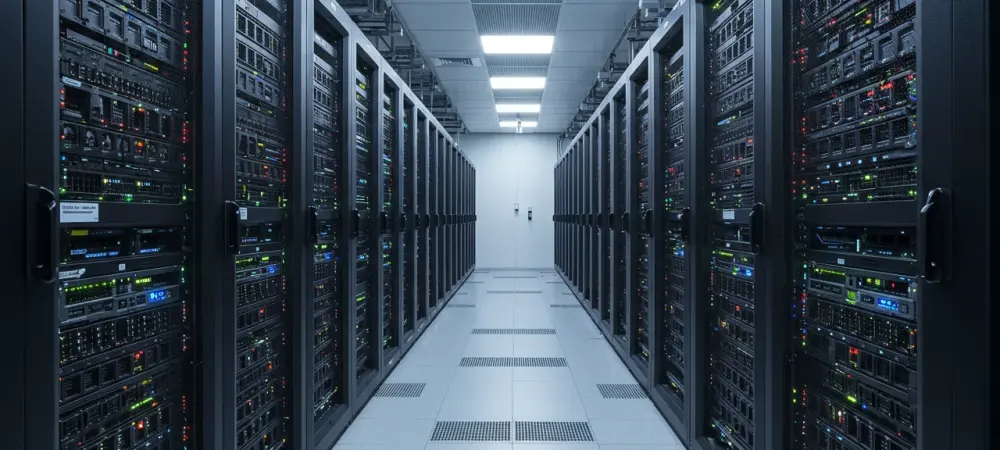
Dominic Jainy has a deep understanding of cutting-edge technologies like artificial intelligence and blockchain. He brings his rich experience to the table, shedding light on how these technologies shape industries. Today, we’re diving into data center development, focusing on EdgeConneX’s ambitious plans in New Albany, Ohio.
Can you provide some background on EdgeConneX and its decision to expand in New Albany, Ohio?
EdgeConneX has carved a niche in delivering edge data centers that bring content closer to end-users, enhancing performance and reducing latency. Their expansion in New Albany is part of a strategic move to diversify and boost their footprint in Ohio, a region gaining traction for tech infrastructures. The decision aligns with their broader vision to pioneer unique data solutions by tapping into promising locales.
Why was New Albany chosen as the location for this significant data center expansion?
New Albany offers a conducive environment for data center growth—it’s blessed with economic stability, access to essential resources, and a supportive government keen on tech ventures. Its proximity to Columbus creates optimal synergies for data-related operations. This strategic selection was driven by the opportunities for network connectivity and the presence of a skilled local workforce, essential for operating high-capacity data centers.
Can you detail the specific plans for converting the existing warehouse into a data center in Phase I?
Phase I involves transforming the current warehouse at 9850 Innovation Campus Way into a state-of-the-art data center. The conversion focuses on integrating advanced cooling systems, cutting-edge servers, and ensuring robust security measures. With an eye toward sustainability and efficiency, the warehouse layout will be adapted to optimize space and power utilization, setting the foundation for its future stages.
What challenges do you anticipate in the conversion process?
The conversion must handle logistical challenges associated with energy needs, technical architecture, and structural modifications. Maintaining operational continuity during the construction will require meticulous planning and coordination with local authorities and utilities. Additionally, the integration of new technologies into existing infrastructure demands foresight to avoid disruption during deployment.
What are the planned details for the new two-story building and the energy center in Phase II?
Phase II is set to introduce a sprawling two-story 700,000 sq ft building, sculpted to house high-density server configurations. Parallel to this, the energy center will host gas-fired generators. This setup ensures stability in power supply—a critical asset given the center’s high energy demand. The center will incorporate innovative technologies to optimize performance while minimizing environmental impact.
How will these new constructions differ from the converted warehouse?
The new structures will be designed to fulfill contemporary standards, integrating scalable solutions and enhanced security mechanisms. Unlike the converted warehouse, these builds start from the ground, allowing for custom design tailored for advanced operations and maximizing energy efficiency from the outset.
What role will the energy center’s gas-fired generators play in operations?
These generators will be pivotal for maintaining a consistent power flow, acting as a safeguard against outages. By employing natural gas, the center will reduce reliance on traditional energy grids, creating a resilient backbone essential for uninterrupted data center activities. This approach supports their commitment to sustainability by ameliorating environmental footprint compared to conventional energy sources.
What is the significance of acquiring 270 acres of land for this project?
The acquisition of 270 acres marks EdgeConneX’s foresight in accommodating future expansions. Owning ample land allows them to scale their operations, ensuring flexibility in layout planning and technological innovations. This move also establishes their long-term presence and fosters an environment that encourages related businesses to join New Albany’s burgeoning tech landscape.
How does the addition of a 120MW natural gas plant benefit the data center development?
Hosting a dedicated gas plant ensures a self-sufficient power source, crucial for data reliability and operational integrity. The plant amplifies energy security and supports scalable growth by catering to rising power requirements. Such a setup is strategic, given EdgeConneX’s commitment to delivering robust service continuity amid growing demand.
Can you share more about your PowerConneX affiliate and its involvement in this project?
PowerConneX specializes in delivering tailored energy solutions complementary to EdgeConneX’s data infrastructure needs. Their expertise lies in executing efficient power projects with minimal environmental disruption. PowerConneX is integral in navigating regulatory landscapes and optimizing power distribution systems that directly feed into EdgeConneX’s ambitious expansion strategies.
What is the anticipated timeline for completion for both phases?
Phase I is expected to wrap up by April 2026, ensuring that initial operations can commence promptly. Phase II will unfold gradually afterward, with substantial completion projected by Q3 2027. Each milestone will be managed to align with technological advancements and operational demands.
What impact do you foresee these developments having on the local community and economy in New Albany?
The establishment of these data centers will invigorate the local economy by creating jobs—both during construction and in long-term operations. Beyond employment, it will attract tech companies, nurturing an ecosystem conducive to innovation. It places New Albany on the map, potentially sparking regional growth in the tech industry.
How will EdgeConneX ensure environmental sustainability and compliance with regulations in this development?
EdgeConneX is committed to eco-friendly practices. The project will adhere to stringent environmental standards, employing sustainable building techniques and cutting-edge energy-efficient technologies. They will also collaborate closely with regulatory bodies to ensure compliance and proactively manage any environmental concerns.
What are some challenges or risks associated with such a large-scale data center development?
Large-scale projects can encounter numerous challenges, from supply chain disruptions to zoning restrictions. Navigating local regulations and ensuring a balanced interaction with the community are pivotal. Managing technological risks, such as ensuring cybersecurity and adapting to emerging standards, is also crucial to maintaining operational integrity and community trust.
Do you have any advice for our readers?
Embrace technological advancements with an open mind and invest in understanding how emerging innovations can reshape industries. It’s vital to stay informed and agile in adapting to changes, as these developments bring opportunities and challenges alike. Guarding against the pitfalls of rapid expansion and acknowledging the broader impacts on society can guide strategic decision-making processes.