

The rapid expansion of modern digital libraries has transformed the once-simple task of purchasing a storage drive into a complex decision-making process involving specialized technical specifications and long-term financial planning. As the annual Amazon Prime Day event scheduled for June 23 approaches, the early emergence of significant discounts on high-capacity storage solutions provides a critical window for consumers to evaluate their current and future needs. The sheer volume of data generated by 4K video recording, high-resolution photography, and massive software installations has made storage scarcity a common challenge for both casual users and professionals. Market analysts have already issued warnings regarding potential supply chain constraints that could lead to a significant increase in prices throughout the latter half of 2026. This looming sticker shock makes the current promotional period more than just a seasonal sale; it is a strategic opportunity to secure essential hardware before market volatility impacts accessibility. By understanding the current trends in solid-state and hard disk technology, buyers can make informed choices that protect their digital assets while maintaining peak system performance in an increasingly data-heavy environment.
Technological Advancement: The Rise of NVMe and Rugged Durability
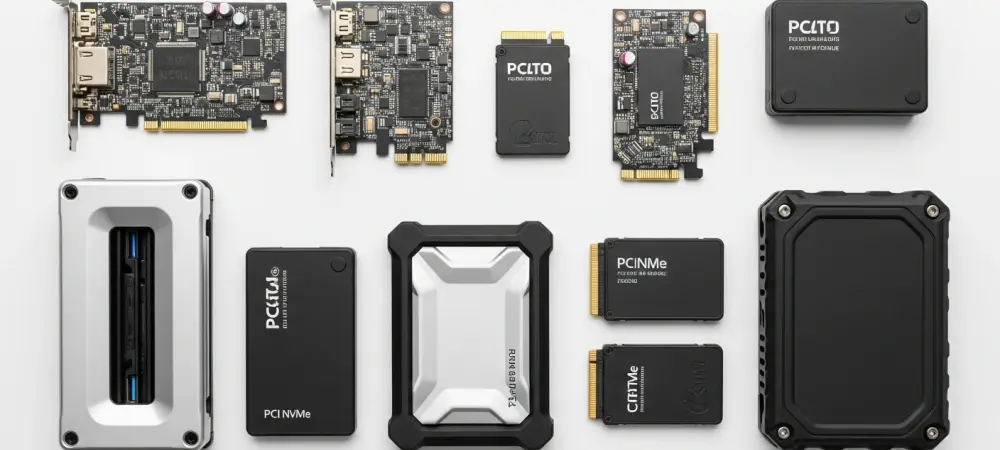
The landscape of personal storage has undergone a fundamental shift as NVMe technology has moved from a niche enthusiast product to the primary standard for almost all consumer electronics. Unlike the older SATA interface which was originally designed for the physical limitations of spinning hard drives, NVMe utilizes the high-speed PCIe lanes of a computer to deliver data at rates that were previously unimaginable. This transition has significantly reduced boot times and eliminated the frustrating bottlenecks often associated with large file transfers or complex multitasking. In the current market, manufacturers are prioritizing these high-speed protocols to ensure that external drives can keep pace with the internal speeds of modern laptops and workstations. The result is a user experience where moving a fifty-gigabyte project folder feels almost instantaneous, fundamentally changing how creative professionals and data managers approach their daily workflows. This surge in speed is complemented by a renewed focus on the physical resilience of the hardware itself, ensuring that the valuable data stored within is protected against the unpredictable nature of portable use and travel.
Physical protection has become a cornerstone of modern drive design, reflecting a shift in how users interact with their portable devices in various environments. Many of the top-tier deals currently available feature drives encased in rugged, shock-absorbent shells that are engineered to survive significant drops, vibrations, and even exposure to water or dust. This emphasis on durability is particularly relevant for those who work in the field, such as photographers or videographers, where a single accidental drop could otherwise lead to catastrophic data loss. Furthermore, security features have evolved from optional software add-ons to integrated hardware standards. Most mid-range and high-end drives now include built-in AES 256-bit hardware encryption, which secures sensitive information without taxing the host computer’s processor. This hardware-level approach ensures that performance remains high even when full-disk encryption is active, providing peace of mind for users who carry sensitive personal or professional data. As these features become standard across the industry, the value proposition of modern SSDs continues to rise, offering a blend of speed, safety, and reliability that older technology simply cannot match.
Gaming Integration: Expanding Console Storage Capabilities
For the gaming community, the demand for high-capacity storage has reached a critical point due to the massive installation sizes of contemporary blockbuster titles. The Seagate Expansion Card for Xbox has emerged as a primary solution during the early Prime Day sales, specifically because it addresses the unique hardware requirements of the latest generation of consoles. Unlike standard external USB drives, which are often limited to playing older backward-compatible titles, these specialized expansion cards interface directly with the console’s internal architecture. This connection allows for the same lightning-fast load times and Quick Resume features that players expect from the built-in storage. As game developers continue to push the boundaries of visual fidelity and world size, the ability to expand a console’s library without sacrificing performance has become a necessity rather than a luxury. The current discounts on the 2TB models represent a significant opportunity for gamers to effectively double or triple their available space, ensuring they do not have to constantly delete and reinstall their favorite titles.
The technological synergy between external expansion and internal console architecture is a defining trend in the current gaming hardware market. The specialized port on the back of the Xbox Series X and S consoles is designed to provide a dedicated data path that mimics the speed of the internal SSD, which is essential for the high-bandwidth requirements of modern game engines. When a player uses a certified expansion card, the transition is completely seamless, with the console treating the added space as an extension of the primary drive. This level of integration is a far cry from the days of slow external hard drives that would result in long loading screens and occasional texture popping during gameplay. Moreover, the compact form factor of these cards makes them incredibly portable, allowing users to bring their entire library to a friend’s house and jump straight into a game without waiting for lengthy downloads. As we move through 2026, the reliance on these high-speed expansion solutions is only expected to grow, making current deals a vital entry point for maintaining a modern gaming setup.
Professional Performance: The Power of High-End Portables
In the realm of professional content creation, the Samsung T9 and Western Digital My Passport series have set a high bar for what a portable drive can achieve in terms of sustained performance. For editors working with high-bitrate video or high-resolution RAW imagery, the bottleneck is often the interface between the computer and the external storage. The latest deals highlight drives capable of reaching speeds up to 2000 megabytes per second, which is fast enough to support real-time editing of 8K footage directly from the drive. This capability frees up internal system storage and allows professionals to maintain an organized, mobile workflow without being tethered to a bulky desktop RAID array. These drives are not just about raw speed; they also feature sophisticated thermal management systems that prevent the drive from slowing down during long, sustained transfers. This reliability is crucial during tight deadlines when a sudden drop in transfer speed could result in hours of lost productivity.
Beyond the hardware specifications, the software ecosystems provided by companies like Samsung and Western Digital add another layer of value for the professional user. Many of these high-end portable drives come equipped with health monitoring tools that allow users to track the wear and tear on the drive’s flash memory over time. This proactive approach to data maintenance helps prevent unexpected failures, as the software can alert the user when the drive is approaching the end of its reliable lifespan. Additionally, the cross-platform compatibility of these devices has been perfected, allowing for a smooth transition between different operating systems without the need for complex reformatting. Whether a user is moving between a Windows workstation and a macOS laptop or even connecting to an iPhone for direct video recording, these drives are designed to function immediately. The early Prime Day deals on these professional-grade units provide a cost-effective way for creatives to upgrade their hardware and ensure their storage infrastructure is robust enough to handle the increasingly demanding projects of the current year.
Custom Engineering: Enclosures and Budget-Friendly Solutions
The DIY storage market has seen a surge in popularity as brands like UGREEN introduce high-quality external enclosures that allow users to repurpose existing internal drives. This approach offers a level of customization that pre-built external drives cannot match, as users can select a specific internal SSD that meets their exact needs for endurance or speed and pair it with a high-bandwidth enclosure. These modern enclosures often feature advanced cooling designs, such as aluminum heat sinks and thermal padding, to dissipate the significant heat generated by high-performance NVMe drives. By building a custom drive, enthusiasts can often achieve better performance or higher capacities at a lower total cost than purchasing a finished product. This trend highlights a growing desire among consumers to have more control over their hardware, ensuring that every component of their storage solution is optimized for their specific use case.
While high-performance and custom-built drives occupy the top end of the market, there is still a significant demand for reliable, entry-level storage for daily backups and document management. Brands like Orico have carved out a niche by offering portable SSDs that prioritize portability and affordability over extreme speeds. These drives are an excellent choice for students or office workers who need to move large volumes of documents, photos, or presentations but do not require the massive bandwidth needed for video editing. Even at this budget-friendly level, the shift away from traditional mechanical hard drives is evident, as the speed and durability of entry-level solid-state technology far exceed what was available just a few years ago. These devices provide a lightweight and silent alternative to older technology, fitting easily into a pocket or laptop bag. The early Prime Day sales make these affordable options even more accessible, allowing everyone to move away from the risks associated with mechanical disk failure and embrace the reliability of modern flash storage.
Strategic Implementation: Future-Proofing Data Infrastructure
The evolution of the storage market throughout 2026 has clearly demonstrated that the era of the mechanical hard drive is rapidly drawing to a close for most consumer applications. While high-capacity spinning disks still hold a place in large-scale archival systems and network-attached storage, the speed and falling costs of SSDs have made them the preferred choice for almost every other scenario. The current trend toward specialization has allowed manufacturers to create products that are tailor-made for specific ecosystems, such as drives optimized for high-speed video recording on mobile devices or expansion cards designed for specific gaming consoles. This “plug-and-play” simplicity has removed many of the technical barriers that once discouraged users from upgrading their hardware. As heat management and data security continue to improve, the gap between internal and external storage performance has nearly vanished, providing users with a level of flexibility and power that was previously reserved for high-end server environments.
It was determined that the most effective strategy for managing digital growth involved a proactive approach to hardware acquisition during periods of high market liquidity. Users discovered that by securing high-capacity NVMe and specialized gaming drives before the anticipated price surges of the coming months, they could significantly extend the lifespan of their current computing and gaming setups. It became clear that the integration of hardware-based encryption and rugged physical designs was no longer a luxury but a fundamental requirement for anyone operating in a mobile or professional environment. The transition away from traditional storage methods was completed as consumers recognized the inherent risks of mechanical failure and the undeniable benefits of solid-state reliability. Moving forward, the focus shifted toward maintaining these assets through regular health monitoring and ensuring that all data was mirrored across multiple redundant systems. The early deals of the season provided the necessary foundation for a more resilient and efficient digital lifestyle, setting a standard for how storage infrastructure should be managed in a modern context.