

In an era where smartphones are indispensable, a staggering number of users—over 30% according to recent industry surveys—report device damage due to drops, water exposure, or harsh conditions during outdoor activities or demanding jobs. This vulnerability highlights a critical need for rugged devices that can withstand such challenges without sacrificing functionality. Enter a smartphone designed specifically for those who push their gear to the limit in construction zones, remote expeditions, or unpredictable environments. This review dives deep into a device that promises exceptional durability and endurance, exploring whether it truly delivers for users who need more than just a sleek design.
Key Features and Durability
Rugged Build for Extreme Conditions
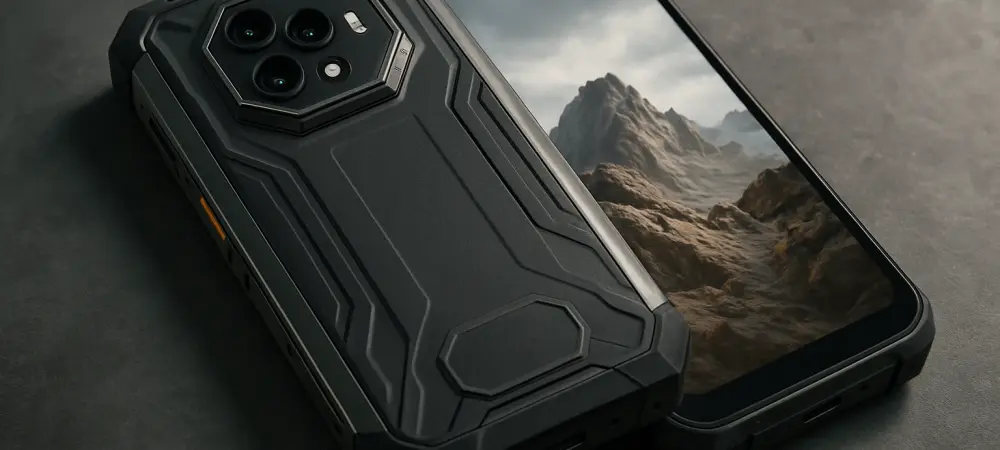
The cornerstone of this smartphone’s appeal lies in its robust construction, tailored for the toughest environments. With IP68/IP69K certifications, it offers complete protection against dust and water, even under high-pressure jets or prolonged submersion. Additionally, MIL-STD-810 certification ensures resilience against drops from significant heights, making it a reliable companion for fieldwork. Tests reveal that its mix of hard rubberized corners, metal, and plastic withstands real-world impacts admirably, positioning it as a top choice for those in physically demanding roles.
Materials and Design Resilience
Beyond certifications, the materials used in this device contribute significantly to its rugged persona. The reinforced frame absorbs shocks effectively, while the textured exterior provides a secure grip, even in wet or muddy conditions. This thoughtful design minimizes the risk of accidental slips, a common concern in outdoor settings. Such attention to durability ensures that the phone remains operational where standard devices would falter, offering peace of mind to users facing unpredictable challenges.
Battery Life and Power Management
Unmatched Endurance with Massive Capacity
One of the most striking aspects of this smartphone is its enormous 22,000mAh battery, setting a benchmark for endurance in its category. Regular usage—calls, messaging, and light browsing—can extend over a full week on a single charge, with power to spare. This capability is invaluable for individuals in remote locations, where access to charging points is often limited or nonexistent.
Charging Features for Versatility
Complementing the battery’s capacity are practical charging options that enhance its utility. The 66W fast charging allows for a reasonably quick power-up, though it lags behind some competitors with higher wattage. Additionally, an 18W reverse charging feature via USB-C turns the device into a power bank, capable of juicing up accessories or secondary gadgets. This functionality proves especially useful during extended off-grid scenarios, ensuring users stay connected longer.
Design and Display Quality
Industrial Aesthetics with Functional Appeal
Visually, the smartphone sports an industrial-futuristic look with angular lines and detailed metal accents, projecting a sense of strength and modernity. Measuring 83 x 179 x 26mm and weighing 536 grams, it’s undeniably bulky, yet the design maintains a surprising level of comfort during prolonged use. While not pocket-friendly for casual carry, it fits well in a holster or backpack, aligning with the needs of its target demographic.
Screen Performance for Practical Use
The 6.72-inch Full HD display, boasting a 120Hz refresh rate, delivers a smooth and vibrant viewing experience suitable for media and app navigation. Brightness levels hold up under direct sunlight, a crucial factor for outdoor visibility. However, the resolution of 1080 x 2400 falls short of premium standards, occasionally resulting in less sharp visuals for detailed content, which might be a minor drawback for some users.
Performance and Hardware Capabilities
Processing Power for Everyday Tasks
At the heart of this device is a MediaTek Dimensity 7050 5G octa-core processor paired with a Mali-G68 MC4 GPU, offering adequate performance for basic operations. Tasks like web browsing, communication, and streaming run smoothly, supported by robust 5G connectivity even in less-covered areas. Benchmark results, such as a Geekbench CPU Multi score of 2476, confirm its competency for routine needs, though it doesn’t aim for top-tier speed.
Limitations in High-Demand Scenarios
Where the hardware shows strain is in resource-intensive applications. Activities such as video editing or high-end gaming reveal noticeable lag, with titles like Asphalt 9: Legends lacking the fluidity seen in more powerful devices. This mid-range performance underscores a focus on reliability over cutting-edge processing, a trade-off that may not suit users requiring flagship-level capabilities for complex tasks.
Camera and Imaging Output
High Resolution with Mixed Results
Equipped with a 108-megapixel main camera, this smartphone promises impressive photography on paper. In well-lit conditions, it captures decent landscapes and broad scenes, catering to casual documentation needs. However, a closer inspection reveals a lack of sharpness and detail in both previews and final images, diminishing the impact of its high resolution.
Comparative Shortcomings in Photography
When stacked against competitors in a similar price bracket, the camera performance often falls behind, even compared to those with lower megapixel counts. Low-light shots suffer from noise, and overall clarity doesn’t match the expectations set by the specs. For users prioritizing photography, this aspect remains a significant limitation, as ruggedness seems to take precedence over imaging excellence.
Unique Additions and Usability
Innovative Secondary Screen
A distinctive feature is the 1.32-inch rear smart screen, displaying notifications and acting as a quick-access watch face. Initially perceived as a novelty, it proves surprisingly handy for glancing at updates without unlocking the main display. This addition enhances usability in fast-paced or hands-busy situations, adding a layer of convenience to the overall experience.
Practical Tools and Storage Options
Further utility comes from dual LED flashlights on the top edge, providing illumination for nighttime tasks, though their beam lacks focus. Storage capacity stands out with 512GB internally, expandable to 2TB, alongside 16GB RAM that can scale to 36GB via software. Dual SIM support also ensures network flexibility, a boon for those navigating areas with inconsistent coverage, rounding out a feature set geared toward practicality.
Target Users and Real-World Fit
Ideal for Specific Industries
This smartphone shines brightest for professionals in construction, fieldwork, or outdoor exploration, where durability and battery life are paramount. Its ability to endure harsh conditions and sustain power for days aligns perfectly with the demands of such roles. Whether on a remote site or a rugged trail, it serves as a dependable tool for communication and basic functionality.
Niche Appeal Over Broad Market
Unlike mainstream devices, its appeal is narrowly focused on users who value toughness over sleek performance or premium features. Emergency scenarios or off-grid travel are prime use cases, where its strengths directly address critical needs. Those outside this niche, however, might find its bulk and limited processing power less suited to everyday urban lifestyles.
Challenges and Market Position
Performance Gaps Against Competitors
Despite its strengths, the device faces challenges in keeping pace with newer rugged smartphones that offer better processors or enhanced cameras. The mid-range hardware struggles with modern demands, and slower 66W charging pales compared to rivals pushing 120W. These gaps highlight areas where improvements could broaden its competitiveness.
Barriers to Wider Adoption
Bulkiness remains a hurdle for casual carry, potentially deterring users accustomed to lighter phones. Additionally, the camera’s underwhelming output may disappoint those expecting versatility beyond durability. As market trends evolve toward balancing ruggedness with high-end specs, future iterations will need to address these shortcomings to capture a larger audience.
Final Verdict and Next Steps
Reflecting on the comprehensive evaluation, this rugged smartphone carves a niche for itself with exceptional battery endurance and a build that withstands the harshest tests. Its design and practical features cater well to specific needs, though it stumbles in processing speed and imaging quality when benchmarked against peers. For those in demanding environments, it proves a reliable ally, yet falls short of being a universal solution due to its specialized focus.
Moving forward, potential buyers should weigh their priorities—durability and power over performance and photography—before committing to this device. For manufacturers, the path ahead involves integrating stronger hardware and refined camera systems without compromising on rugged essentials, ensuring relevance in an increasingly competitive space. Users intrigued by this offering might also explore upcoming models or competitor alternatives to find a balance that fits evolving expectations, keeping an eye on innovations from this year to 2027 that could redefine rugged smartphone standards.