

The relentless pursuit of peak mobile gaming performance has historically forced enthusiasts into a difficult decision between the raw, unbridled power of a flagship device and the ergonomic comfort of a more lightweight, portable handset. As RedMagic prepares to unveil its 11 Air on January 20th, the industry watches to see if this new contender can finally resolve the fundamental conflict between high-end capability and everyday usability, a challenge that has long defined the mobile gaming landscape.
The Unspoken Compromise of Gaming on the Go
For dedicated mobile gamers, the central dilemma has always been one of trade-offs. Choosing a top-tier gaming phone often means accepting a device that is heavier, bulkier, and less convenient for daily tasks. Conversely, opting for a standard flagship smartphone frequently leads to compromises in sustained performance, cooling, and battery longevity during extended gaming sessions. This persistent gap raises a critical question: can a single device truly deliver an elite gaming experience without sacrificing the portability that makes mobile gaming so appealing in the first place?
The Evolving Battlefield of Portable Power
The market for on-the-go gaming is more diverse than ever, ranging from dedicated handheld consoles like the Steam Deck to the specialized niche of gaming smartphones. Despite their power, these phones often share common frustrations, including significant weight, performance degradation due to thermal throttling, and rapid battery depletion under heavy load. It is precisely this set of challenges that the RedMagic 11 Air appears engineered to address, positioning itself as a potential solution for players who demand consistent, high-level performance without the typical physical drawbacks.
Deconstructing the RedMagic 11 Air
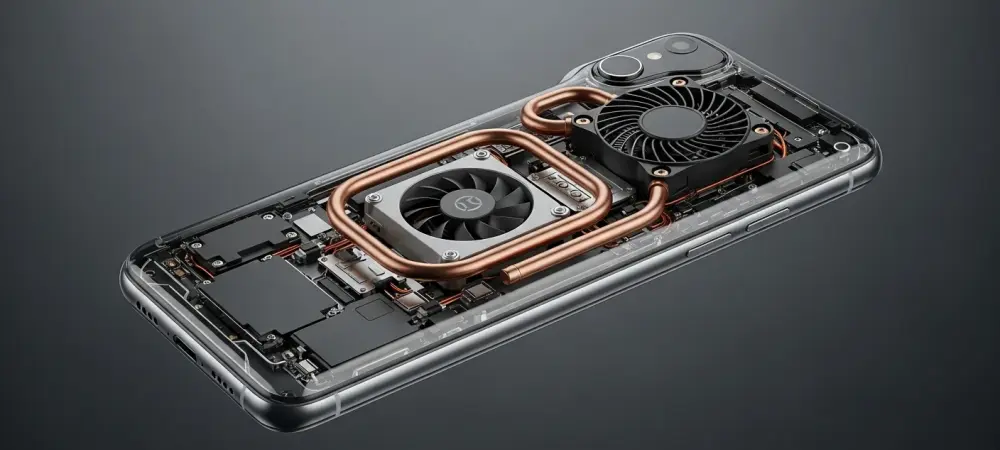
The “Air” moniker suggests a primary focus on a thin and light design, yet this promise is juxtaposed with powerhouse specifications rumored to include the formidable Snapdragon 8 Elite SoC and up to 24 GB of RAM. This combination of a featherlight profile with heavyweight internals forms the core promise of the device. To combat the heat generated by such components, the device incorporates a sophisticated 4D “Ultra-Thick Ice Scale” Vapor Cooling system, complemented by the brand’s signature active cooling fan, directly targeting performance throttling. Furthermore, a significant rumored upgrade to a 7,000 mAh battery, a notable increase from its predecessor’s 6,000 mAh cell, paired with 120W fast charging, aims to provide the stamina required for marathon gaming sessions. The inclusion of a proprietary RedCore R4 gaming chip and a pre-installed PC game emulator further positions the 11 Air as a versatile gaming platform that extends beyond the traditional mobile app ecosystem.
Cutting Through the Hype
A critical examination of the specifications reveals a strategic choice in the Snapdragon 8 Elite, a last-generation flagship processor. While not the absolute newest chip, this decision could offer substantial benefits in thermal management and cost-effectiveness without a significant real-world performance deficit for most current titles. The company’s promotion of nine “cutting-edge” technologies must translate into tangible benefits, such as consistently high frame rates, improved touch latency, and a smoother overall experience in graphically demanding games. Until the official launch event, many of these details, sourced from industry reports, remain unconfirmed, building anticipation for the full reveal.
Assessing Your Arsenal
For the competitive gamer, the RedMagic 11 Air’s emphasis on superior cooling, stable performance, and extended battery life presents a compelling package for ranked matches and tournaments. However, its potential as a daily driver should not be overlooked. The transparent design, slim bezels, and lighter build could appeal to users seeking a primary device that doubles as an elite gaming machine. Prospective buyers should consider several key questions: Is the absolute latest-generation processor a necessity for their gaming habits? How crucial is an active cooling fan for their typical session length? Answering these questions will help determine if the RedMagic 11 Air is the right addition to their tech arsenal.