

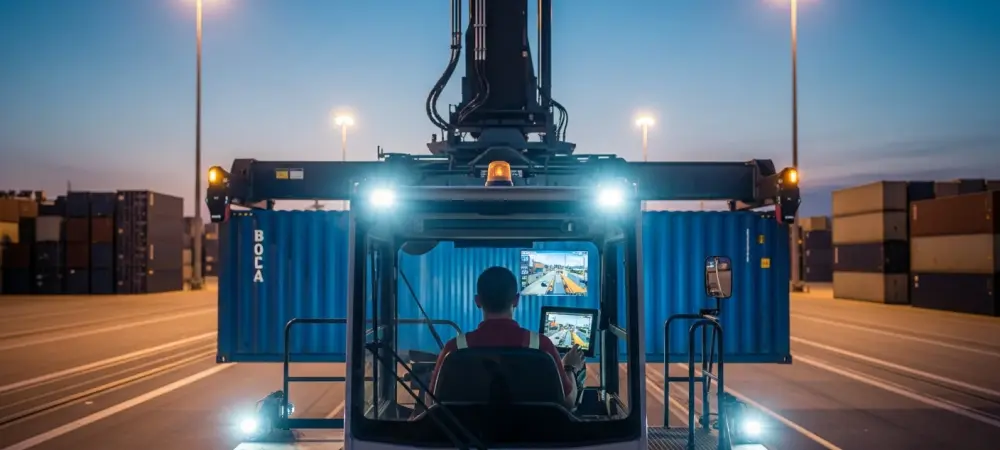
The sheer scale of modern maritime hubs often obscures the daily physical risks faced by the dockworkers who navigate a labyrinth of heavy machinery and moving containers. Historically, these environments have functioned as high-stakes arenas where the margins for error are razor-thin and the consequences of a momentary lapse in judgment are often fatal. Despite the industrial importance of these hubs, the persistent threat of vehicle collisions and crushing incidents has remained a grim reality for the global workforce. However, the recent acceleration of digital integration is fundamentally altering this landscape by introducing a sophisticated layer of technological oversight. By deploying high-definition video telematics and artificial intelligence, port authorities are now able to create a comprehensive digital shield around their personnel. This transformation is not merely about installing cameras; it is about synthesizing data to eliminate the blind spots that have plagued dock operations for centuries, ensuring that safety is no longer a matter of chance but a measurable outcome of a connected ecosystem. This transformation addresses the inherent dangers of the docks, turning them into safer, more efficient industrial hubs that prioritize human life alongside productivity.
Real-World Success: Terminal Safety and Equipment Visibility
The integration of comprehensive camera systems has proven to be a game-changer for major organizations like the Doyle Shipping Group. By installing advanced video telematics across diverse fleets of forklifts and reach stackers, the group has successfully lowered the frequency of serious incidents during recent operational cycles. This approach moves beyond the simple act of recording events for insurance purposes; it creates a complete ecosystem of situational awareness that empowers equipment operators to see exactly what is happening in their immediate vicinity. In the bustling environment of a container terminal, where large machines move at high speeds, providing a 360-degree view is essential for preventing collisions with pedestrians or other vehicles. The success of this implementation has demonstrated that when operators have access to real-time visual data, they make safer decisions and operate with greater confidence, ultimately reducing the downtime associated with accidents and equipment damage.
Technological advancements have also extended to large-scale infrastructure, such as rubber-tyred gantry cranes, which are notoriously difficult to navigate safely due to their massive size and limited lines of sight. By synchronizing high-definition cameras with laser-based collision prevention systems, port operators can now eliminate traditional blind spots that have historically led to crushing injuries. This multi-layered defense ensures that the “strike zones” around heavy equipment remain visible and secure during both day and night shifts, regardless of weather conditions. The synchronization of these sensors allows for an automated safety buffer; if the lasers detect an unexpected obstacle or person within a certain radius, the system can provide immediate audible and visual alerts to the operator. This synergy between video and distance-sensing technology represents a significant leap forward in terminal safety, transforming machines that were once hazardous into precision instruments that interact intelligently with their surroundings.
Operational Accountability: Data-Driven Traffic Management
Operational transparency is another critical benefit of the digital transition, as demonstrated by the protocols adopted by companies like Stena Line. The use of high-definition footage allows management to move beyond anecdotal reports and reconstruct accidents with forensic precision to determine their root causes. Being able to analyze an event in slow motion or from multiple angles helps safety officers understand whether a specific error was the result of human fatigue, mechanical failure, or unpredictable environmental factors. This level of investigative clarity is vital for developing better training programs and ensuring that safety breaches are addressed with factual evidence rather than subjective guesswork. Furthermore, when workers know that their environment is being monitored for safety, there is a natural tendency toward greater adherence to established protocols. This forensic capability also serves to exonerate operators who followed all correct procedures but were involved in an incident due to external factors beyond their control.
At Rosslare Europort, digital tools have been instrumental in managing complex traffic flows during periods of intensive port construction and peak seasonal hours. Monitoring freight movements through a digital lens allows for real-time adjustments to traffic patterns, which is essential for preventing congestion-related accidents in high-traffic zones. This integrated management style not only protects the dockworkers and drivers on the ground but also helps minimize the legal and financial liabilities that often accompany port operations. By utilizing data to predict where bottlenecks might occur, the port can proactively reroute vehicles and equipment to safer areas before a dangerous situation develops. This proactive stance is particularly useful during expansion projects, where the physical layout of the port is constantly changing and traditional safety markers may be temporarily obscured. The ability to maintain a bird’s-eye view of every moving part ensures that the port remains a fluid and safe environment even under the pressure of maximum throughput.
Personnel Protection: Overcoming Barriers to Technology Adoption
A significant hurdle in the widespread adoption of these technologies is the recurring concern among the workforce regarding privacy and the potential for intrusive surveillance. To ensure a successful digital transition, port authorities must explicitly present these advanced tools as a means of safeguarding personnel rather than a method for policing staff behavior or performance. Gaining worker “buy-in” is an essential component of this process, as the technology is only effective if it is used correctly and accepted by those on the front lines of operation. When management engages in open dialogue with labor unions and individual workers about the specific benefits of telematics, the narrative shifts from one of suspicion to one of mutual protection. Explaining how these systems can prevent lifelong injuries or exonerate a driver after a “no-fault” accident helps to build the trust necessary for long-term integration. Transparency about data storage and who has access to the footage is also key to alleviating fears of micromanagement.
When digital systems are utilized as tools for positive reinforcement and educational feedback, the trust deficit between management and labor often begins to disappear. Workers are significantly more likely to embrace new technology when they can see tangible proof that it prevents false liability and literally saves lives on the dock. This human-centric approach ensures that the transition to a high-tech environment is sustainable and widely accepted as a standard part of the maritime profession. By rewarding safe driving patterns and identifying areas where additional training might be needed, companies can foster a culture of continuous improvement rather than a culture of blame. This shift in organizational mindset is perhaps the most important outcome of digital transformation, as it turns safety from a set of rules into a shared value. As workers become more comfortable with these systems, they often provide valuable feedback on how to further optimize the technology, leading to a collaborative safety environment that benefits everyone from the terminal manager to the deckhand.
Advanced Hardware: Ruggedized Solutions for Maritime Environments
The physical hardware used in port environments must be exceptionally rugged to withstand extreme weather conditions, corrosive salt air, and continuous 24-hour operations. Specialized cameras are now designed to provide visibility in very specific areas where crushing injuries are most common, such as the fifth wheel of a terminal tractor or the tight spaces between stacked containers. Wireless and magnetic mounting options have become increasingly popular because they allow for flexible placement, ensuring that every angle of a trailer or a piece of heavy machinery is visible regardless of the specific configuration being used. These robust devices are built to resist high-intensity vibrations and impact, which is a common occurrence in the heavy-duty world of shipping and logistics. By providing clear, uninterrupted video feeds in the harshest environments, these hardware solutions ensure that the digital safety net remains intact even when visibility is poor due to heavy rain, fog, or the darkness of the midnight shift.
The current peak of port safety lies in “active” systems that are powered by sophisticated artificial intelligence and the concept of sensor fusion. Emerging AI-driven cameras are now capable of distinguishing between inanimate objects, such as bollards or crates, and human beings, sounding immediate alarms when a person enters a pre-defined danger zone. By combining visual data with radar and LIDAR technology, port operators are moving closer to the ultimate goal of totally eliminating fatalities and serious injuries within the maritime sector. This level of automation takes the pressure off the human operator by providing an extra set of eyes that never gets tired or distracted. Sensor fusion allows the system to build a three-dimensional map of the environment in real-time, accounting for the speed and trajectory of multiple moving objects simultaneously. As these systems become more affordable and easier to install, they are quickly becoming a standard requirement for any terminal operator looking to modernize their fleet and protect their most valuable asset.
Strategic Implementation: Actionable Steps for Management
For those looking to implement these changes, the most effective first step was to standardize the data protocols across all different types of equipment and terminal locations. This allowed for a centralized dashboard where safety managers could view the real-time status of the entire port from a single interface, facilitating faster response times during emergencies. Training was prioritized to ensure that every staff member understood how to interpret the alerts and maintain the hardware, turning the technology into a natural extension of their daily routine. Furthermore, it was discovered that integrating safety data with operational metrics provided a more holistic view of port health, showing that safer terminals were almost always more productive ones. Investing in scalable solutions that could grow as the port expanded ensured that the initial capital expenditure provided long-term value. By setting clear benchmarks for safety performance, management was able to track the success of their digital initiatives and make adjustments as new risks emerged in the dynamic trade environment.
The maritime industry successfully transitioned from a period of high-risk manual labor to an era defined by digital resilience and proactive worker protection. This evolution required a firm commitment to integrating artificial intelligence and video telematics into every layer of dockside operations, which significantly reduced the incidence of workplace fatalities. Port authorities standardized their safety protocols and invested heavily in the training of their personnel, ensuring that technology served as a partner to human expertise. These initiatives not only saved lives but also streamlined terminal efficiency and reduced the financial burdens associated with insurance claims and equipment repairs. By prioritizing the human element within the digital transition, organizations fostered a culture of transparency and mutual trust that became the bedrock of modern maritime logistics. The successful implementation of these systems proved that a data-driven approach was the most effective way to navigate the complexities of global trade while upholding the highest standards of safety and operational excellence.