

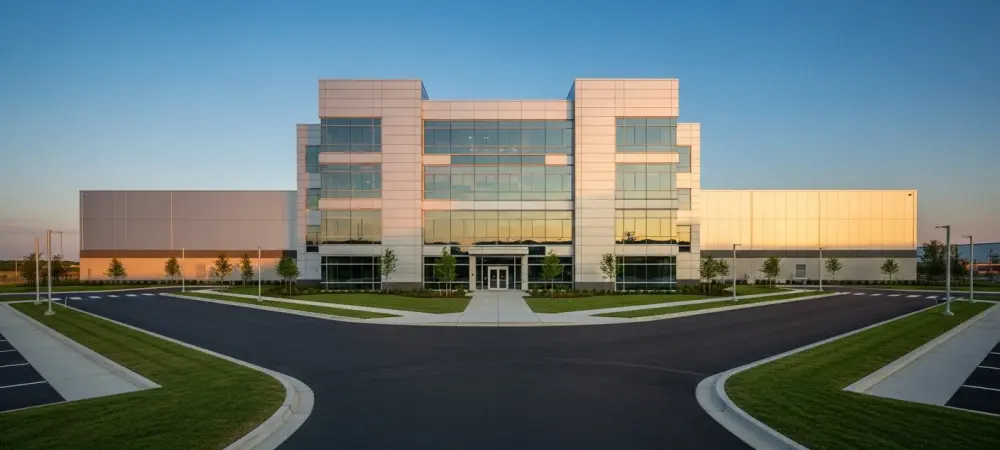
The digital landscape of Europe is undergoing a massive transformation as the demand for high-performance computing and cloud storage continues to outpace existing supply. Digital Realty recently initiated construction on its PAR15 facility in Dugny, a move that signals a significant commitment to expanding the technical infrastructure of the Paris region. This ambitious project aims to revitalize a long-vacant former French Air Force site, turning it into a cornerstone of modern connectivity.
This article explores the details of this large-scale development, answering key questions regarding its design, capacity, and the partnerships driving its success. Readers can expect to learn about the phases of construction, the total power scale of the upcoming Dugny Digital Hub, and the strategic importance of this site for the broader European market.
Key Questions Regarding the PAR15 Development
What Is the Scale and Scope of the New PAR15 Facility?
The PAR15 data center is designed as a massive three-story structure that will provide 66MW of power capacity across more than 23,000 square meters of IT space. This specific facility represents just the beginning of a much larger vision known as the Dugny Digital Hub. When the entire campus is finished, it will encompass three separate buildings, offering a staggering total of 176MW in capacity.
Construction is currently organized into four distinct stages to ensure a smooth transition from groundwork to active service. The first phase of PAR15 is on track for delivery in 2027, at which point it will provide an initial 12MW of capacity for early tenants. This incremental approach allows for precise engineering and testing while meeting the immediate needs of the digital economy.
Who Is Partnering with Digital Realty to Deliver This Project?
To bring this complex infrastructure to life, Digital Realty has appointed Equans Data Centers, a subsidiary of the Bouygues group, as the general contractor. This partnership combines global expertise in data center operations with deep local knowledge of French construction standards and engineering. Together, the firms are focusing on safety, quality, and the implementation of sustainable technologies to create a facility that is truly future-ready.
The collaboration is viewed as a strategic alignment between two industry leaders who recognize the necessity of high-performance infrastructure. Executives have emphasized that the project is not just about building walls and installing servers but about creating a resilient ecosystem that supports mission-critical services. By leveraging advanced engineering, they aim to set a new benchmark for data centers in the region.
Summary of Project Goals and Capacity
The groundbreaking in Dugny serves as a major milestone for Digital Realty’s growth in France. By repurposing a site that had remained idle since 2011, the company is breathing new life into the area while addressing the critical shortage of data center space in Paris. The multi-phase rollout ensures that power and space become available in a controlled, efficient manner through 2027 and beyond. This initiative reinforces the position of Paris as a central node in the global data landscape. With a dozen facilities already operating in the region, the addition of the Dugny Digital Hub significantly boosts the market share of the provider. The focus remains on delivering high-capacity, reliable infrastructure that can handle the evolving workloads of modern enterprises.
Final Thoughts on the Future of European Infrastructure
The development of PAR15 demonstrated how strategic partnerships and large-scale investments were necessary to keep up with the global appetite for data. As the project moved forward, it highlighted the importance of choosing locations that offered both historical space and the potential for massive power scalability. Stakeholders realized that the success of such hubs depended on the integration of advanced engineering and a long-term vision for sustainability.
As businesses continue to migrate toward cloud-heavy operations, these facilities will serve as the backbone of the economy. Looking ahead, the focus shifted toward optimizing these massive sites for even greater energy efficiency and higher density workloads. This project provided a blueprint for how decommissioned land could be transformed into the critical infrastructure of the modern age.