

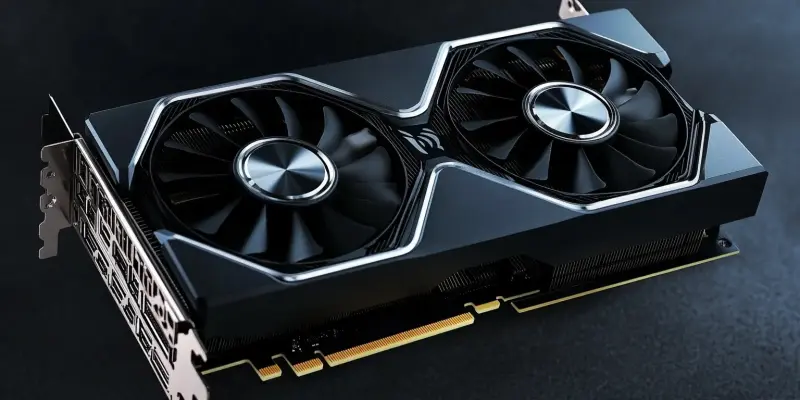
A recent incident involving the sale of the highly coveted NVIDIA RTX 5080 graphics card has sparked widespread controversy and drawn significant attention from the tech community. The episode centers around a Taiwanese customer who prepaid the equivalent of $1312 for a new graphics card and accompanying computer components from the retailer Cool PC. However, upon collection, the customer was informed of a price increase for the RTX 5080 and was forced to choose between paying the additional amount or returning the graphics card. This unexpected demand left the customer frustrated and in search of advice on local computer forums, quickly turning this isolated incident into a major talking point within the community.
Community Backlash and Retailer Response
The customer’s plight soon caught the attention of Tom’s Hardware, which sought to clarify the situation by commissioning a Mandarin speaker to review local media reports. Taiwanese commentators found it improbable that a reputable retailer like Cool PC would engage in such practices, leading to suspicions that individual store employees might have exploited the situation for personal gain. This sentiment resonated with many within the community, who took to forums to express their outrage and offer support to the affected customer.
This public backlash prompted a response from Cool PC, who eventually agreed to honor the initially agreed-upon price for the RTX 5080. The retailer asked the customer to remove the initial complaint post, which the customer complied with. Nonetheless, discussions about the incident continued to proliferate on other forums, revealing lingering concerns about potential exploitation in the market. This story highlights the powerful role that online communities can play in advocating for fair treatment and influencing retailer behavior.
The broader conversation also drew attention to prevailing issues within the NVIDIA RTX 50 series graphics card market. Amid soaring demand and skyrocketing prices, consumers and vendors alike find themselves maneuvering through a “gold rush” environment. This demanding market presents numerous challenges, with both buyers and sellers navigating ethical considerations and intense competition. The intense focus on securing these high-demand items underscores the complexities and tensions inherent in the current tech market dynamics.
Consumer Protection and Market Implications
The controversy surrounding the RTX 5080 incident sheds light on the significant consumer protection issues arising in overheated tech markets. As demand for high-performance graphics cards surges, so do the opportunities for unscrupulous practices that may harm consumers. The RTX 5080 scenario serves as a case study in how market pressures can lead to ethical breaches and potential exploitation, underscoring the need for robust consumer protection mechanisms and vigilant regulatory oversight.
Online communities have demonstrated their influence once again by rallying behind the aggrieved customer and holding retailers accountable. These digital forums provide a platform for consumers to share their experiences, seek advice, and collectively advocate for fair treatment. In this case, the community’s swift and vocal response prompted Cool PC to rectify the situation and reaffirm their commitment to customer fairness.
Looking ahead, the tech community must remain vigilant in monitoring market behaviors and advocating for ethical practices. Retailers, too, must prioritize transparency and integrity, ensuring that their policies and actions align with fair treatment and respect for consumer rights. As tech markets continue to evolve and innovate, maintaining ethical standards and protecting consumer interests will remain paramount.
The RTX 5080 incident ultimately serves as a stark reminder of the importance of consumer protection in rapidly changing markets. It calls attention to the necessity of maintaining vigilance and reinforcing ethical standards across the industry. This case also highlights the powerful role that online communities can play in rectifying injustices and promoting fair practices, demonstrating their potential to effect positive change within the consumer tech space.
The Role of Online Communities in Consumer Advocacy
A recent incident involving the sale of the sought-after NVIDIA RTX 5080 graphics card has ignited significant controversy and captured the tech community’s attention. The situation revolves around a Taiwanese customer who prepaid $1312 for the new graphics card and related computer parts from Cool PC. However, upon picking up his order, the customer was shocked to learn that the price of the RTX 5080 had increased. Faced with an ultimatum, he had to either pay the additional cost or return the graphics card. This sudden and unexpected demand left the customer feeling frustrated and seeking advice on local computer forums. His experience quickly escalated into a hot topic of discussion within the tech community, highlighting issues of transparency and fairness in pricing practices. The incident not only underscores the high demand for the NVIDIA RTX 5080 but also raises broader concerns about consumer rights and retailer accountability, fueling an ongoing debate among tech enthusiasts and industry watchers.