

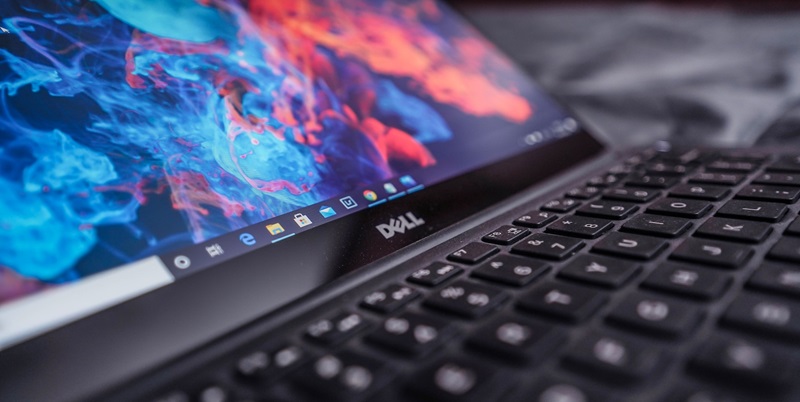
As anticipation builds for the upcoming CES trade show, Dell has made an exciting announcement – a revamped lineup for its XPS laptops. The company has made significant changes to its offerings, including the elimination of the 13-inch Plus and 17-inch models, and the introduction of all-new 14-inch and 16-inch models. Let’s delve into the details of Dell’s latest release and what it means for consumers.
Changes in the Lineup: A Bold Move
In a bold move to optimize its product range, Dell bid farewell to the 13-inch Plus and 17-inch models. Instead, the company now offers cutting-edge 14-inch and 16-inch models. These new additions give consumers more options when it comes to selecting the perfect laptop size and cater to a wider range of preferences. By revamping the lineup, Dell aims to provide a better user experience and meet the evolving needs of its customers.
Range of Sizes and Apple Comparison
With the standard 13-inch model still part of the lineup, Dell now matches Apple’s range of sizes. This strategic move by Dell doesn’t seem like a coincidence, as it enables the company to directly compete with Apple’s market share. By offering the same variety in sizes as Apple, Dell aims to attract customers who value different form factors and want a comparable experience. This move signifies Dell’s commitment to remaining on par with its competitors and catering to diverse customer demands.
The Focus on AI: Powering the Future
In the year 2024, Dell’s new laptops proudly showcase their AI prowess. All models in the revamped lineup come outfitted with the latest Intel Core Ultra processors, which harness the power of artificial intelligence to deliver enhanced performance. With AI becoming increasingly integrated into various technologies, Dell’s focus on this aspect demonstrates its commitment to staying at the forefront of innovation. The inclusion of AI technology in their laptops ensures that users enjoy a seamless and efficient computing experience, with optimized performance and responsiveness.
Design Language and Productivity: Streamlined Solutions
One outstanding feature of the XPS lineup is its consistent design language across all models. Regardless of the screen size, the 13, 14, and 16-inch models share the same design principles, creating a unified look and feel. This design approach not only provides aesthetic continuity but also helps eliminate distractions, enabling users to focus on productivity. When browsing the lineup, consumers can easily make purchasing decisions based on their preferred screen size without compromising on design or functionality.
Display Capabilities: Dell’s Advantages
While Dell and Apple compete in various aspects, one area where Dell still holds a clear advantage is its displays. The XPS lineup offers the option for OLED panels with touch across all models. This means users can expect stunning visuals, vibrant colors, and superior touch functionality for a more immersive computing experience. Dell’s commitment to providing top-tier displays contributes to its reputation as a leading brand in the laptop market and offers a compelling reason for customers to choose their products over competitors.
Specifications: Performance and Power
When it comes to specifications, Dell’s XPS lineup doesn’t disappoint. According to reports from The Verge, the XPS 13 model is the only laptop in the lineup that will forego dedicated graphics. This decision suggests that Dell is targeting a specific audience with the XPS 13, focusing more on portability and everyday usage rather than intensive graphics applications. On the other hand, the XPS 16 is set to feature the flagship Core Ultra 9 185H CPU, which promises exceptional performance. Although this CPU wasn’t included in the official launch, its potential capabilities elevate the XPS 16 as a powerful contender in the market.
Pricing Information: A Range of Options
For those considering a purchase from the refreshed XPS lineup, Dell offers a range of options to fit different budgets. The XPS 13 starts at $1,299, providing an affordable entry point for users looking for a compact and powerful laptop. The XPS 14 comes in at a higher price point, starting at $1,699, offering a larger screen size and enhanced features. Finally, the 16-inch model, boasting advanced specifications and an immersive display, is available starting at $1,899. Dell ensures that there is a laptop for every customer, catering to various needs and budgets.
Dell’s decision to revamp its XPS laptop lineup for 2024 demonstrates its commitment to innovation and customer satisfaction. By eliminating certain models and introducing new sizes, Dell aims to provide a better user experience and broaden its customer base. The focus on AI technology, consistent design language, superior displays, and diverse specifications ensures that users have access to powerful and customizable laptops that suit their individual needs. With a range of pricing options, Dell ensures that its revamped XPS lineup is accessible to a wide range of consumers. As Dell unveils its new lineup at CES, customers eagerly await the chance to experience the power and innovation that these laptops bring to the table.