

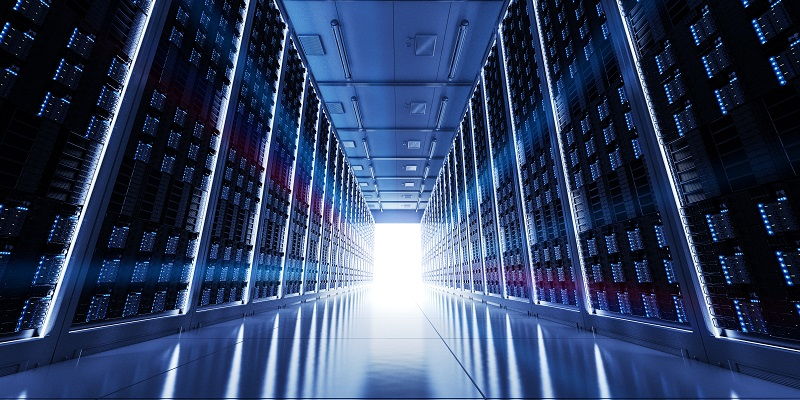
DataBank, a leading provider of data center solutions, is set to expand its data center outside Salt Lake City, Utah. The expansion project aims to meet the increasing demand for computing resources in one of the fastest-growing technology hubs in the country. With its SL6 colocation facility already offering substantial raised floor space and critical power, the planned expansion will further enhance DataBank’s capacity to support the region’s thriving tech ecosystem.
Expansion Details
DataBank’s SL6 colocation facility currently provides nearly 90,000 sq ft (8,360 sqm) of raised floor space, along with 22MW of critical power. The upcoming expansion, expected to be completed in the first quarter of 2024, will add an additional 25,000 sq ft (2,320 sqm) of raised floor space and 6MW of critical power. This significant boost in capabilities will cater to the escalating needs of businesses and organizations for secure and reliable data center services.
Salt Lake City as a Technology Hub
Salt Lake City has emerged as a prominent technology hub, attracting both established innovators and flourishing startups. The city’s rapid growth in the technology sector can be attributed to its favorable business climate, skilled workforce, and robust infrastructure. Recognizing this trend, DataBank’s expansion at SL6 is strategically positioned to meet the rising demand for data center facilities in the region.
Benefits for Data Science and Startups
DataBank’s infrastructure resources play a crucial role in promoting data science innovation and supporting the numerous tech startups in Salt Lake City. The expanded SL6 facility will offer a conducive environment for data-driven research and development, enabling scientists and entrepreneurs to push the boundaries of technological advancements. By providing reliable and secure computing resources, DataBank empowers startups to scale their operations and compete on a national and global level.
Alternative to Expensive Data Centers in California
Salt Lake City has emerged as a go-to destination for businesses seeking cost-effective data center solutions. The city offers an attractive alternative to the expensive data centers in California, providing comparable infrastructure and services at a more affordable price point. DataBank’s expansion in Salt Lake City not only signifies the company’s commitment to meeting growing demands but also aligns with the broader trend of choosing more cost-efficient data center locations.
Previous and Future Expansions
DataBank’s commitment to expanding its presence in Salt Lake City is evident from its recent endeavors. The company opened the SLC5 data center in July 2020 and swiftly expanded its capacity by adding a third hall in May 2021. Even during the opening of SLC5, plans were already underway for SLC6, demonstrating DataBank’s forward-thinking approach to meeting the evolving needs of its clients. Furthermore, DataBank has recently revealed its intentions to build a seventh facility in Salt Lake City, highlighting the company’s long-term vision for supporting the region’s thriving technology ecosystem.
DataBank’s expansion of its data center facility in Salt Lake City comes at a time when the city is experiencing rapid growth as a technology hub. The increased capacity of the SL6 colocation facility will cater to the rising demand for secure and reliable data center solutions. By providing a conducive environment for data science innovation and meeting the needs of tech startups, DataBank plays a vital role in driving the region’s technological progress. Salt Lake City’s emergence as an attractive alternative to costly data centers in California further solidifies the city’s position as a leading destination for data center operations. As DataBank continues to expand its footprint across the country, the company remains dedicated to supporting the growth and success of businesses in Salt Lake City and beyond.