

Introduction
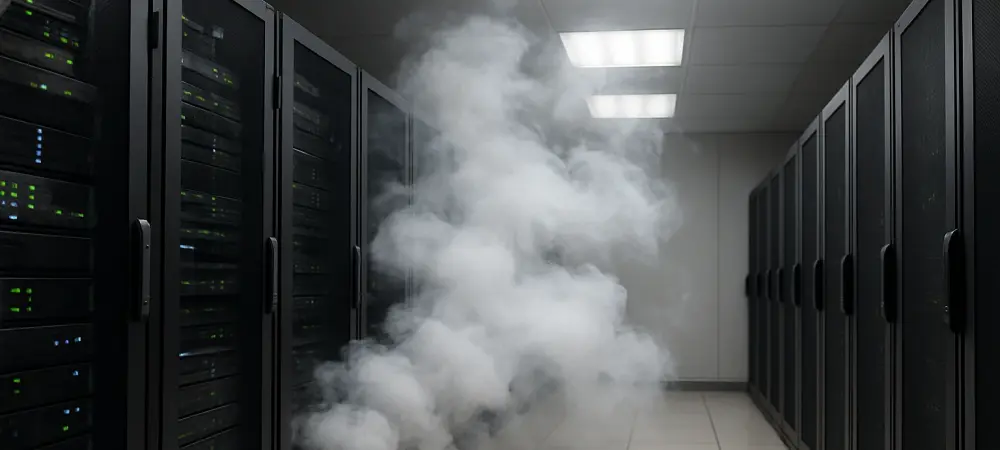
Imagine a sprawling data center, the heartbeat of global digital operations, suddenly engulfed in smoke and flames, with millions of dollars in equipment and critical data at stake, creating a nightmare for operators. Such a scenario, where even a small fire can lead to catastrophic outages costing upwards of $100,000 per incident as highlighted by recent industry reports, underscores the urgent need for advanced fire detection systems in these high-stakes environments.
The purpose of this FAQ article is to address common questions surrounding the adoption of aspirating smoke detection (ASD) systems in data centers. By exploring key concepts and challenges, the content aims to provide clear guidance on why this technology is becoming a cornerstone of safety strategies.
Readers can expect to gain a comprehensive understanding of ASD systems, their operational benefits, and how they mitigate fire risks in unique data center settings. The following sections break down essential topics to inform and equip stakeholders with actionable insights.
Key Questions About Aspirating Smoke Detection in Data Centers
What Is Aspirating Smoke Detection and Why Does It Matter for Data Centers?
Aspirating smoke detection, often abbreviated as ASD, is a sophisticated fire detection technology that actively draws air samples from a protected area through a network of pipes to a central unit for analysis. This method allows for the identification of smoke particles at extremely low concentrations, often before a fire becomes visible or destructive. In data centers, where densely packed equipment and constant airflow create challenging conditions, this early warning capability is invaluable.
The significance of ASD lies in its ability to prevent the staggering financial losses associated with downtime. With outages potentially costing millions, early detection can mean the difference between a minor incident and a total shutdown. This technology addresses the limitations of traditional detectors, which may fail to identify smoldering fires in environments filled with electrical components.
How Do ASD Systems Work in Data Center Environments?
The functionality of ASD systems revolves around a network of perforated pipes strategically placed in critical areas such as server racks and power supply zones. Air is continuously sampled through these pipes and transported to a central detection unit equipped with advanced LED or laser-based sensors. If smoke particle levels exceed predefined thresholds, alarms are triggered to alert operators. This setup is particularly effective in high-airflow spaces where cooling systems are always active, as it ensures consistent monitoring despite rapid air movement. The ability to detect minute particles allows for intervention well before flames or heavy smoke emerge, giving staff time to investigate and mitigate risks.
Moreover, the technology minimizes false alarms by distinguishing between dust and actual smoke, a common issue in environments with circulating air and fine particles. Such precision ensures that alerts are credible, reducing unnecessary disruptions to operations.
What Are the Main Benefits of Using ASD Systems in Data Centers? One standout advantage of ASD systems is their customizable sensitivity settings, which allow operators to adjust detection levels based on specific zones within a facility. High sensitivity can be set for critical areas housing vital servers, while lower sensitivity in less crucial spaces helps avoid unwarranted alarms.
Another benefit is the cost-effective coverage of large areas with a single detection unit, making it a practical choice for expansive data centers. This scalability, combined with effectiveness in challenging airflow conditions, positions ASD as a superior alternative to conventional systems that may struggle under similar circumstances.
Additionally, the reduction in false positives enhances operational efficiency. By ensuring that alarms are triggered only when a genuine threat is present, staff can focus on real issues without wasting resources on unnecessary evacuations or checks.
How Do ASD Systems Integrate with Broader Safety Measures? Integration with comprehensive fire alarm systems and remote monitoring tools marks a significant advancement in ASD technology. When connected to centralized dashboards, these systems provide real-time updates and mobile notifications, ensuring that alerts are received promptly, even across multiple or global facilities.
This connectivity allows for a multi-level alarm structure, where an initial warning signals rising particle levels, followed by a confirmed smoke detection alarm if conditions worsen. Such a tiered approach enables teams to respond proactively, potentially powering down equipment to prevent fire escalation.
The seamless linking with broader safety protocols ensures round-the-clock protection, minimizing risks of personnel injury and equipment damage. This integration reflects a trend toward smarter, connected solutions in facility management, prioritizing rapid response and data-driven decision-making.
Why Are Traditional Fire Detection Methods Insufficient for Data Centers?
Conventional fire detection methods, such as spot detectors, often fall short in data center settings due to the unique challenges posed by high equipment density and subtle fire origins. Smoldering fires, common in electrical systems, can go undetected until they escalate into major incidents, causing extensive harm.
These traditional systems may also struggle with high airflow from cooling mechanisms, which can dilute smoke and delay detection. In contrast, ASD technology actively samples air, overcoming this barrier and providing a more reliable safeguard against hidden threats.
The inadequacy of older methods is further compounded by the high cost of downtime in modern data centers. As operational complexity increases, the need for proactive, sensitive detection becomes undeniable, pushing facilities to adopt more advanced solutions like ASD.
Summary of Key Insights
The discussion above outlines the pivotal role of aspirating smoke detection systems in safeguarding data centers from fire risks. Key points include the technology’s early warning capabilities, its adaptability to high-airflow environments, and the operational efficiency gained through reduced false alarms and customizable settings.
Integration with broader safety systems and remote monitoring further enhances the effectiveness of ASD, ensuring constant awareness and swift response. These features collectively address the shortcomings of traditional detection methods, offering a robust defense against potential disasters.
For those seeking deeper knowledge, exploring industry reports on data center safety trends or consulting with fire protection experts can provide additional perspectives. Such resources offer valuable guidance on tailoring solutions to specific facility needs.
Final Thoughts
Reflecting on the insights shared, it becomes evident that the shift to aspirating smoke detection in data centers marks a critical evolution in safety practices. This technology stands as a testament to how innovation can meet the pressing demands of protecting vital digital infrastructure. Moving forward, stakeholders should consider conducting thorough risk assessments with industry specialists to ensure that detection systems align with unique operational requirements. Investing in integrated solutions with remote monitoring capabilities is a practical step to bolster preparedness.
As data centers continue to underpin global connectivity, prioritizing advanced fire protection through ASD adoption emerges as not just a safety measure, but a strategic imperative. Taking action to implement or upgrade these systems could define the resilience of facilities in an increasingly complex landscape.