

In an era where digital infrastructure is the backbone of global connectivity, the demand for expansive, high-capacity data centers has never been more critical, with companies racing to secure strategic locations that can support the explosive growth of cloud computing and artificial intelligence. A major player in this space has unveiled ambitious plans to establish a transformative facility in a key Midwestern region. This development promises not only to enhance technological capabilities but also to bring substantial economic benefits to the surrounding community. Spanning hundreds of acres, the project is poised to become one of the largest of its kind in the area, reflecting a broader industry trend of integrating sustainable practices with cutting-edge infrastructure. As digital needs continue to surge, initiatives like this highlight the intersection of innovation and local impact, setting the stage for a deeper exploration of what this means for the future of data management and regional growth in Illinois.
A Strategic Expansion in Sangamon County
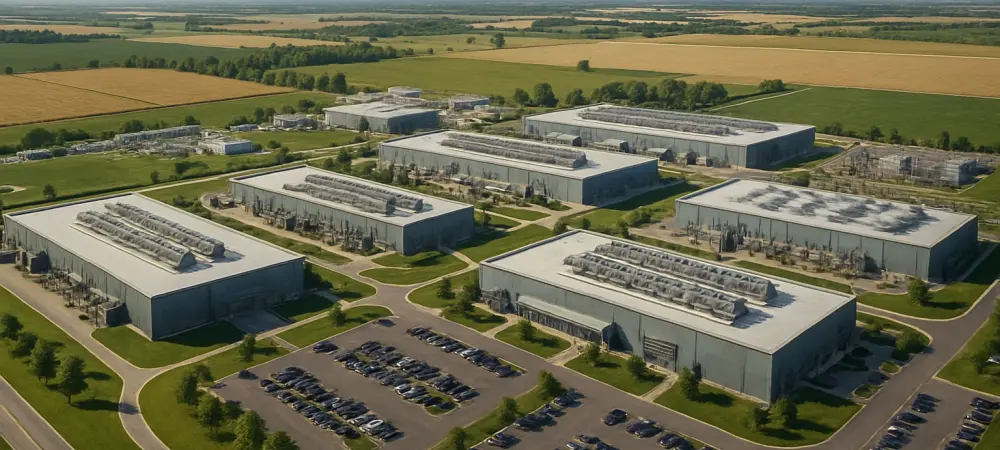
A leading data center company is setting its sights on southern Illinois, specifically Sangamon County, with a proposed 600MW campus located at the northwest corner of Thayer and Clark roads in Talkington Township. This $500 million investment covers 280 acres and could include up to six buildings, each around 250,000 square feet, totaling 1.5 million square feet of space. Positioned roughly 14 miles southwest of Springfield and 80 miles north of St. Louis, Missouri, the site benefits from proximity to a major solar farm that began operations recently, aligning with a focus on energy efficiency through innovative closed-loop air cooling systems. Construction is expected to kick off soon, with the first phase anticipated to be operational within a couple of years, by 2027. Currently, the proposal awaits zoning approval, with reviews scheduled before the Sangamon County zoning board of appeals and the county board in the coming weeks. This project underscores a calculated move to leverage the region’s robust power infrastructure and access to a skilled workforce for maximum impact.
Economic and Industry Implications
The proposed campus in Sangamon County stands to deliver significant economic advantages, as highlighted by local leaders and the company behind the initiative. The substantial tax revenue and job creation potential are expected to boost the county’s assessed value and overall economic health, fostering growth in a region poised for development. Beyond local benefits, this development reflects a wider trend in the data center industry, where proximity to renewable energy sources and strategic geographic positioning are becoming critical factors in site selection. With over 50 facilities already operational across the US and Europe, including several in Illinois near Chicago, the company is reinforcing its commitment to expanding digital infrastructure. Additional projects in the state, such as smaller facilities and long-term campus plans spanning the next 10 to 20 years, further emphasize this focus. Looking back, the approval process marks a pivotal moment, promising to solidify Illinois’ role as a hub for technological advancement while balancing community and industry needs for a sustainable future.