

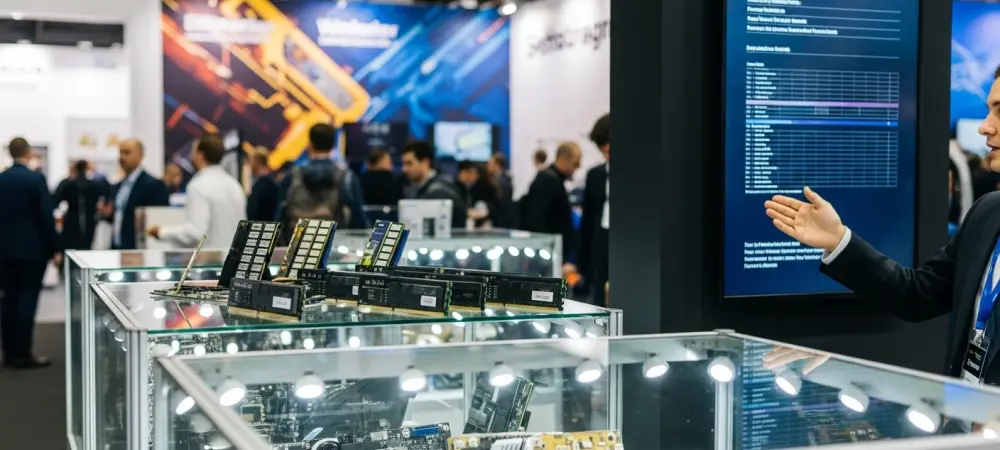
Dominic Jainy brings a sharp, analytical perspective to the volatile world of semiconductor supply chains, blending his deep knowledge of artificial intelligence with a practical understanding of hardware manufacturing. As the DRAM market faces unprecedented shifts due to the global AI boom, many looked toward emerging Chinese players like CXMT to provide a much-needed relief valve for soaring component costs. We sat down with Dominic to discuss why the anticipated price war in the memory sector has failed to materialize and what the reality of the global DDR5 landscape looks like from the showroom floors of the industry’s biggest trade shows.
While some expect emerging memory manufacturers to undercut the market, current DDR5 pricing for new entrants like CXMT seems to tell a different story; what is the reality of the situation on the ground?
The narrative that CXMT would swoop in and slash prices to save the consumer market is hitting a wall of cold, hard reality. After speaking with multiple vendors, it’s clear that their DDR5 solutions are priced almost exactly on par with the industry titans—Samsung, SK Hynix, and Micron. There is no magical discount or “cheap” alternative here; you are essentially paying a standard market rate for these modules. It is a bit of a wake-up call for those who thought a price war was imminent, as the costs of production and the sheer complexity of these high-speed circuits simply don’t allow for deep undercutting right now. You can feel the frustration from builders who expected a bargain, but the numbers don’t lie: the pricing parity is almost absolute across the board.
If the price isn’t the primary differentiator for these newer modules, what actual advantages do they bring to the table for global hardware vendors right now?
The real win for CXMT isn’t the price tag, but the sheer availability of their silicon and their surprisingly flexible business tactics. While the “Big Three” manufacturers are currently obsessed with high-margin products like HBM and SOCAMM to feed the AI gold rush, CXMT is doubling down on the client segment and investing big time in new factories to double their production capacity. They aren’t distracted by the flashy AI demands of data centers, which means they actually have a steady supply of DRAM for mainstream consumers who just want a working PC. Furthermore, they are winning over partners by refusing to force the heavy penalties that global giants use to squeeze customers. In a world where legacy makers demand full costs upfront and penalize you for future orders if you don’t comply, CXMT’s “no-drama” approach is a massive relief for vendors trying to manage their inventory.
Where does the technology currently stand for these emerging chips, and are they ready to compete with the high-performance solutions we see from legacy brands?
Technically, there is still a noticeable gap, and the company is largely confined to the entry-level and mainstream tiers for now. While we have seen them push speeds up to 8000 MT/s and move RDIMMs into production, they are still trailing behind when it comes to premium, sophisticated architectures like CUDIMM, CQDIMM, or MRDIMM. You won’t see these chips in the bleeding-edge enthusiast builds just yet because they simply haven’t matched the advanced processes of their global rivals. Most vendors are currently in the phase of validating these chips for basic modules, targeting the Chinese domestic market first before they gradually trickle into the global supply chain. It’s a steady climb, but for now, if you are looking for the absolute peak of memory performance, the legacy players still hold the crown.
What is your forecast for the DRAM market?
I expect the DRAM market to remain sharply bifurcated between the high-performance AI sector and the steady, reliable client market for the foreseeable future. As CXMT continues its aggressive expansion and refines its manufacturing bins, the legacy giants will likely continue to lose their grip on the entry-level segment because they are too preoccupied chasing the infinite margins of AI chips. We are heading toward a future where “made in China” memory becomes the sturdy backbone of everyday computing, while Samsung and SK Hynix become boutique suppliers for specialized data centers. It will be a slow, methodical migration, but the stability of supply and the lack of predatory contract penalties will eventually matter more to the average consumer and vendor than the brand name stamped on the PCB.