

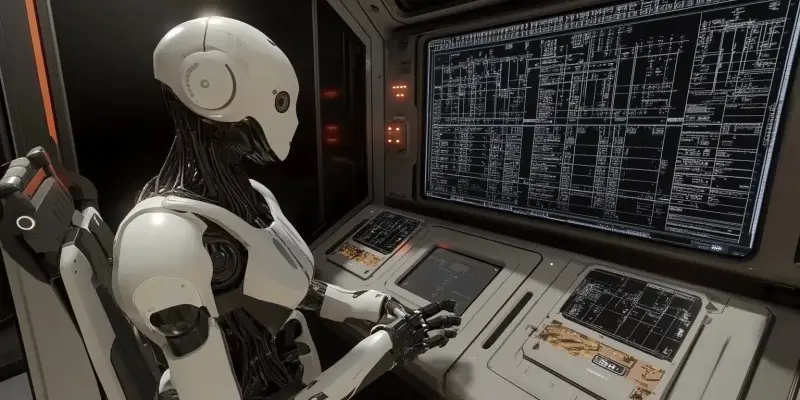
In the rapidly advancing world of robotics, one key factor that has been driving innovation and breakthroughs in robot simulation is the strategic deployment of cross-functional teams. These teams, consisting of experts from various domains such as robotics engineering, software development, artificial intelligence (AI), and physics modeling, are proving to be invaluable in tackling the complex challenges of simulating robot behaviors in intricate environments. The necessity of an interdisciplinary approach becomes evident when considering the multifaceted nature of robotics, where isolated experts struggle to make significant strides. The synergy created by integrating diverse expertise leads to more comprehensive solutions, ultimately accelerating technological advancements and addressing critical issues more effectively.
Pioneer in Cross-Functional Collaboration
Ruchik Thaker, a renowned figure in the field of robotics simulation, has shown that interdisciplinary collaboration can result in noteworthy technological advancements. Thaker’s pioneering work highlights the advantages of cross-functional teams in developing sophisticated simulation platforms that closely replicate real-world dynamics. By involving software engineers and hardware developers, Thaker’s teams have not only optimized system operations but have also enhanced simulation precision. This precision is crucial for testing and designing robotic systems, reducing the resources and time typically required.
Another key aspect of Thaker’s approach is the emphasis on effective communication across various teams. His methods have led to profound improvements in transferring simulated training to physical environments, thereby enhancing the reliability of robotic systems in diverse applications. Thaker’s contributions illustrate that technical achievements alone are insufficient; alignment with user needs and market demands is essential for fostering a culture of innovation and cross-functional knowledge sharing. This collaboration not only results in high-quality products but also ensures that these products meet practical and commercial requirements, setting new industry benchmarks.
Enhanced Simulation Platforms
The cornerstone of recent advancements in robotics simulation lies in the development of robust platforms that can accurately replicate complex real-world dynamics. Cross-functional teams have played a critical role in achieving this by bringing together their varied expertise. These platforms have significantly reduced the duration and costs associated with the design and testing of robotic systems. Thaker’s teams have shown that by combining the skills of software engineers with those of hardware developers, it is possible to streamline processes and expedite the pace of innovation in robotic design.
This integrated approach has resulted in simulation environments that are not only precise but also adaptable to different scenarios. This flexibility is essential for training robots to perform a wide range of tasks in varying conditions. By leveraging the collective knowledge of diverse professionals, these platforms can address complex challenges that single-discipline experts would find daunting. Enhanced simulation platforms ensure that robots perform reliably when deployed in the field, minimizing failures and improving overall efficiency.
Improved Communication and Knowledge Sharing
Effective communication is a critical factor when it comes to successful cross-functional teamwork. Thaker’s model emphasizes transparent and frequent communication among team members from different disciplines. This open dialogue is essential for integrating the varied perspectives and expertise of team members, leading to more innovative solutions. The frequent exchange of ideas and knowledge not only aids in problem-solving but also fosters a collaborative culture where each member feels valued and heard.
Knowledge sharing is another crucial element that cross-functional teams bring to the table. By collaborating closely, team members can impart their specialized knowledge to others, creating a broader understanding of the project among the entire team. This shared knowledge base is instrumental in addressing unforeseen challenges swiftly and efficiently. In this way, cross-functional teams are not only more innovative but also more resilient, capable of handling disruptions and pivoting strategies as needed.
Conclusion and Future Considerations
Recent advancements in robotics simulation owe much to the development of robust platforms capable of accurately mimicking complex real-world dynamics. The success of these platforms has largely been propelled by cross-functional teams, where diverse expertise converges. These platforms have drastically cut down both the time and costs associated with designing and testing robotic systems. Teams led by Thaker have demonstrated that integrating the skills of software engineers with those of hardware developers can streamline processes and accelerate innovation in robotic design.
This holistic approach has produced simulation environments that are not only highly accurate but also flexible enough to adapt to various scenarios. Such adaptability is crucial for training robots to perform numerous tasks under diverse conditions. This collective effort of experts from different disciplines allows the platforms to tackle intricate challenges that would be overwhelming for specialists from a single field. Enhanced simulation platforms ensure robots operate reliably in real-world applications, reducing failures and boosting overall efficiency, making significant strides in the field of robotics.