

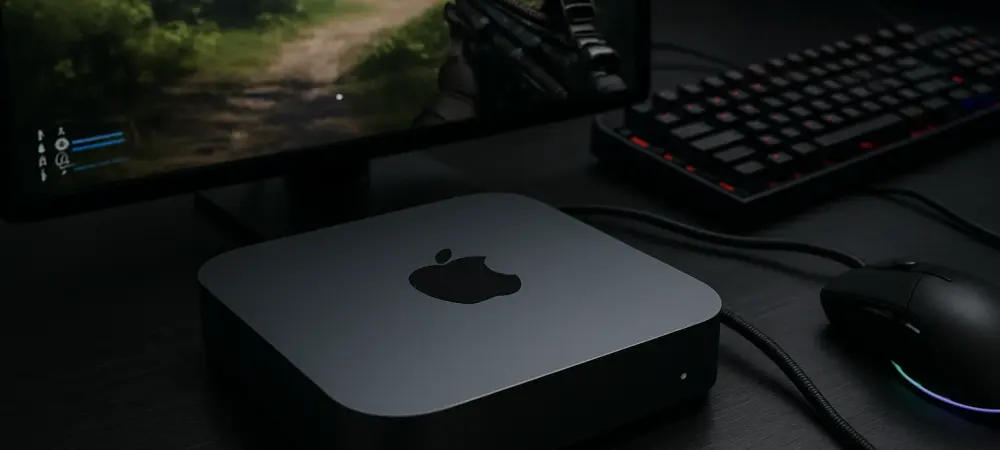
The tech landscape is abuzz with speculation about Apple’s rumored M5 and M5 Pro Mac mini, a device that could potentially transform the compact desktop market with its blend of power and affordability, captivating users who crave high performance. For years, the Mac mini has carved a niche as a standout mini PC, drawing in users with its small footprint and impressive capabilities, especially for those who want top-tier performance without the hefty price tag of larger systems. Now, with whispers of groundbreaking upgrades on the horizon, including the much-anticipated M5 chip, this next-generation device might just emerge as a dream machine for gamers and power users alike. The idea of a Mac mini tailored for gaming—once a far-fetched notion—feels tantalizingly close, as Apple seems poised to challenge long-held assumptions about what a compact desktop can achieve. This exploration delves into the rumored features, performance potential, and market positioning of the M5 Pro model, unpacking whether it could indeed redefine the gaming experience in a sleek, minimalist package.
Unleashing Power with the M5 Chip
Rumors surrounding the M5 Mac mini suggest a significant leap forward, with a projected performance increase of 15-25% over the already robust M4 model, setting a new benchmark for compact computing. This boost isn’t just about raw speed; it’s paired with advanced connectivity features like Thunderbolt 5 and Wi-Fi 7, ensuring the device is equipped for the demands of modern workflows and online interactions. For users handling resource-intensive applications or multiplayer gaming, this translates to smoother operations and faster data transfers, all without the need for a sprawling tower setup. The M5 chip’s architecture is expected to optimize efficiency, meaning longer sessions of use without overheating or throttling, a critical factor for sustained performance in demanding scenarios. If these speculations hold true, the Mac mini could solidify its reputation as a powerhouse that punches well above its weight class, appealing to a broad spectrum of tech enthusiasts.
Diving deeper into the M5 Pro variant, the focus shifts to its enhanced graphical capabilities, which could be a game-changer for visually intensive tasks. Unlike the base model, the Pro version is rumored to feature a higher number of graphical cores, promising a noticeable edge in rendering complex scenes or high-resolution content. This improvement aligns with Apple’s ongoing efforts to refine its silicon for specialized needs, ensuring that professionals in creative fields and gamers seeking immersive experiences find equal value in the device. Beyond sheer power, the integration of cutting-edge tech like Thunderbolt 5 could enable seamless connections to external GPUs or high-speed storage, further expanding the Mac mini’s versatility. Such advancements hint at a future where compact devices no longer mean compromised performance, potentially positioning the M5 Pro as a cornerstone for those who demand excellence in a minimal footprint.
Redefining Gaming on a Mac Platform
For decades, the notion of gaming on a Mac has been met with skepticism, often overshadowed by the dominance of Windows-based systems in this arena, but the M5 Pro Mac mini could shift that paradigm with remarkable innovations. Apple’s MetalFX frame generation technology is at the forefront of this transformation, rumored to deliver unprecedented frame rates that rival dedicated gaming rigs, all within the Mac mini’s compact shell. This means that titles notorious for taxing hardware, such as Cyberpunk 2077, could run with fluidity previously unimaginable on a Mac, offering gamers a compelling reason to consider Apple’s ecosystem. The potential for high-quality visuals and responsive gameplay might finally bridge the gap between casual and serious gaming on this platform, challenging preconceived notions about what a Mac can handle.
Beyond technological advancements, the M5 Pro Mac mini’s appeal as a gaming machine lies in its accessibility for budget-conscious players who still desire top-tier performance. Unlike high-end gaming PCs that often come with steep price tags and bulky designs, this device promises to pack a punch at a fraction of the cost, maintaining Apple’s signature sleekness. The ability to dive into graphically demanding games without sacrificing desk space or draining savings could attract a new wave of users, from hobbyists to streamers looking for reliable hardware. Additionally, Apple’s focus on optimizing software for gaming suggests a long-term commitment to this market, with updates and developer support likely to enhance the experience over time. If these rumors materialize, the Mac mini could emerge as a viable, even preferred, choice for gamers seeking a blend of power and practicality.
Timeless Design Meets Modern Needs
When it comes to aesthetics and build, the M5 Mac mini is expected to retain the recently updated aluminum chassis that has become synonymous with Apple’s design philosophy, prioritizing function without sacrificing style. This decision to maintain the current look reflects a belief in the enduring appeal of a compact, minimalist form factor that fits effortlessly into any workspace, whether on a cluttered desk or a streamlined setup. The small footprint remains a key selling point, allowing users to maximize space while still accessing high-end performance, a balance that few competitors can match. Sticking to a proven design also means that existing accessories and setups will remain compatible, reducing the hassle of adapting to a new physical layout for loyal Mac mini users.
Moreover, the continuity in design underscores Apple’s confidence in the Mac mini’s market position as a device that doesn’t need flashy overhauls to stay relevant amid rapidly evolving tech trends. The focus instead lies on internal enhancements, ensuring that the familiar exterior houses cutting-edge components capable of meeting modern demands. This approach resonates with users who value reliability and consistency, as the polished aluminum shell not only looks professional but also offers durability for long-term use. For gamers and professionals alike, the lack of a redesign is unlikely to be a drawback, especially when paired with rumored upgrades that prioritize performance over aesthetics. The result is a device that feels both timeless and forward-thinking, ready to tackle the challenges of today’s digital landscape without unnecessary reinvention.
Strategic Timing and Unmatched Value
As anticipation builds for the M5 Mac mini’s speculated release around the current timeframe or into early 2026, the timing aligns perfectly with a growing need among users for hardware that can keep pace with increasingly complex tasks. Many who have relied on older Mac models for years are finding their systems struggling under the weight of modern software and gaming requirements, making this potential launch a much-needed opportunity for renewal. The prospect of upgrading to a device that offers significant performance gains without requiring a complete overhaul of one’s tech ecosystem is appealing, especially for those hesitant to invest in larger, more expensive alternatives. This strategic rollout could capture a wide audience eager to refresh their setups with a trusted name in compact computing. Equally compelling is the rumored pricing strategy, with the base M5 model expected to start at $599, continuing Apple’s tradition of positioning the Mac mini as an affordable entry point into high-performance technology. This price point, combined with the Pro variant’s enhanced features, offers a spectrum of options for different budgets and needs, from casual users to dedicated gamers seeking a cost-effective powerhouse. The value proposition becomes even more striking when considering the longevity and reliability Apple products are known for, potentially reducing the frequency of upgrades and overall costs over time. For those weighing their next tech investment, the M5 Mac mini stands out as a smart choice, blending cutting-edge capabilities with a price that doesn’t alienate the average consumer, thus reinforcing its appeal across diverse user groups.
Looking Ahead to a Compact Gaming Future
Reflecting on the speculation surrounding the M5 Pro Mac mini, it’s evident that Apple aimed to elevate the compact desktop experience with a device that balanced power, affordability, and innovation. The rumored performance boosts, enhanced gaming capabilities through MetalFX technology, and commitment to a functional design spoke to a vision of accessibility for a wide range of users. As the tech community looked forward, the next steps involved closely monitoring official announcements and real-world performance tests to validate these expectations. For gamers and professionals eager to embrace a mini PC that could rival larger systems, exploring compatible peripherals and software optimizations became a practical focus. The potential of this device to reshape perceptions of Mac as a gaming platform lingered as a promising consideration, inviting users to rethink the boundaries of compact computing in the evolving digital era.