

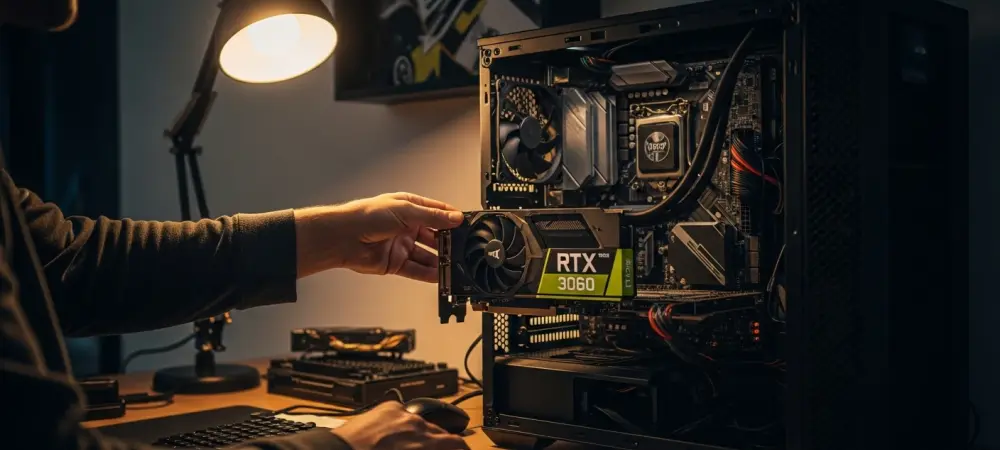
In a development that defies the standard lifecycle of consumer electronics, a five-year-old graphics card is making an unprecedented return to manufacturing lines, driven not by nostalgia but by a global technological crisis. Nvidia’s decision to restart production of the GeForce RTX 3060 has sent ripples through the tech industry, signaling a dramatic shift in the consumer hardware market. This is not merely about resurrecting an old favorite; it is a strategic response to an affordability chasm created by the insatiable appetite of the artificial intelligence sector.
The significance of this revival extends far beyond a single product. It underscores a critical inflection point where the immense resource demands of AI are directly reshaping the landscape for PC gamers and everyday consumers. As next-generation components become astronomically expensive, the RTX 3060 re-emerges as a potential lifeline, offering a brand-new, capable, and reasonably priced option in a market starved for value.
The Ghost in the Machine Why a Five Year Old GPU Might Be 2026s Most Important Card
It is a striking paradox that a GPU whose production originally ceased in 2024 now stands as one of the most talked-about components on the market. The GeForce RTX 3060’s continued dominance in the Steam hardware survey, long after its initial release, provides a clear picture of its enduring appeal. It remains the most popular graphics card among the platform’s millions of users, a testament to its once-unbeatable value proposition.
This widespread adoption was no accident. The RTX 3060 hit a sweet spot, delivering solid 1080p gaming performance at a price point that was accessible to the masses. Its legacy is that of a workhorse GPU that powered a generation of gaming PCs, and that widespread user base represents a massive, ready-made market for its return.
Setting the Stage The Perfect Storm in the Graphics Card Market
The current market for graphics cards is one of extremes. At the high end, the latest RTX 50-series GPUs push the boundaries of performance, offering unprecedented power for enthusiasts and professionals. However, this power comes at a steep cost, with flagship models reaching price points that place them firmly out of reach for the average consumer, creating a significant affordability gap.
This situation is compounded by broader economic pressures. With the high cost of living affecting household budgets, the prospect of spending thousands on a single PC component is untenable for many. The demand for a modern, reliable, and fairly priced GPU has therefore intensified, creating the perfect conditions for a product like the RTX 3060 to make a triumphant return.
The AI Hunger Games How Data Centers are Devouring the GPU Supply Chain
The root of the current market disruption lies in the explosive growth of artificial intelligence. AI data centers across the globe have an almost limitless demand for high-performance computing components, particularly advanced memory modules like GDDR7. This has created a severe supply shortage, as manufacturers allocate their limited production capacity to the more lucrative enterprise sector.
This memory scarcity has a direct and severe ripple effect on the consumer gaming market. The latest RTX 5000-series and AMD GPUs rely on this same advanced memory, and the supply crunch is causing component costs to skyrocket. Reports of a flagship RTX 5090 potentially retailing for as much as $5,000 are a direct consequence of this AI-driven inflation. Herein lies the RTX 3060’s strategic advantage: its reliance on the older, more abundant GDDR6 memory standard insulates it from the worst of the supply crisis, allowing it to be produced and sold at a fraction of the cost.
From Rumor to Reality Analyzing the Evidence and Expert Takes
The initial reports of the RTX 3060’s revival originated from industry insiders with a reliable track record, immediately giving the speculation significant weight. As the AI memory crisis deepened, these rumors solidified into a coherent business strategy, transforming from a possibility into a market reality.
Nvidia’s decision is not an act of charity but a calculated move backed by overwhelming data. The Steam hardware survey provides undeniable proof of a massive, underserved market segment that prioritizes value over peak performance. By reintroducing the RTX 3060, the company can cater to these millions of gamers, maintaining market share and navigating a volatile supply chain that makes producing affordable next-generation cards difficult.
A Gamers Playbook How to Navigate the Shifting GPU Landscape
For consumers planning a PC build or upgrade, the re-release of the RTX 3060 presents a compelling and viable path. It offers the assurance of a new product with a full warranty, a significant advantage over the risks associated with the second-hand market. It stands as a sensible choice for those looking to build a capable gaming system without succumbing to the extreme prices of the latest-generation hardware. The revival of the RTX 3060 was not just a nostalgic nod to the past; it was a market-driven response to the profound and lasting impact of the AI industry on consumer hardware. This event highlighted how component supply chains could reshape product availability for years to come, forcing both manufacturers and consumers to adapt to a new reality where cutting-edge technology came with an unprecedented cost. This has set a precedent, proving that sometimes the solution to a future problem can be found in the successes of the past.