

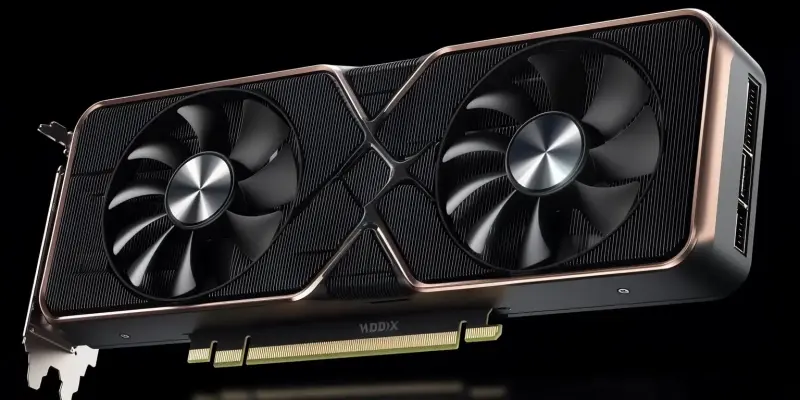
In the high-stakes world of graphics cards, the release of AMD’s upcoming RX 9070 GPUs, part of the RDNA 4 series, has generated substantial buzz and speculation. Enthusiasts and potential buyers eagerly await these next-generation GPUs, but conflicting information and rumors about release dates have created a layer of confusion.
Initial Pre-Order Date Confusion
The initial confusion began when a US retailer, B&H Photo, mentioned January 23 as the pre-order date for the RX 9070. This information quickly turned out to be incorrect when AMD announced the GPUs would actually be available within March, still within the official Q1 2025 release timeframe. Adding to the perplexity, B&H Photo updated the pre-order date to March 23, which falls on a Sunday. Significant sales milestones typically avoid weekends, making the March 23 pre-order date appear more like a placeholder than a confirmed schedule.
Marketing Mishaps Add to the Skepticism
Further complicating matters, a marketing mishap clouded the release timeline. Reports surfaced that AMD ads on January 23 claimed consumers could ‘play now’ with the new RDNA 4 GPUs. These ads appeared in several European countries, lending credence to the theory that AMD had initially planned a big announcement or launch event on January 23 but postponed it for unknown reasons. This only fueled the speculation, with many wondering when the actual release would occur.
Overarching Trends and Opinions
Despite the confusion, a few key trends and opinions have emerged. There is unmistakable anticipation and interest in AMD’s RX 9070 GPUs, as evidenced by the buzz around the expected performance and capabilities of the RDNA 4 series. However, AMD and its associated retailers have faced criticism for their disjointed and confusing rollout and communication strategies. Nevertheless, AMD continues to align with its promised Q1 2025 timeline, which may offer some relief to eager consumers.
The Weight of Expectations
The conflicting dates and mishandled marketing campaigns have undoubtedly clouded the launch timeline for the AMD RX 9070 graphics cards. Nevertheless, interest remains strong. Expectations are high for the performance and capabilities of these GPUs, and the anticipation is only growing as the scheduled release window narrows. Tech enthusiasts are keeping a close eye on further announcements, hoping for a clearer picture soon.
Future Considerations
In the highly competitive graphics card market, AMD’s anticipated release of the RX 9070 GPUs as part of the RDNA 4 series has generated significant excitement and curiosity. These upcoming next-generation GPUs are hotly anticipated by both enthusiasts and potential buyers who are looking forward to enhanced performance improvements and new technological advancements.
While the buzz around these new GPUs is palpable, the excitement is marred by a flurry of conflicting information and rumors regarding their actual release date. Some sources suggest a launch in the coming months, while others hint at delays that could push the debut further out. This uncertainty has created a cloud of confusion among eager fans, making it difficult for them to plan their future purchases or upgrades.
Despite this ambiguity, the anticipation continues to build, with many hoping that the definitive release will bring a significant leap in graphics performance. The community remains on edge, waiting for clear, confirmed information, as the arrival of the RX 9070 series could potentially shake up the market and redefine graphics capabilities for gamers and professionals alike.